



A grassroots musical movement is rewriting the script on mental health and social cohesion across the South West of England. In the coastal towns and rural villages of Devon, a non-auditioned collective known as the La La Choirs is providing more than just entertainment; it is functioning as a critical frontline service for community wellbeing. Founded by Sam Abrahams, a professional musician with a vision for inclusive performance, the group has evolved into a vital support network for hundreds of residents who credit the organisation with saving their lives.
The initiative began with a simple premise: anyone can sing, and everyone should. Abrahams, who transitioned from a career in the commercial music industry to community leadership, recognised a growing void in local social structures. As traditional community hubs like pubs and post offices faced closure across Devon, the need for a centralised, accessible space for human connection became urgent. The result was the formation of several choir branches, spanning from Exeter to Ottery St Mary, Lympstone, and Budleigh Salterton.
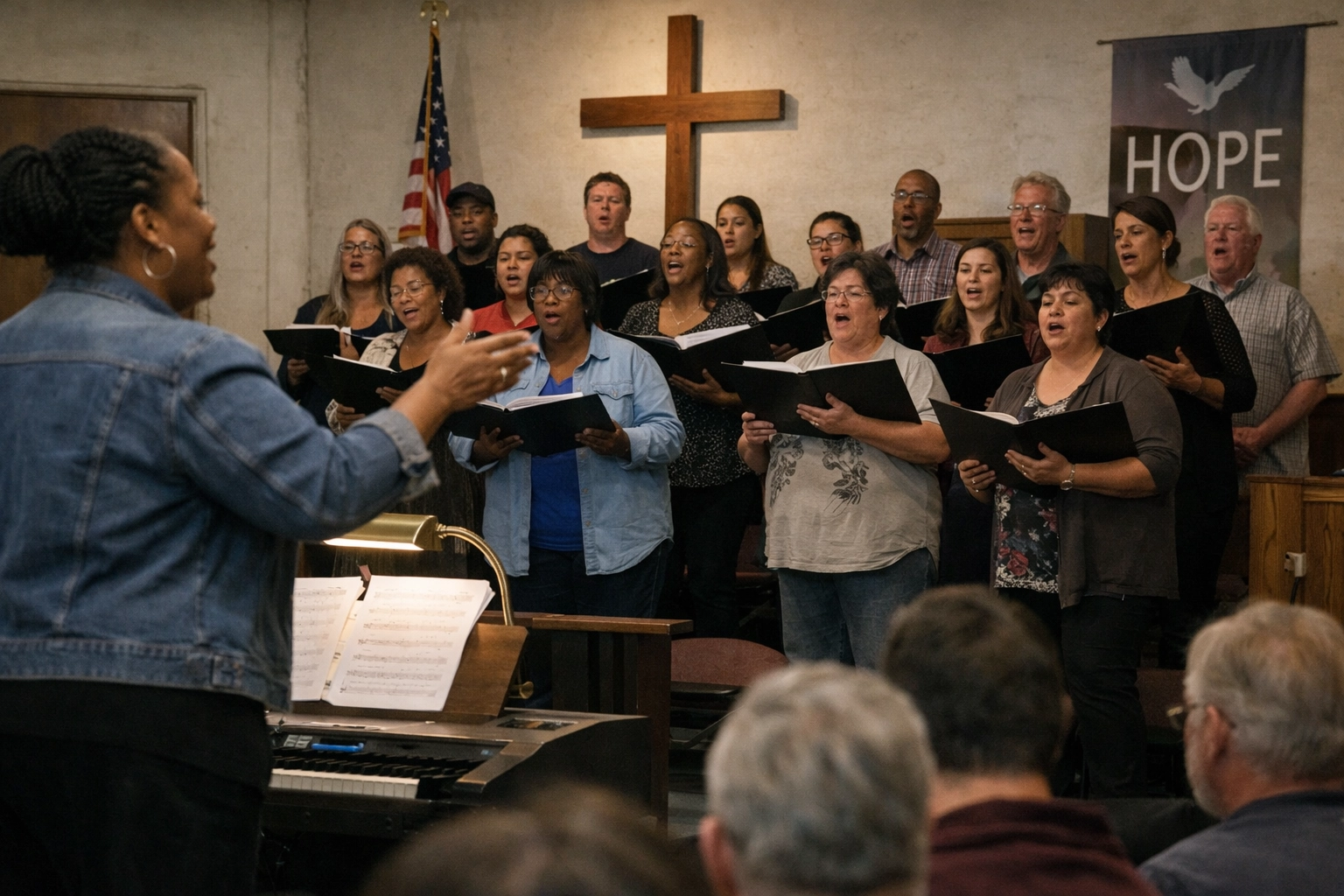
Unlike traditional choral societies that often require rigorous auditions and the ability to read sheet music, this Devon-based movement removed all barriers to entry. This decision proved pivotal. By democratising the act of singing, Abrahams tapped into a demographic that had previously felt excluded from the arts. The choir became a microcosm of the region, bringing together retirees, young professionals, and individuals living with chronic illnesses or disabilities.
The Devon movement transforming lives through song
The growth of the La La Choirs reflects a broader national trend towards "social prescribing," where healthcare professionals refer patients to community activities to improve their health and wellbeing. In Devon, the impact of Sam Abrahams' work is measured not in record sales, but in the personal testimonies of members who have navigated profound personal crises through the power of collective harmony.
For many participants, the weekly rehearsals serve as an anchor in an otherwise turbulent week. The repertoire is diverse, ranging from contemporary pop and soul to musical theatre, ensuring that the sessions remain vibrant and relatable. Abrahams’ leadership style is cited by members as a primary reason for the choir’s success; her focus on "singing for the soul" rather than technical perfection allows individuals to express themselves without the fear of judgement. This psychological safety is the foundation upon which the community is built.
Local authorities have noted the significance of such groups in reducing the burden on primary care services. In rural areas where transport links can be poor and isolation is a frequent challenge, the choir provides a consistent reason for residents to leave their homes and engage with others. The administrative structure of the choir also encourages self-organisation, with members often coordinating lift-shares and social gatherings outside of official rehearsal times. This self-sustaining ecosystem of support is a hallmark of the La La Land philosophy.
The movement’s resilience was most notably tested during the periods of national lockdown. While many community groups folded under the pressure of social distancing, Abrahams transitioned the choir to a digital format almost overnight. Online sessions became a lifeline for those shielding or living alone, proving that the sense of community was not tied to a physical building, but to the shared experience of the music. This adaptability has ensured the choir’s survival and continued expansion in the post-pandemic era.
Breaking isolation in the post-pandemic landscape
Statistics regarding loneliness in the United Kingdom paint a stark picture, particularly in the South West. According to data from the Office for National Statistics, rural communities often report higher levels of "hidden" isolation, where individuals may appear socially integrated but lack meaningful emotional connections. The La La Choirs address this directly by fostering an environment where vulnerability is met with support.
The choir acts as a social leveller. In a single rehearsal room, a former executive might stand alongside a student or a full-time carer. This diversity is intentional. Abrahams has frequently highlighted that the act of harmonising requires participants to listen to one another, creating a literal and metaphorical sense of being in sync with one's neighbours. This collective effort has been shown to break down social barriers and reduce the stigma associated with mental health struggles.
Member stories frequently highlight the choir’s role in navigating grief. For those who have lost partners or family members, the choir provides a structured environment where they can be among people without the pressure to constantly discuss their trauma. The music acts as a bridge back to social life. "It isn't just about the notes," one long-term member remarked during a recent regional gathering. "It's about the fact that when I couldn't find my voice, the person standing next to me carried the tune until I could."
The charitable impact of the group also reinforces its community value. The La La Choirs have raised tens of thousands of pounds for local Devon charities, including Hospiscare and the Devon Air Ambulance. By performing at local festivals and hosting their own gala evenings, the members move from being recipients of community support to active contributors to the region’s welfare. This sense of purpose is a key driver in the "saving" of the community, shifting the narrative from one of struggle to one of collective strength.
The scientific impact of collective choral performance
The benefits of the La La Land movement are supported by a growing body of scientific research into the physiological effects of group singing. Studies conducted by institutions such as University College London and the Royal College of Music have demonstrated that singing in a choir can significantly reduce levels of cortisol, the body’s primary stress hormone. Simultaneously, it triggers the release of endorphins and oxytocin, chemicals associated with bonding and trust.
Participants in Devon frequently report a physical "buzz" following a two-hour rehearsal session. This is not merely anecdotal; it is the result of synchronised breathing and the physical exertion required for vocal projection. For members dealing with respiratory issues or chronic pain, the controlled breathing exercises led by Sam Abrahams provide practical health benefits that complement their medical treatments.
Furthermore, the cognitive demands of learning new arrangements and lyrics serve as a form of mental exercise. This is particularly relevant for the choir's older demographic, as engaging in complex, creative tasks has been linked to a delay in the onset of cognitive decline. The combination of social, physical, and mental stimulation makes the choir a holistic health intervention.
The success of the La La Choirs in Devon serves as a blueprint for other regions across the British Isles. As the UK continues to grapple with a mental health crisis and the fragmentation of local communities, the model established by Sam Abrahams offers a scalable, cost-effective solution. By prioritising human connection through the medium of music, the "La La Land" of Devon has demonstrated that a community that sings together is one that can withstand the most difficult of circumstances.
The story of the choir is far from over. With plans for further regional expansion and continued collaboration with local health boards, the movement is set to remain a cornerstone of Devon life. In an age of digital disconnection, the simple act of standing in a room and raised voices in unison remains one of the most powerful tools for social change. For the people of Devon, the choir did not just provide a hobby; it provided a lifeline.