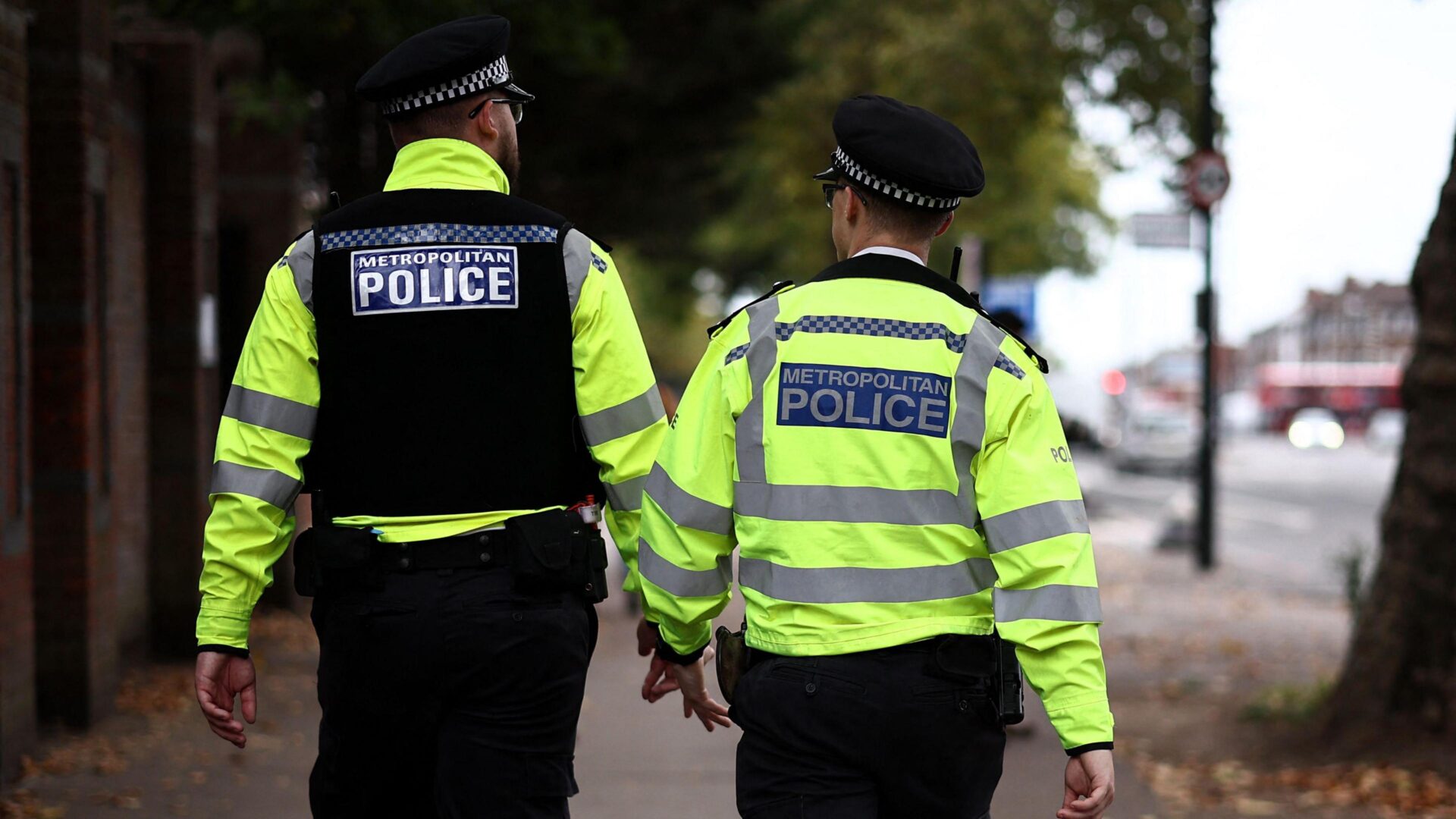
When we think about the police, the first thing that usually comes to mind is safety. We want to believe that the people wearing the uniform are the ones we can turn to in our darkest moments. But recently, a series of revelations has shaken that trust to its core. As part of our commitment to bringing you independent news uk, we’re diving into a story that feels like it’s straight out of a thriller, except it’s very real and happening right on our doorstep. This is the story of how the Metropolitan Police: the UK’s largest police force: found itself in the middle of a vetting scandal that allowed criminals to slip through the cracks.
It’s one of those untold stories that makes you stop and wonder how things could have gone so wrong. For years, the Met has been under immense pressure to grow, to put more boots on the ground, and to meet ambitious recruitment targets. But in the rush to fill uniforms, it seems the very standards meant to protect the public were tossed aside.
The Pressure to Recruit and the Cost of Speed
The root of this scandal lies in a numbers game. Back in the late 2010s, the government set a massive goal: to recruit 20,000 new police officers across the country. For the Metropolitan Police, this meant a frantic hiring spree. While having more officers sounds like a win for community safety, the reality was much more complicated. To meet these targets, the force began to prioritise speed over safety. Between 2018 and 2023, it’s estimated that the Met hired more than 5,000 officers and staff without the required background checks being completed properly.
Even more staggering is the fact that for a further 17,000 employees, the force couldn’t even confirm if proper pre-employment checks had ever taken place. When you’re dealing with a role that grants someone the power to arrest, to carry weapons, and to access sensitive information, skipping the “background check” stage isn’t just a clerical error: it’s a massive institutional failure. Interior ministers have described this as a dereliction of duty, and it’s hard to disagree. By abandoning the standard vetting procedures to satisfy a political timeline, the gates were left wide open.
This isn’t just about paperwork. When vetting standards are relaxed, the safety of the public is put at risk. We’ve seen similar patterns in other areas of public life, where systemic failures lead to long-term harm, such as the rising tensions in UK communities we see today. When the institutions meant to protect us fail to police themselves, the ripple effect is felt by everyone.
Unmasking the Criminals Within the Ranks
The most shocking part of this untold story is the calibre of people who managed to get: and keep: a job within the Met. Because the vetting process was so flawed, individuals with serious criminal backgrounds were able to wear the badge. Reports have confirmed that 161 officers with criminal convictions remained in service. We aren’t talking about minor teenage indiscretions here; we’re talking about sex offenders and people with records of serious violence.
Take the case of PC Richard Fieldhouse, who served for three years despite having been previously dismissed from another force for dishonesty. Or even more chillingly, the cases of David Carrick and Cliff Mitchell. Carrick, a serial rapist, was able to navigate the system for years. Mitchell was allowed to join as recently as 2020, despite previous allegations of horrific crimes, because a diversity-focused vetting panel reportedly overturned an initial rejection. It’s a heartbreaking irony that in trying to meet modern recruitment goals, the force allowed predators to hide in plain sight.
These failures don’t just affect the victims of these specific individuals; they stain the reputation of every honest officer on the force. When the public hears that 131 officers and staff were found to have committed crimes or misconduct after improper vetting, that sense of security evaporates. It brings to mind other difficult cases of institutional oversight, like the ongoing issues surrounding grooming gangs still active in various parts of the country. In both instances, there’s a feeling that the systems designed to catch “the bad guys” were looking the other way.
The 2023 review by Baroness Louise Casey put words to what many had feared, labelling the Met as institutionally racist, misogynistic, and homophobic. The vetting scandal is a symptom of this deeper rot. If you don’t care enough to check who you’re hiring, you can’t be surprised when the culture of the organisation becomes toxic.
A Long Road to Institutional Recovery
So, where does the Met go from here? It’s clear that the old way of doing things: checking boxes just to hit a quota: has to end. The force has launched what they’re calling “Operation Assure.” This is a massive programme designed to review every serving officer who has “adverse information” in their file. It’s essentially a retroactive vetting process to clean house. Over the last 18 months, this initiative has already led to nearly 100 officers being sacked or resigning.
There is also a significant legal change that happened in early 2026. For a long time, the Met struggled to fire people based on allegations alone; they often needed a proven conviction or a very high bar of evidence which was hard to meet in internal disciplinary hearings. However, a new legal ruling now allows vetting decisions to take all misconduct allegations into account. This gives the force much more power to remove people who are clearly unfit for duty, even if they haven’t yet been convicted in a criminal court.
Rebuilding trust is going to take a lot more than just firing the worst offenders, though. It’s about a complete shift in how the police view their responsibility to the public. For those of us looking for independent news uk, stories like this serve as a reminder that transparency is the only way forward. We need to know that when we call for help, the person who shows up has been thoroughly vetted and shares the values of the community they serve.
The vetting scandal is a dark chapter for the Metropolitan Police, one that highlights the dangers of prioritising politics and numbers over people and safety. It’s a story of institutional failure on a grand scale, but the current efforts to rectify these mistakes offer a glimmer of hope. The road to recovery is long, and for the families and victims affected by the actions of unfit officers, justice and reform cannot come soon enough.
The Metropolitan Police now faces the monumental task of proving it can be the world-class service Londoners deserve. By tightening vetting procedures, empowering leaders to remove problematic staff, and acknowledging the depth of past failures, the force is beginning the slow process of reform. Whether these changes will be enough to restore public confidence remains to be seen, but the spotlight remains firmly on those tasked with keeping the peace.