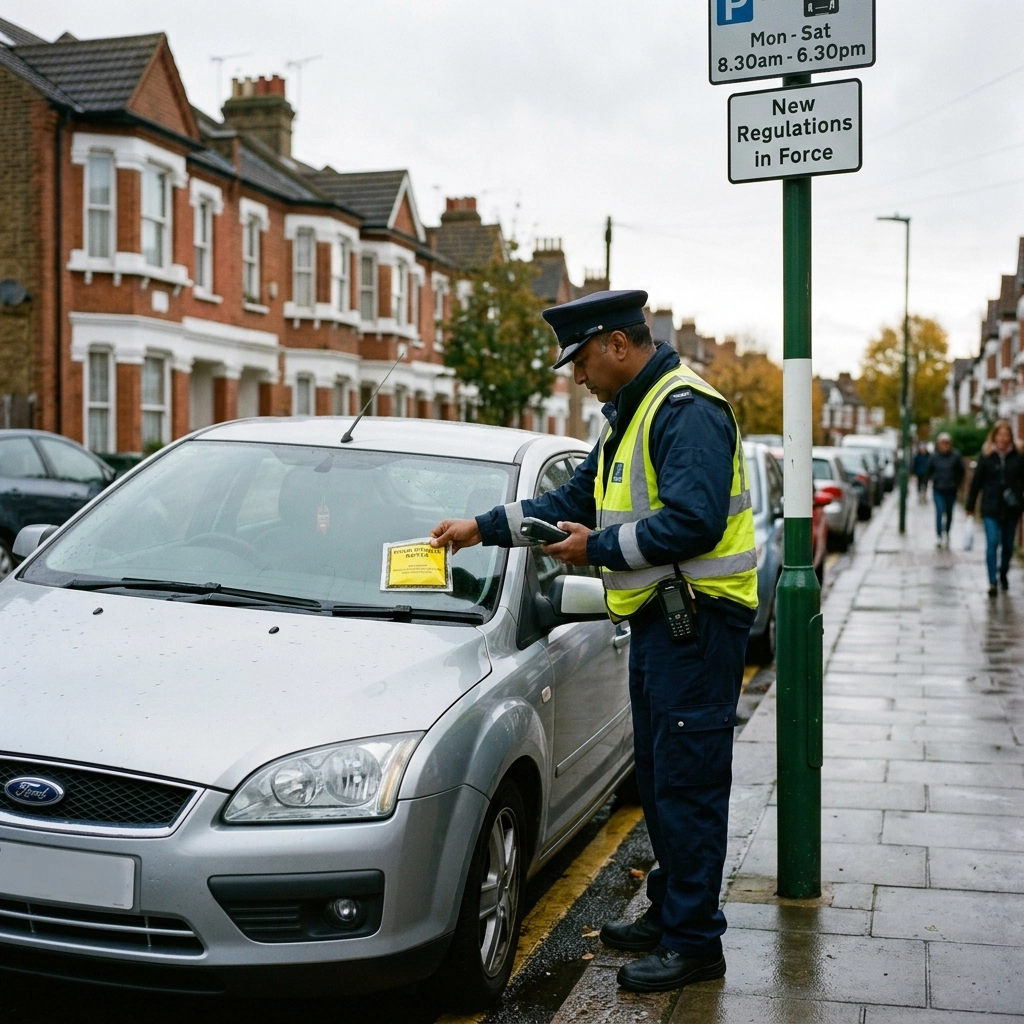
Today marks a significant shift in how millions of motorists across England interact with urban infrastructure. As of 2nd April 2026, the National Parking Platform (NPP) has officially become a mandatory requirement for all local councils. This legislative change is designed to eliminate the long-standing frustration of managing dozens of different mobile applications just to secure a parking space.
For years, drivers have complained about the fragmented nature of parking payments. Depending on which borough or city you visited, you might have been forced to download RingGo, JustPark, PayByPhone, or various other proprietary systems. Under the new law, this patchwork system is being replaced by a streamlined, open-data approach that prioritises the user experience and simplifies the payment process for everyone.
The move is part of a broader government initiative to modernise transport and reduce the friction associated with local travel. By creating a unified digital backbone, the government aims to make parking as seamless as tapping a contactless card on a bus or tube station. The rollout is expected to affect every council-operated car park and on-street parking bay from Cornwall to Cumbria.
The End of App Clutter for Motorists
The primary benefit of the National Parking Platform is the introduction of interoperability. In the past, a driver moving between Manchester and Birmingham might have needed three different apps to pay for parking throughout their journey. The new law requires councils to connect their parking assets to the NPP, which acts as a central hub. This allows any registered parking app to communicate with any council’s payment system.
Essentially, this means you can choose one preferred app and use it everywhere in the country. If you prefer the interface of one specific provider, you are no longer restricted by geographic boundaries. This competition is expected to drive better service and lower transaction fees, as providers must now compete for users based on the quality of their software rather than exclusive contracts with local authorities.
Furthermore, the new law addresses the "digital divide" by ensuring that simplified payment methods do not exclude those who are less tech-savvy. While the focus is heavily on digital integration, the mandate includes provisions for councils to maintain accessible payment options. The goal is to make the process quicker, reducing the time vehicles spend idling while drivers navigate complex signage and registration screens, which in turn provides a minor but welcome boost to local air quality.
New Restrictions and Standardised Enforcement
Accompanying the shift to the National Parking Platform is a suite of updated parking regulations that bring much-needed clarity to enforcement. One of the most significant changes involves the standardisation of pavement parking rules. Following successful implementations in Scotland, councils across England are now empowered with clearer frameworks to issue fines for vehicles blocking pedestrian walkways.
The new regulations also introduce stricter guidelines for parking near junctions. In high-density areas such as London, Birmingham, and Manchester, the traditional ten-metre rule is being scrutinised with more rigour. There is a specific focus on larger vehicles, such as SUVs and delivery vans, which can significantly obscure sightlines for other road users. By standardising how these infractions are recorded through the NPP’s data stream, the government hopes to reduce accidents involving cyclists and pedestrians.
Automatic Number Plate Recognition (ANPR) technology is also seeing a wider, more regulated expansion. The law now mandates that ANPR systems used in council-run facilities must be fully integrated with the national platform. This ensures that "grace periods" are applied consistently across the country. Drivers will no longer have to guess whether they have five or ten minutes to return to their vehicle before a fine is generated. These standardised rules aim to make parking enforcement feel less like a "gotcha" game and more like a fair service.
Electric vehicle (EV) drivers will also notice changes starting today. The new law requires a specific percentage of council parking bays to be prioritised for EVs, often integrated with charging infrastructure. Parking a petrol or diesel vehicle in these designated bays will now result in a standardised fine across all English councils. This move is intended to support the transition to cleaner transport by ensuring that those who have invested in electric cars have reliable access to charging points without them being occupied by non-electric vehicles.
A Data-Driven Future for Urban Mobility
Beyond the immediate convenience for drivers, the National Parking Platform provides local authorities with unprecedented levels of data. By having a single, unified view of parking trends, councils can better manage traffic flow and urban planning. This data-driven approach allows for dynamic adjustments, such as changing the availability of loading bays or adjusting prices based on real-time demand to reduce congestion in city centres.
The integration of parking data into the wider transport network is a key pillar of the government’s long-term strategy. In the future, this system could allow for "multi-modal" journey planning, where a driver can book a parking space and a connecting bus or train ticket in a single transaction. By removing the silos between different transport modes, the NPP serves as a foundational step toward a more integrated national infrastructure.
Privacy and data security have been central themes during the development of this law. The NPP is designed with a "privacy by design" ethos, ensuring that while payment and location data are processed to facilitate parking, personal information is protected under strict UK GDPR standards. Local authorities will have access to the data they need for enforcement and planning, but the system is built to prevent the unnecessary tracking of individual motorists across the country.
As councils begin to see the benefits of reduced administrative costs, it is hoped that some of these savings will be reinvested into maintaining local road networks. The previous system of managing individual contracts with various app providers was often expensive and inefficient. By moving to a national standard, councils can benefit from economies of scale and a more competitive marketplace for parking services.
The implementation of the National Parking Platform marks a turning point for English motorists. While any change to road laws requires an adjustment period, the move toward a simplified, unified, and fairer parking system is a welcome development for anyone who has ever struggled with a confusing parking meter or a malfunctioning app. As the system bed-downs over the coming weeks, the days of the "app-clogged" smartphone are finally coming to an end.
Starting today, the focus remains on ensuring a smooth transition. Drivers are encouraged to check their preferred parking apps to see the new national coverage in action. Local councils will be updating signage and providing information to help residents and visitors navigate the new system. Overall, the National Parking Law is a pragmatic step toward making English roads and city centres more accessible and less stressful for everyone.