



The United Kingdom’s National Health Service reached a critical threshold during the COVID-19 pandemic, narrowly avoiding a total systemic collapse that would have left millions without any form of medical recourse.
A comprehensive public inquiry led by retired senior judge Heather Hallett has revealed that the "Stay Home, Protect the NHS, Save Lives" mantra, while designed to manage capacity, inadvertently triggered a secondary health crisis.
The inquiry’s third report highlights how the healthcare system was pushed beyond its structural limits, surviving only through the "extraordinary efforts" of frontline staff who worked under conditions of unprecedented duress.
Despite the gravity of these findings, the systemic fractures identified in the 387-page document have largely been overlooked by mainstream headlines, which have shifted focus to immediate political cycles.
The report provides a forensic examination of a system that was under-resourced and over-stretched long before the first case of the virus reached British shores.
It paints a picture of a nation that was unprepared for the scale of the emergency, leading to decisions that prioritised the survival of the institution over the immediate needs of individual patients.
The Messaging Paradox: When Protecting the NHS Cost Lives
One of the most significant findings of the Hallett inquiry is the psychological impact of government communication strategies on public health seeking behaviour.
The "Stay Home, Protect the NHS, Save Lives" campaign was highly effective in its reach, but it created an unintended barrier between patients and the emergency care they required.
The inquiry found that the messaging sent a powerful signal to the public that the NHS was effectively "closed" to non-COVID concerns.
As a result, thousands of individuals suffering from life-threatening conditions, including heart attacks and strokes, delayed seeking medical attention.
The fear of "burdening" the system led to a surge in deaths at home and a significant increase in the severity of conditions when patients eventually did present to hospitals.
In many instances, the delay in seeking care meant that diagnoses were made at a stage where medical intervention was no longer viable or effective.
The report highlights cases where cancer screenings were paused or avoided, leading to late-stage detections that have fundamentally altered the long-term survival rates for thousands of British citizens.
Colorectal cancer screenings were particularly affected, with the suspension of regular programmes resulting in a backlog that took years to address.
For many, the "protection" of the NHS came at the direct cost of their own health outcomes, creating a hidden toll of the pandemic that is only now being fully quantified.
The inquiry suggests that the government failed to anticipate how a fearful population would interpret instructions to stay away from public services.
This messaging paradox highlights a fundamental flaw in emergency planning: the failure to maintain a "dual-track" system that could handle a pandemic while simultaneously providing routine, life-saving care.
Structural Fractures: The Reality of an Overwhelmed System
The physical and logistical reality of the NHS during the peak of the pandemic was one of near-total paralysis in several key sectors.
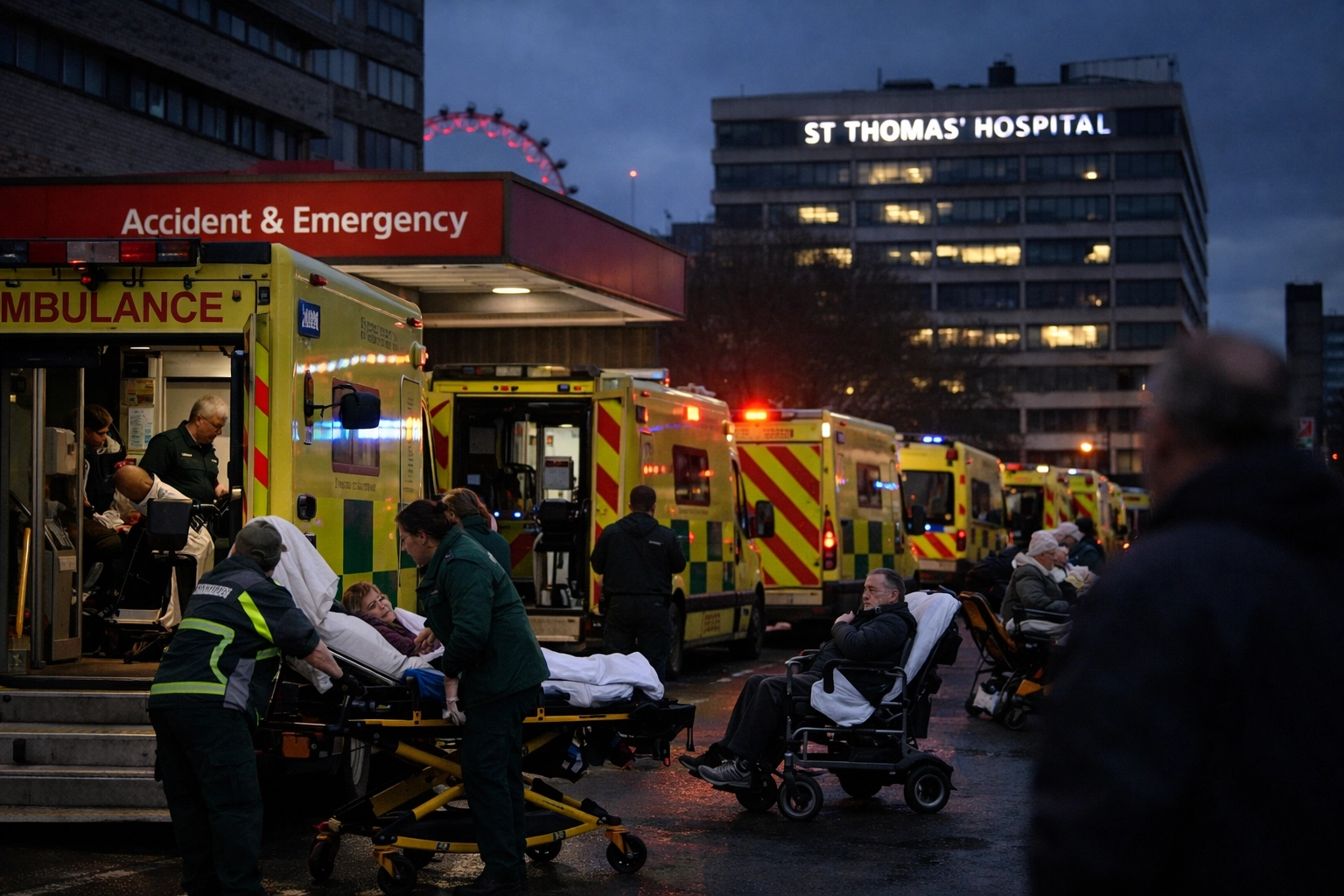
Ambulance services became a visible flashpoint for the crisis, with waiting times for critical cases reaching levels that were previously considered impossible in a developed nation.
Crews were frequently documented waiting for several hours outside hospital emergency departments, unable to discharge patients because there were no beds available inside the wards.
This "queueing" of ambulances effectively removed vital emergency resources from the streets, creating a dangerous cycle where new calls could not be answered.
Staffing levels, which the inquiry noted were already precarious pre-2020, collapsed under the weight of infection rates and the requirement for self-isolation.
The redeployment of specialist staff to intensive care units meant that other departments were left with skeleton crews, often lacking the specific expertise required for complex care.
This "dilution of care" was a widespread phenomenon, where the ratio of patients to qualified nurses and doctors reached levels that compromised patient safety.
The inquiry also noted that elective surgeries: procedures that are essential but not immediately life-threatening: were suspended almost entirely for months.
Millions of people were left on waiting lists, with their conditions deteriorating as they waited for operations that were repeatedly postponed.
The social impact of the system’s near-collapse was equally profound, with strict visiting restrictions preventing families from supporting their loved ones.
The inquiry found that many patients died in isolation, without the comfort of family presence, a policy that has left a lasting psychological scar on the bereaved.
Vulnerable groups, including those with dementia and learning disabilities, were particularly disadvantaged as they lost the advocacy and support systems they relied upon.
Maternity services were also heavily impacted, with partners often excluded from significant milestones, leading to increased trauma for new mothers and families.
A Blueprint for Survival: Lessons from the Brink of Collapse
Baroness Hallett’s report concludes with 10 urgent recommendations aimed at ensuring the NHS never reaches such a precarious state again.
The primary focus is on increasing the inherent capacity of emergency care, ensuring that there is a "buffer" of resources that can be deployed during a national crisis.
This includes a call for a radical overhaul of infection prevention protocols to prevent hospitals from becoming hubs of transmission during future outbreaks.
The report emphasizes that the NHS cannot rely on the "extraordinary efforts" of its staff as a permanent substitute for adequate funding and structural resilience.
The mental health of the healthcare workforce is highlighted as a critical concern, with the inquiry noting high levels of burnout and post-traumatic stress among those who worked on the front line.
Without a robust plan to retain and support these professionals, the inquiry warns that the system remains vulnerable to future shocks.
The recommendations also push for a more sophisticated approach to public communication, one that balances the need for public safety measures with the necessity of maintaining access to routine care.
Future messaging must be nuanced enough to ensure that those with urgent medical needs do not feel they are "bothering" a system that is designed to help them.
The inquiry also suggests that the UK must improve its data-sharing capabilities between different branches of the healthcare system to allow for real-time monitoring of capacity and risk.
While the NHS narrowly avoided a total collapse in 2020 and 2021, the report serves as a stark reminder that the system remains on a knife-edge.
The findings suggest that the "silent warning" of the COVID-19 Inquiry should not be ignored by the current or future governments.
As the nation moves further away from the immediate shadow of the pandemic, the systemic issues revealed by the report continue to persist in the form of record waiting lists and staffing shortages.
The work of the inquiry provides a blueprint for reform, but the political will to implement these changes remains the final, and most significant, hurdle.
The legacy of the pandemic, according to the inquiry, should be a renewed commitment to a healthcare system that is built to withstand the unexpected, rather than one that merely survives it.