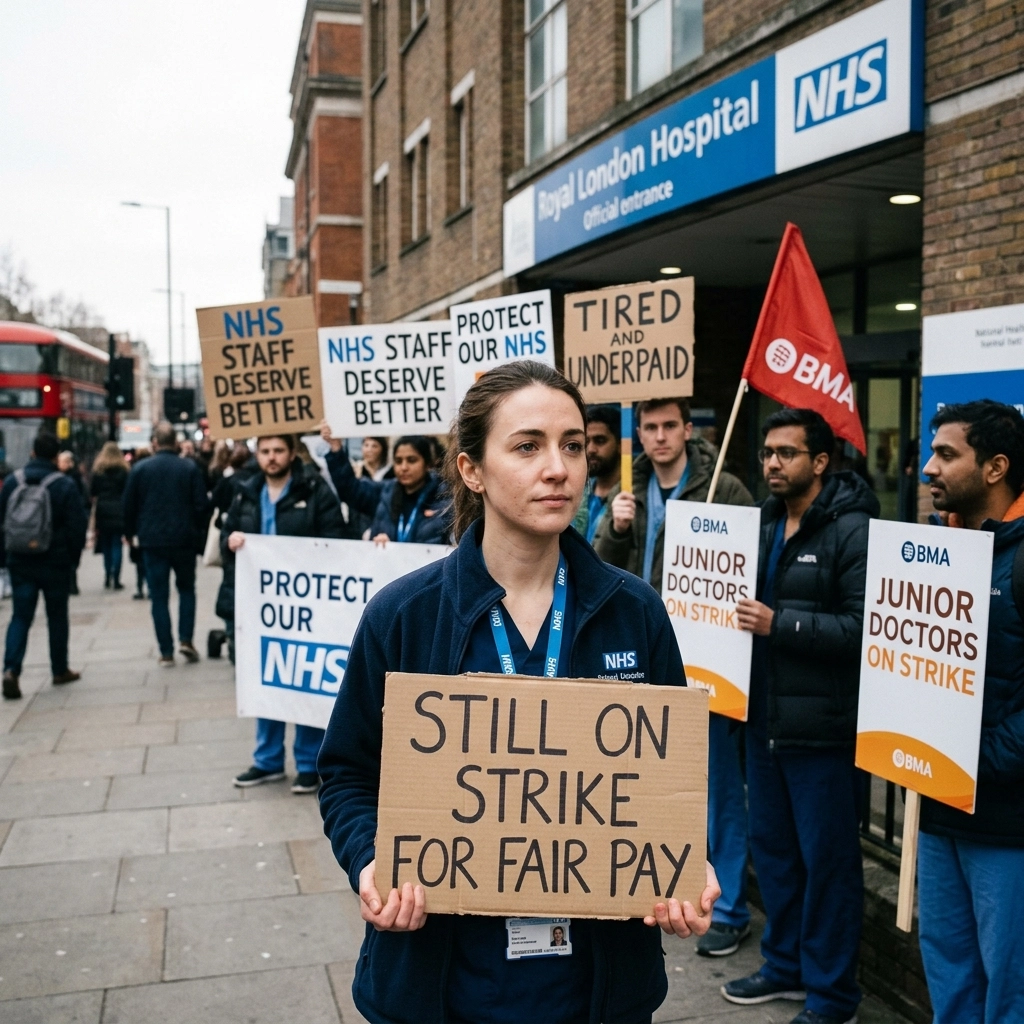
It’s another Tuesday morning in April 2026, and if you’ve been anywhere near a local hospital lately, you’ve probably noticed the atmosphere is a little different. The usual hustle of the morning shift change has been replaced by the familiar sight of hi-vis vests, hand-drawn cardboard signs, and the steady steam rising from dozens of takeaway coffee cups. Our resident doctors are back on the picket lines, marking the start of a week-long walkout that has left many wondering: how on earth did we get here again?
This isn’t just a one-off protest or a brief moment of frustration. We are currently looking at the 15th strike in just three years. For those keeping score at home, that is 59 days of industrial action since this whole dispute kicked off in early 2023. It’s an unprecedented situation. Before 2016, we hadn’t seen a national strike of this scale from doctors since the mid-seventies. Now, it feels like a regular fixture of the British calendar. At NowPWR, we’re all about those untold stories and providing independent news UK readers can actually relate to, so let’s dive into what’s really happening behind the hospital doors.
The mood on the ground is a mix of exhaustion and absolute resolve. If you talk to the doctors standing out in the biting spring air, they’ll tell you they don’t want to be there. They’d much rather be on the wards, helping patients and doing the jobs they trained for years to do. But they feel like they’ve been backed into a corner. It’s a tension that has been simmering for over a decade, and in 2026, it has finally reached a boiling point that shows no sign of cooling down.
The Great Pay Gap and the Cost of Living
The heart of this entire dispute is, predictably, money. But it’s not just about a simple pay rise; it’s about what the British Medical Association (BMA) calls "pay restoration." To understand why the doctors are so dug in, we have to look back to 2008. The BMA argues that since then, the value of a resident doctor's salary has been eroded so significantly by inflation that they are essentially working for a quarter less than their predecessors did eighteen years ago. To fix this, they are demanding a 26% pay increase.
Now, that 26% figure sounds massive when you first hear it, especially in the context of the current economy. But for the doctors on the line, it’s simply a matter of getting back to where they were. The government's latest offer of 3.5% was quickly rejected, with union leaders calling it a "real terms pay cut." When you factor in the massive inflation spikes we’ve seen recently: exacerbated significantly by the ongoing economic ripples of the Iran war: that 3.5% barely touches the sides of the rising cost of living in the UK.
Everything has become more expensive. From energy bills to the cost of a mortgage, the financial pressure on young professionals is immense. Resident doctors, many of whom are saddled with tens of thousands of pounds in student debt, are finding that their pay cheques just aren’t stretching far enough. They see colleagues moving abroad to Australia or the UAE for double the pay and half the stress, and they’re asking themselves why they’re staying. It’s a classic case of wanting to feel valued by the system they support every single day.
The "independent news UK" perspective often gets lost in the shouting matches between politicians and union bosses. But when you look at the raw numbers, the gap is hard to ignore. The government argues that meeting the 26% demand would be inflationary and unaffordable for the taxpayer. The doctors argue that losing their expertise to other countries is even more expensive in the long run. It’s a stalemate that has lasted three years, and while the headlines focus on the numbers, the people behind those numbers are getting more frustrated by the day.
The Training Crisis No One Is Talking About
While pay is the headline-grabber, there’s another layer to this story that is just as critical: the "absurd problem" of training spots. Imagine working your heart out through medical school, finishing your foundation years, and then being told there isn’t a spot for you to specialise. This is the reality for tens of thousands of resident doctors in 2026.
The NHS is currently facing a bizarre bottleneck. We have a massive shortage of senior doctors and consultants, yet we are turning away qualified resident doctors from available training positions. The BMA has described this as a systemic failure. The government’s response was to promise 4,000 new specialty training jobs by 2028, but the doctors on the picket line say that’s far too little and far too late. They’re dealing with the reality of today, where over 10,000 doctors are caught in a limbo state, unable to progress their careers because the system doesn't have the capacity to train them.
This lack of career progression contributes heavily to the burnout we’re seeing across the board. When you’re stuck in a junior role longer than you should be, doing more shifts for less pay, the mental toll is heavy. It’s one of those untold stories that doesn't always make the evening news. It’s not just about the money in the bank; it’s about the future of the profession. Doctors want to become surgeons, GPs, and cardiologists. When the path to those roles is blocked by administrative hurdles and a lack of funding, the motivation to stay in the NHS starts to crumble.
This training crisis also impacts patient care. If we don’t have enough doctors moving through the pipeline to become specialists, the waiting lists for things like ultrasounds and elective surgeries will only continue to grow. It’s a vicious cycle. More strikes lead to more cancelled appointments, which adds more pressure to an already overstretched workforce, which then leads to more frustration and… you guessed it, more strikes. Breaking this cycle requires more than just a one-off pay deal; it requires a complete overhaul of how we manage medical careers in this country.
Finding a Way Forward in a Stalled System
So, where do we go from here? The latest polling shows a fascinating divide. While public support for the strikes has dipped to around 30%: largely due to the sheer exhaustion of three years of disrupted service: the resolve among the doctors themselves is higher than ever. An internal poll taken just days before this April walkout showed that 83% of resident doctors supported continuing the action. That is a massive mandate, and it shows that the BMA isn’t going to back down easily.
The government is in a tough spot, too. With a general sense of "strike fatigue" settling over the country, they are under pressure to resolve the situation without looking like they’ve "buckled." But the reality is that the NHS cannot function without these doctors. Every day of a strike costs the treasury millions in lost productivity and emergency cover. The "historic deal" the government previously proposed was rejected because it didn’t address the core issue of pay restoration. To the doctors, "historic" just meant "not enough."
For the rest of us, it’s a time of uncertainty. We all rely on the NHS, and seeing it in this state of constant flux is worrying. But understanding the "why" behind the walkouts is the first step toward a solution. It’s about more than just a percentage on a contract; it’s about the sustainability of our healthcare system. Can we afford to pay doctors more? Perhaps the better question is: can we afford not to?
As we move through the rest of 2026, the pressure will only mount. With local elections on the horizon and the economy still feeling the pinch, the NHS remains the biggest political football in the game. But for the person standing on the picket line with a cold coffee and a "Save Our NHS" sign, it’s not about politics. It’s about being able to afford a home, being able to progress in their career, and feeling like the years of sacrifice they put into their education actually meant something to the country they serve. These are the untold stories of the 2026 strikes, and they’re the ones that will ultimately decide the future of our healthcare.