





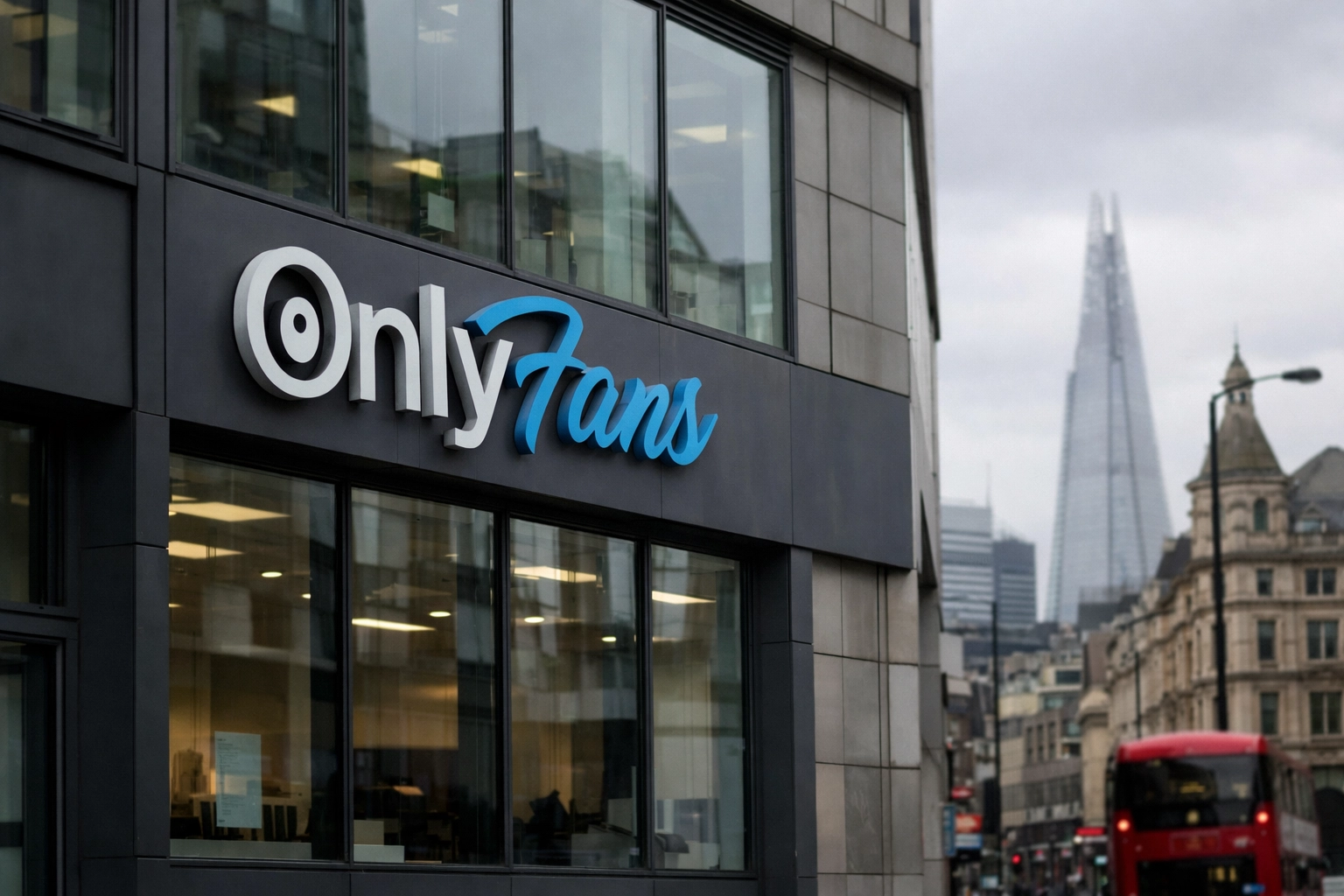
Leonid Radvinsky, the billionaire owner of the content subscription giant OnlyFans, has died at the age of 43. The London-based company confirmed his passing on Monday, stating that the Ukrainian-American entrepreneur died following a private battle with cancer. His death marks the conclusion of a transformative era for the creator economy, a sector he helped legitimise and scale into a multi-billion-pound industry.
Radvinsky, who acquired the platform in 2018, was a central figure in the shift towards direct-to-consumer digital content. Under his ownership, OnlyFans evolved from a niche site into a household name, fundamentally changing how influencers, artists, and adult performers monetise their work. His passing comes at a time when the platform has reached record user numbers and financial heights, leaving a significant void in the leadership of one of the internet’s most influential and controversial companies.
The news has sent ripples through the technology and entertainment sectors. Known for maintaining a strictly low profile, Radvinsky rarely gave interviews, preferring to operate from the shadows while his platform occupied the centre of global cultural conversations. His death at 43 is being treated as a major loss for the firm, which now faces a period of transition as it navigates the competitive landscape of 2026.
Strategic acquisition and global scaling
When Leonid Radvinsky purchased OnlyFans from its founders, the Stokely family, in 2018, few could have predicted the scale of the growth that followed. At the time, the site was a growing but relatively small operation based in Essex. Radvinsky, an experienced veteran of the adult industry and e-commerce, saw the potential in a model that removed the middleman, allowing creators to keep 80 per cent of their earnings.
This model proved to be revolutionary. By the time of his death, OnlyFans had paid out more than £15 billion to its creators globally. The platform's growth was supercharged by the global lockdowns of 2020 and 2021, during which millions of people turned to the site either as a source of income or as a primary form of entertainment. It was Radvinsky’s technical infrastructure and business strategy that allowed the platform to handle this unprecedented surge in traffic without collapsing under the weight of its own success.
Beyond the adult industry, Radvinsky pushed for the diversification of content on the platform. He oversaw the introduction of OnlyFans TV (OFTV), a safe-for-work streaming app designed to showcase chefs, fitness instructors, and musicians. This was a clear attempt to bring the platform into the mainstream and reduce the stigma often associated with its name. Despite these efforts, the core of the business remained rooted in adult content, a fact that Radvinsky defended as a matter of creator freedom and safety.
The financial performance under his leadership was nothing short of extraordinary. Recent filings indicated that OnlyFans was generating annual profits in excess of £400 million, with Radvinsky himself receiving hundreds of millions in dividends. His ability to maintain a lean corporate structure while managing a massive global user base was often cited by analysts as a masterclass in modern tech management. He transformed a simple subscription tool into a cultural phenomenon that challenged the traditional gatekeepers of the media industry.
A life away from the digital spotlight
Despite being the "King of OnlyFans," Leonid Radvinsky was famously reclusive. Born in Ukraine before moving to the United States as a child, he spent much of his adult life in Florida, yet his business interests were firmly anchored in London. He was often described by colleagues as a "tech visionary" and a "data-obsessed" programmer who preferred coding to corporate networking.
His background was not without controversy. Before his success with OnlyFans, Radvinsky was involved in various early-internet ventures, some of which drew legal scrutiny. However, he successfully pivoted his career to become one of the most successful tech entrepreneurs of the 21st century. Those who worked closely with him describe a man who was deeply committed to the concept of the "creator economy" long before it became a buzzword in Silicon Valley.
Radvinsky's personal life remained almost entirely private. His battle with cancer was not known to the public or the wider tech community until the announcement of his death. This desire for privacy was reflected in the way OnlyFans operated; the company maintained a relatively small physical footprint despite its massive digital presence. Radvinsky believed that the platform should be the star, not the executives behind it.
His philanthropic efforts were also conducted with little fanfare. In recent years, following the invasion of Ukraine, Radvinsky reportedly donated millions of pounds in cryptocurrency to relief efforts in his home country. These donations were often made through OnlyFans or personal channels without the typical press releases associated with billionaire charity. For Radvinsky, the focus remained on the utility of technology: whether it was providing an income for creators or delivering aid to a war zone.
The future of subscription-based platforms
The death of Leonid Radvinsky raises immediate questions about the future direction of OnlyFans. While the company has a seasoned management team in place, Radvinsky was the sole shareholder and the ultimate decision-maker for the firm’s long-term strategy. His vision for a decentralised, creator-led internet was the driving force behind the platform's most significant pivots, including the controversial and ultimately aborted attempt to ban sexually explicit content in 2021.
Industry analysts suggest that the company may now be a target for acquisition or could finally pursue an initial public offering (IPO). Radvinsky had previously resisted taking the company public, citing the need to protect the platform's unique content policies from the pressures of conservative institutional investors. Without his firm hand at the helm, the pressure to "clean up" the platform further for the sake of banking relationships and advertising revenue may increase.
The landscape of the creator economy in 2026 is vastly different from when Radvinsky first took over. Competition from platforms like Fansly, and the integration of subscription models into mainstream social media apps like X (formerly Twitter) and Instagram, has made the market more crowded. OnlyFans remains the dominant player, but it must now navigate this competitive environment without its primary architect.
Moreover, the regulatory environment is tightening. New laws in the UK and the EU regarding online safety and age verification present ongoing challenges for platforms hosting adult content. Radvinsky had been a vocal proponent of using technology to solve these regulatory hurdles, investing heavily in biometric verification and AI moderation. The legacy he leaves behind is a platform that is more technologically advanced and financially successful than its critics ever thought possible.
As the tech world mourns his passing, the focus turns to the millions of creators who rely on OnlyFans for their livelihood. For them, Radvinsky was not just a billionaire owner, but the man who provided the tools for their financial independence. The transition period following his death will be watched closely by creators and competitors alike, as OnlyFans enters a new chapter without its most influential figure. The company has stated that operations will continue as normal, but the loss of Radvinsky’s strategic oversight will undoubtedly be felt across the entire digital landscape.