It’s easy to feel a bit disconnected when we hear news about conflicts in far-off places. We see the headlines, watch the grainy footage on the evening news, and then get back to making tea or worrying about the school run. But every so often, a global event happens that ripples across the oceans and lands right on your kitchen table. That is exactly what’s happening right now with the escalating situation in the Red Sea.
If you’ve noticed the price of your favourite coffee brand creeping up, or you’re bracing yourself for another uncomfortable look at your energy bill, you’re already feeling the edges of this crisis. Iran’s allies, specifically the Houthi rebels, have been making moves that could essentially throttle some of the world’s most important trade routes. It isn’t just a "foreign policy" issue anymore; it’s a "my bank account" issue. At NowPWR, we’re all about bringing you independent news UK readers can actually use, focusing on the untold stories that the mainstream might gloss over until it’s too late.
The Red Sea is effectively the world’s most important shortcut. It’s the gateway to the Suez Canal, which handles about 12% of global trade. When things go wrong there, they go wrong everywhere. We are currently looking at a scenario where a second major sea route: the Strait of Hormuz: could be targeted next. If that happens, we aren’t just looking at delays; we are looking at a fundamental shift in how the global economy breathes.
The Bottleneck in the Blue
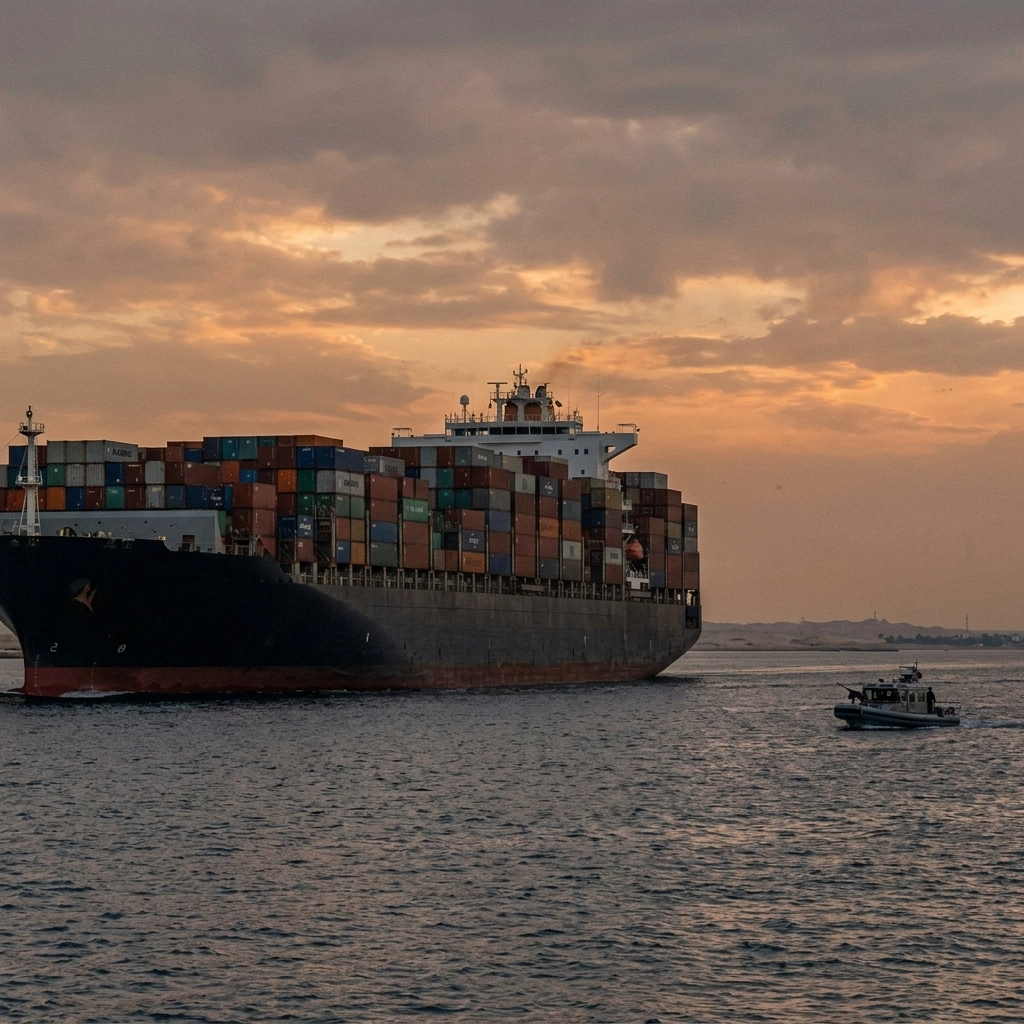
To understand why this matters to your wallet, we have to look at the sheer scale of the disruption. When cargo ships can’t safely pass through the Red Sea, they have to take the long way round. Instead of nipping through the Suez Canal, they are forced to go all the way around the Cape of Good Hope at the tip of Africa. This isn’t a small detour. It adds between 3,000 and 6,000 extra miles to the journey, which translates to an extra 10 to 14 days at sea.
Think about the fuel costs alone. A massive container ship isn't exactly a Prius; it burns through an incredible amount of fuel every single hour. When you add two weeks to the journey, you’re adding millions of pounds in costs for a single vessel. On top of that, insurance premiums for ships entering these zones have gone through the roof. Some companies are seeing their insurance costs jump by ten times what they were a year ago.
These costs don't just disappear into the ether. Shipping companies aren't charities; they pass every single penny of those extra costs down the line. Eventually, that line ends at your local supermarket or your online shopping basket. We’ve already seen reports of oil shock UK economy warnings as the supply of crude becomes more volatile. When shipping becomes unpredictable, everything that relies on those ships: which is basically everything you own: becomes more expensive.
The threat of the Strait of Hormuz closing is the real "nightmare scenario" for economists. While the Red Sea is a vital artery for consumer goods, the Strait of Hormuz is the main valve for the world’s oil and gas. About 20% of the world’s total oil consumption passes through that narrow stretch of water. If that gets blocked or becomes too dangerous to navigate, the impact on global energy prices would be instantaneous. We aren't just talking about a few pence at the pump; we’re talking about a seismic shift in the cost of living.
Why Your Weekly Shop is Getting Pricier
It isn’t just the price of petrol that’s under threat. The "everything else" factor is where most families will feel the pinch. The Red Sea is the primary route for goods travelling from Asia to Europe. This includes everything from the components in your smartphone to the trainers on your feet and the frozen prawns in your freezer.
Retailers in the UK work on incredibly tight margins. They rely on "just-in-time" supply chains, where products arrive exactly when they are needed. When ships are delayed by weeks, those supply chains break. Suddenly, there’s a shortage of certain goods, and when demand stays high while supply drops, prices go up. It’s basic economics, but it feels anything but basic when you’re trying to balance the monthly budget.
We are already seeing the effects in the automotive and aviation sectors. Car manufacturers have had to pause production lines because a single, tiny part from a factory in Asia is stuck on a ship somewhere off the coast of Namibia. When car parts become scarce, the price of repairs goes up, and the price of new vehicles follows suit. Even the aviation industry is feeling the heat, as jet fuel prices are directly tied to the stability of these shipping routes.
For many families already caught in the child benefit trap, these incremental increases are the last thing they need. It’s a "death by a thousand cuts" scenario. A 5% increase on your groceries, a 10% hike in your energy bill, and a more expensive commute all add up to a significant reduction in disposable income. This is why we focus on untold stories: the ones that explain why your life is getting harder, even if the politicians are telling you everything is under control.
The crisis also highlights the murky world of global trade. While legitimate shipping companies are taking the long route, some are finding ways to skirt the rules. There’s been a rise in the ghost ships that bypass sanctions and navigate dangerous waters using "dark" transponders. This creates a two-tier trade system that further destabilises the market and makes it even harder for honest businesses to keep prices low for you.
The Long Road Ahead for the UK Economy
The big concern for the UK right now is something economists call "stagflation." This is the nasty combination of stagnant economic growth and high inflation. It’s a trap that is very difficult to escape. If the Red Sea crisis continues through 2026, the Bank of England will be left in a very tight spot. Do they raise interest rates to fight the inflation caused by rising shipping costs, even if that hurts people with mortgages? Or do they keep rates low to help the economy grow, even if it means your money buys less and less at the shop?
This isn't just about the immediate future, either. The Red Sea crisis is forcing companies to rethink their entire strategy. We might see a move away from "just-in-time" manufacturing towards "just-in-case" stockpiling. While that makes the supply chain more resilient, it also makes it more expensive. Storing goods in warehouses costs money, and that cost, once again, will be reflected in the price tag.
The UK is particularly vulnerable because we are an island nation that relies heavily on maritime trade. We don't have the luxury of vast overland trade routes like some of our continental neighbours. Everything we eat, wear, and use likely spent some time on a boat. When those boats have to take the long way, we are the ones who pay the "distance tax."
As we look toward the future, it’s clear that the geopolitical tensions in the Middle East aren’t going away any time soon. The Houthi threat is a stark reminder of how fragile our global systems really are. One well-placed drone or a few blocked nautical miles can disrupt the lives of millions of people who have never even heard of the Bab el-Mandeb strait.
Staying informed is your best defence. By understanding the "why" behind the rising costs, you can make better decisions for your household. Whether it's locking in an energy deal or being more mindful of your spending, knowing the real story helps you stay ahead of the curve. Here at NowPWR, we’ll keep digging into these independent news UK stories to make sure you have the facts, not just the fluff. The Red Sea might be miles away, but the ripple effects are coming to a wallet near you. It’s a complex situation, but at its heart, it’s a story about how connected we all really are: and how much that connection costs.