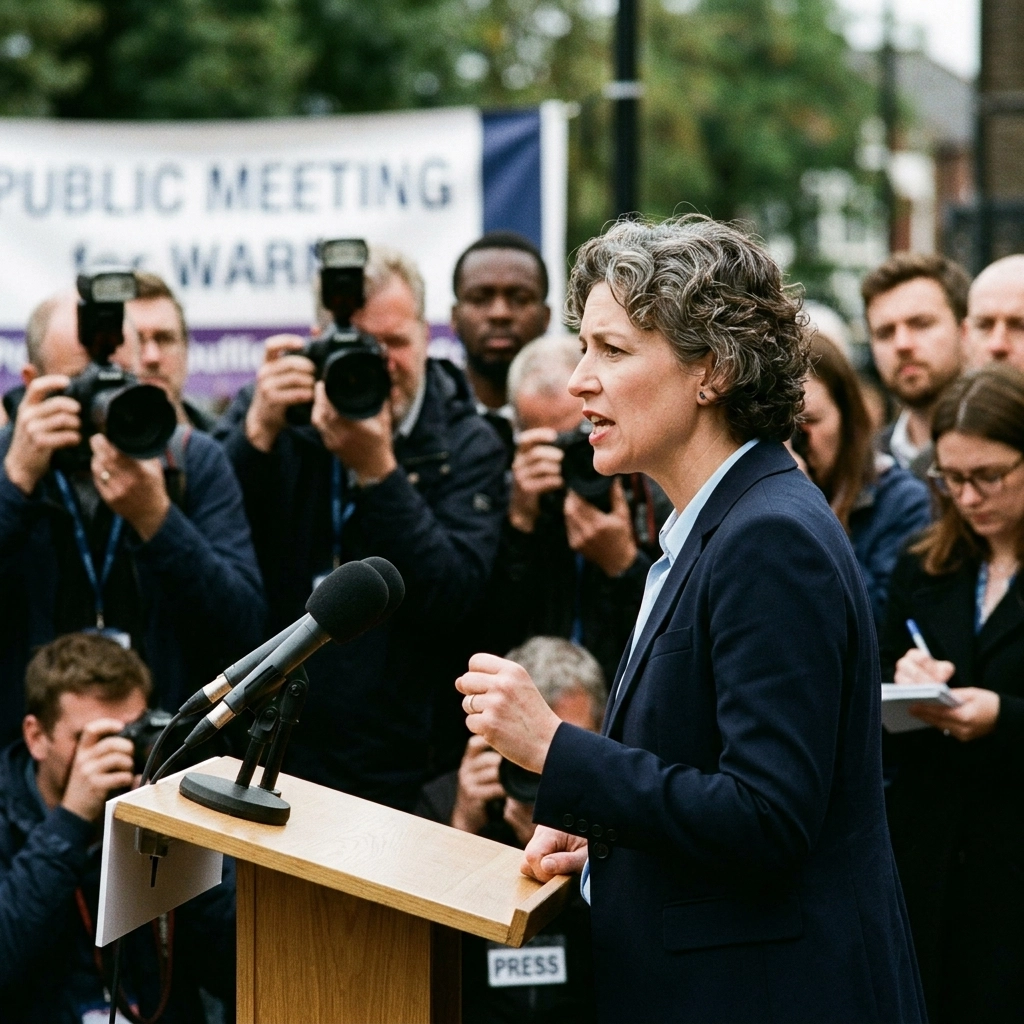
The political landscape has been rocked this week as Chancellor Rachel Reeves issued a direct and scathing critique of the US administration's latest military manoeuvres. Following the decision by President Donald Trump to initiate a direct conflict with Iran, the UK government has found itself in an increasingly difficult diplomatic position. Reeves, speaking from Westminster, expressed profound concern over what she described as a "short-sighted" strategy that lacks a clear endgame.
The Chancellor's comments represent one of the most significant rifts in the "special relationship" seen in recent years. While the UK has traditionally remained a close ally of the US in matters of global security, the unilateral nature of this decision has prompted a sharp response from senior British officials. The move comes at a time when the global community was already on edge regarding regional stability and energy security.
Central to the Chancellor's argument is the apparent absence of a long-term vision. Reeves pointed out that the decision to enter a military engagement without a defined exit strategy is a mistake the international community has seen far too often. She argued that the ramifications of such a conflict extend far beyond the borders of the Middle East, threatening to destabilise a global order that is already under significant pressure.
A Conflict Without a Clear Conclusion
The primary criticism levelled by the Chancellor involves the logistical and strategic planning behind the recent strikes. Reeves noted that history is littered with examples of interventions that began with swift military action but descended into decades of uncertainty. By bypassing traditional diplomatic channels and international coalitions, the US has, in her view, increased the risk of a prolonged and unpredictable war.
The Chancellor emphasised that the UK’s priority remains the protection of international law and the promotion of regional stability. She suggested that the current path chosen by the White House risks alienating key allies and emboldening adversaries. The lack of a transition plan for a post-conflict scenario is particularly worrying for the UK, which has frequently been called upon to assist in humanitarian and reconstruction efforts following similar engagements.
Within the halls of Parliament, the sentiment echoed by Reeves has found broad support. Many MPs have expressed fears that the UK could be pressured into a supportive role in a conflict it did not sanction. The Chancellor’s firm stance is seen as an attempt to decouple British foreign policy from the more aggressive tendencies of the current US administration, ensuring that the UK remains focused on de-escalation and dialogue.
Economic Tremors Felt Across Britain
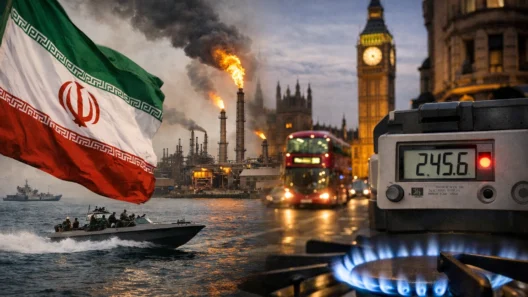
Beyond the immediate tactical concerns, the economic fallout of the conflict is already beginning to manifest. As the Chancellor of the Exchequer, Reeves is acutely aware of how volatility in the Middle East translates to the pockets of British taxpayers. The announcement of military action saw an immediate and sharp rise in global Brent crude prices, sparking fears of a renewed energy crisis.
The UK economy, which has been showing signs of steady recovery, now faces the prospect of imported inflation. If oil prices remain elevated, the costs of transport, manufacturing, and heating will inevitably rise. Reeves warned that this "war premium" on energy could undo much of the progress made in stabilising the cost of living over the past year. She argued that the US decision fails to account for the economic fragility of its closest partners.
Furthermore, the uncertainty has sent ripples through the London Stock Exchange. Companies with significant interests in international trade and energy have seen their valuations fluctuate wildly. The Chancellor noted that business confidence relies on a degree of geopolitical predictability. When that predictability is shattered by sudden military action, the resulting market instability can deter investment and slow down national growth.
The Search for a Diplomatic Resolution
Despite the harsh rhetoric, the Chancellor maintained that the door for diplomacy must remain open. She called for an immediate cessation of hostilities and a return to the negotiating table, involving both regional powers and the United Nations. The UK’s position is that a sustainable peace can only be achieved through a multi-lateral approach that addresses the root causes of the tension rather than just the symptoms.
Reeves suggested that the international community must work together to create a framework that prevents unilateral actions from dictating the global security agenda. This involves strengthening existing treaties and ensuring that any military action is seen as an absolute last resort, backed by a consensus of democratic nations. The Chancellor’s plea is for a return to a "rules-based order" where dialogue takes precedence over firepower.
In the coming weeks, the UK is expected to lead several high-level meetings with European allies to coordinate a unified response. The goal is to provide a counterbalance to the current US trajectory and to offer a pathway toward de-escalation. While the relationship with Washington remains vital, the Chancellor has made it clear that the UK will not stay silent when it believes its interests, and the interests of global stability, are being compromised.
The situation remains fluid, with military developments on the ground often outpacing diplomatic efforts. However, the intervention by Rachel Reeves has set a clear tone for the British government's approach. By focusing on the lack of an exit strategy and the severe economic implications, the Chancellor has framed the conflict not just as a matter of foreign policy, but as a direct threat to the domestic prosperity of the United Kingdom.
As the world watches the developments in the Middle East, the pressure on the US administration to provide clarity on its goals continues to mount. The UK government, led by voices like Reeves, appears determined to advocate for a more measured and strategic approach to global security. The long-term impact of this rift on the Anglo-American alliance remains to be seen, but for now, the priority in Westminster is clear: stability, transparency, and the protection of the economy.