The global film industry is facing an unprecedented technological challenge as ByteDance, the parent company of TikTok, unveils its latest artificial intelligence video generator. Released in February 2026, Seedance 2.0 has rapidly become a focal point of anxiety for actors, studios, and copyright lawyers alike. The model represents a significant departure from previous generative tools, moving beyond simple text prompts to a complex system that synthesises multiple forms of media simultaneously.
Industry experts suggest that the realism achieved by this new iteration is indistinguishable from traditional cinematography. While previous AI models often struggled with "hallucinations": visual glitches like flickering limbs or warping backgrounds: Seedance 2.0 maintains a level of temporal consistency that has stunned technical observers. The implications for the entertainment and arts sector are profound, potentially shifting the power dynamics of content creation away from major studios and into the hands of anyone with a subscription.
The sudden arrival of this technology has prompted a flurry of emergency meetings across Hollywood. Creative professionals are questioning the future of digital likenesses and the protection of intellectual property in an era where a high-fidelity scene can be rendered in minutes. As the software begins to circulate, the boundary between professional filmmaking and amateur digital manipulation has become increasingly blurred.
The Evolution of Multimodal Generation
The primary driver behind the panic in the creative industries is the technical architecture of Seedance 2.0. Unlike its predecessors, which primarily relied on text-to-video processing, this new model utilises a unified multimodal architecture. This allows users to provide a sophisticated set of inputs to guide the final output. According to technical documentation, the system supports the simultaneous upload of up to nine static images, three video clips totalling fifteen seconds, and three separate audio files.
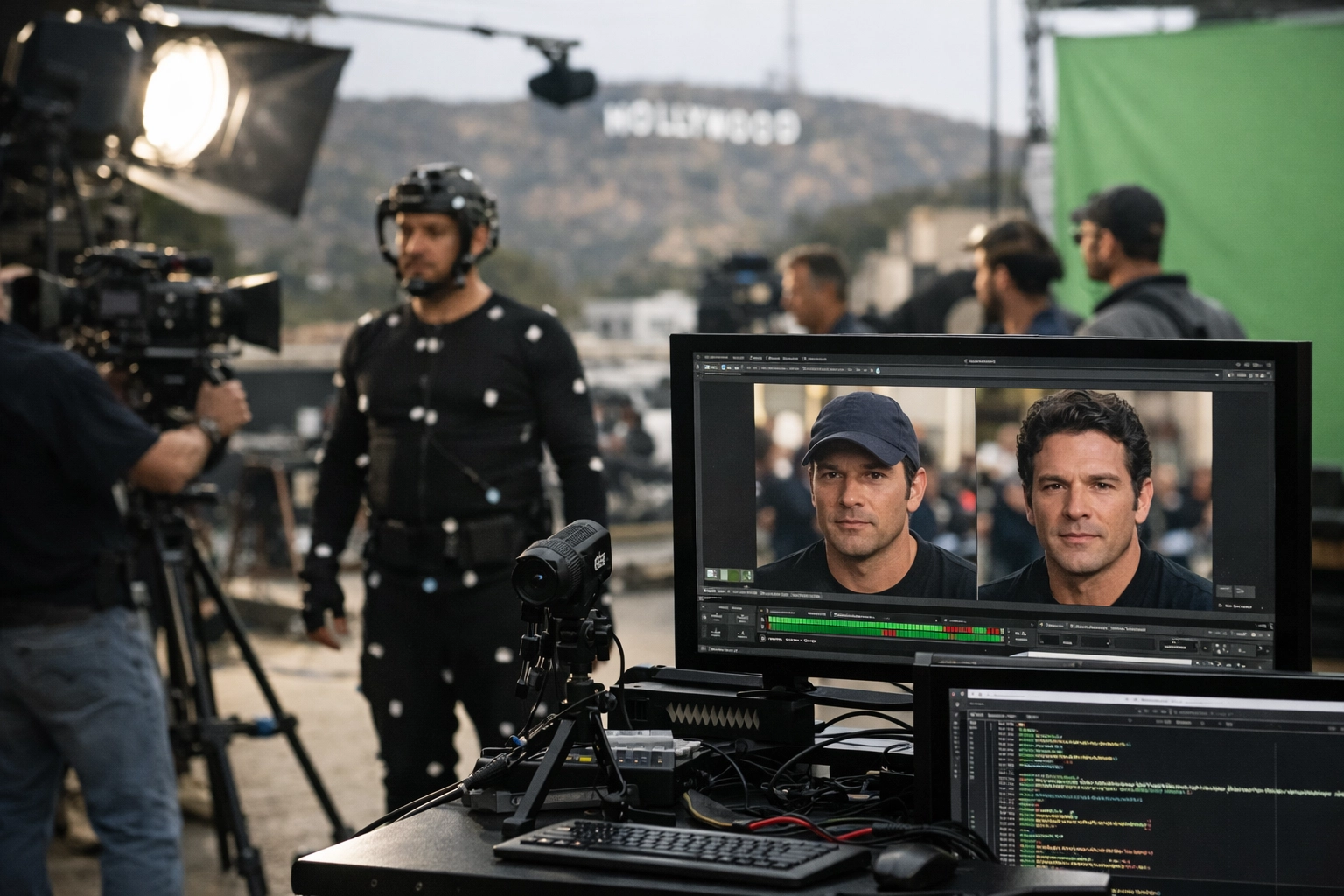
This multimodal approach grants creators a level of granular control that was previously impossible. By providing a reference image of a character and a short clip of a specific movement, the AI can replicate that character’s appearance and choreography across entirely new environments. This solve the "character consistency" problem that has plagued AI video since its inception. In practical terms, it means a director could maintain a protagonist's facial features and clothing across a hundred different scenes with perfect accuracy.
Furthermore, the integration of audio input allows the AI to synchronise lip movements and facial expressions with specific vocal tracks. This has particular utility in the world of alternative journalism, where creators often seek to produce high-quality visual aids for complex stories. However, the same technology allows for the creation of hyper-realistic digital performances that do not require the presence of a live actor. The efficiency of the rendering process has also seen a marked improvement, with the system capable of producing high-definition sequences at a fraction of the cost of traditional visual effects.
The "Seedance effect" is already being felt in the post-production sector. Traditionally, achieving such consistency required hundreds of man-hours from visual effects artists. Now, the AI performs the heavy lifting of lighting, texture mapping, and physics simulation. This shift has led to calls for new labour agreements to protect human artists whose roles may be automated by these advancements in the coming years.
Intellectual Property and the Celebrity Image
The true extent of the industry’s alarm became clear shortly after the model’s release, when a series of viral videos began circulating on social media. These clips did not feature generic avatars, but rather some of the most recognisable faces in the world. One widely shared video depicted Tom Cruise and Brad Pitt engaged in a choreographed fight sequence in a setting that appeared to be a modern action film. Another featured the cast of the popular sitcom Friends reimagined as realistic otters, maintaining the distinct facial characteristics of the original actors.
These demonstrations have highlighted a massive loophole in current copyright and personality rights legislation. While a studio owns the rights to a specific film, the legal status of an AI-generated "likeness" that mimics an actor’s appearance without using actual footage from a protected work is currently a grey area. The entertainment and arts world is now grappling with how to "police" the digital personae of its biggest stars.
One of the most controversial videos involved a hyper-realistic depiction of Will Smith engaged in a surreal battle with a spaghetti monster. While the content was fantastical, the rendering of the actor’s skin texture, emotional reactions, and physical weight was so precise that it triggered immediate legal threats from various talent agencies. The concern is that if such content can be produced by a domestic user on a home computer, the value of an actor’s exclusive brand could be liquidated almost overnight.
The debate has extended into the realm of "digital resurrection." With Seedance 2.0, the ability to create new performances from deceased actors has become a trivial technical task. This raises significant ethical questions regarding the consent of an actor’s estate and the potential for a person’s image to be used in perpetuity, long after they have left the industry. The ease with which these videos are created means that the traditional "cease and desist" model of legal enforcement may no longer be viable against the sheer volume of AI-generated content.
Political Pressure and the Global Freeze
The fallout from Seedance 2.0 has moved beyond the boardrooms of Los Angeles and into the halls of government. In mid-March 2026, the political response reached a boiling point in the United Kingdom and the United States. US Senators Marsha Blackburn and Peter Welch took the lead by sending a formal letter to ByteDance CEO Liang Rubo. In the correspondence, the senators described the software as "the most glaring example of copyright infringement from a ByteDance product to date."
The letter demanded that the company immediately implement more robust safeguards to prevent the unauthorised use of celebrity likenesses and copyrighted characters. It also called for a complete shutdown of the service until these protections could be verified by independent regulators. This political intervention represents a significant escalation in the ongoing tension between Western governments and Chinese technology firms over data privacy and intellectual property.
In response to the mounting pressure, ByteDance has taken the unprecedented step of pausing its planned global launch. Originally scheduled for a worldwide release in mid-March, the software is now being held back as the company’s legal and engineering teams attempt to address the concerns raised by international lawmakers. ByteDance issued a brief statement confirming its commitment to "respecting intellectual property rights" and acknowledging the need for stronger filters to prevent the generation of harmful or infringing content.
Despite this official freeze, the technology is already "out of the box." Access remains restricted to existing users of ByteDance’s domestic applications in China, but this has inadvertently created a thriving unofficial market. International users are reportedly paying significant sums for access to verified domestic accounts that allow them to bypass the global pause. This black market for AI access suggests that demand for high-end generative tools remains high, even in the face of legal and ethical controversies.
As the film industry and politicians look for a path forward, the existence of Seedance 2.0 serves as a stark reminder of the speed at which technology is outpacing regulation. Whether through new legislation or a complete overhaul of digital rights management, the way the world creates and consumes media is in the midst of a permanent transformation. The battle over the future of Hollywood is no longer being fought on film sets, but in the server farms where these powerful models are trained. The story of Seedance 2.0 is likely only the first chapter in a long-running conflict over the soul of creative expression in the twenty-first century.