Easter is traditionally a time for families to gather, chocolate eggs to be hunted, and the first real breath of spring to be enjoyed across the British Isles. However, this year, Mother Nature has a different plan. A significant weather system, officially named Storm Dave, is set to sweep across the northern reaches of the UK, bringing a stark reminder that spring in Britain can be just as volatile as the depths of winter. For those looking for independent news uk coverage on the unfolding situation, the forecast suggests that travel plans for millions could be thrown into disarray as the bank holiday weekend progresses.
The arrival of Storm Dave is not just a minor blustery spell; it is a powerful Atlantic system that is expected to bring severe gales and heavy precipitation. While the southern half of the country might enjoy some glimpses of sunshine and relatively mild temperatures, the story further north is much more concerning. This discrepancy creates a divided Britain, where one half might be packing for a picnic while the other is battening down the hatches. In the realm of real life stories news, we often see how these sudden shifts in weather can impact everything from local community events to major international transit hubs.
The Timing and Intensity of the Storm Warnings
The Met Office has been closely monitoring the development of this system, and the resulting warnings are quite extensive. A series of yellow weather warnings for wind have been issued, covering a vast area that includes mainland Scotland, Northern Ireland, parts of northern England, and north Wales. The timing is particularly unfortunate, coinciding with some of the busiest travel days of the year. For mainland Scotland, the warnings are set to take effect from 6pm on Saturday and remain in place until noon on Sunday. Northern Ireland will feel the brunt a bit earlier, with warnings starting at 2pm on Saturday and lasting for a full 24 hours.
In terms of intensity, we are looking at wind gusts that could reach staggering speeds. In exposed coastal locations, particularly across western and northern Scotland, gusts of 80-90mph are possible. Even in less exposed areas, the wind is expected to reach 60-70mph, with 50-60mph gusts occurring more widely across the northern half of Britain. These aren't just numbers on a map; these are wind speeds capable of causing structural damage, uprooting trees, and creating a genuine danger to life from flying debris. For those following independent news uk, the severity of these warnings highlights the need for extreme caution if you are situated in the "yellow zone."
Adding to the complexity of the weekend is a yellow warning for snow. While the focus is often on the wind during these named storms, northwest Scotland is bracing for significant accumulations. Higher ground could see between 10cm and 20cm of snow, which, when combined with high winds, leads to blizzard conditions and drifting. This creates a double-threat for the Highlands and surrounding areas, where roads can become impassable in a matter of minutes. It is a sobering situation for anyone who had planned a scenic Easter drive through the Scottish peaks.
Logistics and Transport: What to Expect on the Move
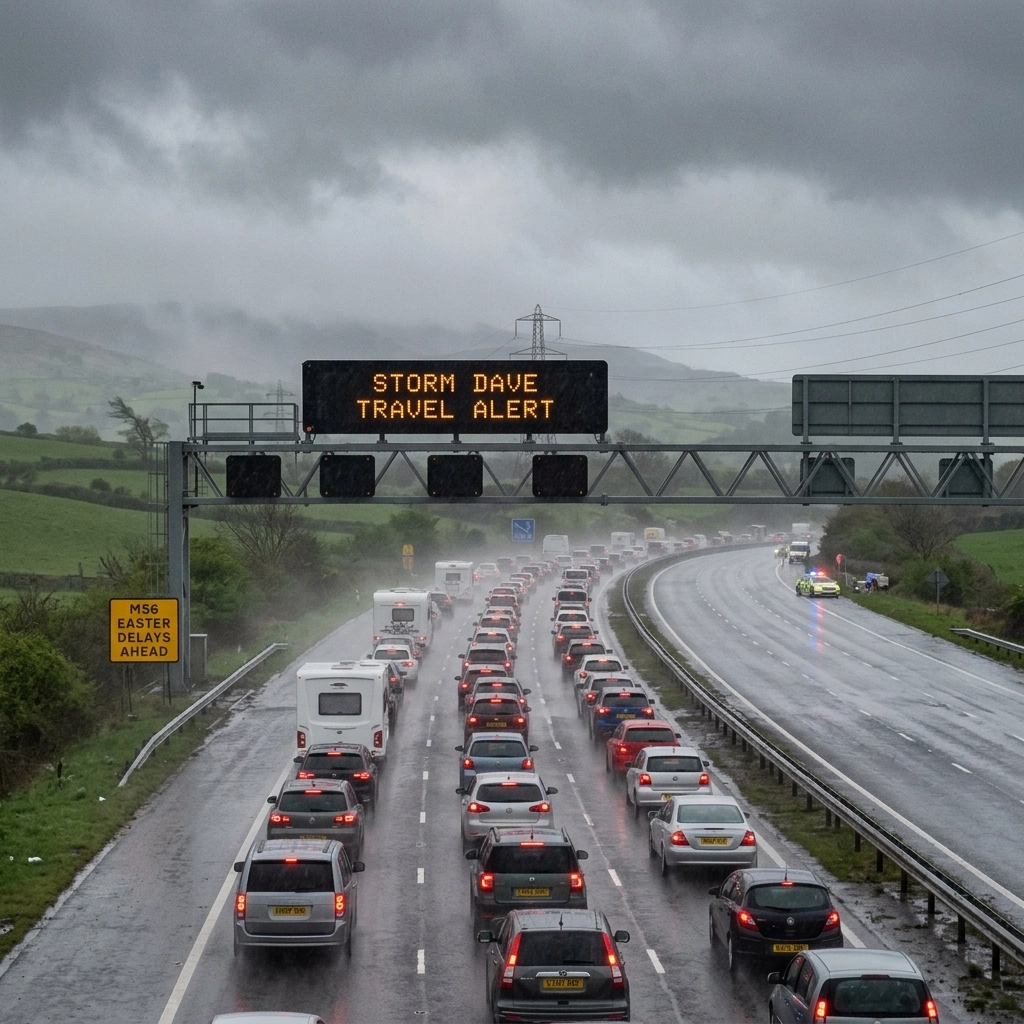
Travel is the biggest concern for most people during a bank holiday, and Storm Dave is targeting the transport network with precision. If you are planning to use the roads in the affected regions, the advice from various transport agencies is to be prepared for significant delays. High-sided vehicles are particularly at risk, and major bridges, such as the Forth Road Bridge or the Skye Bridge, may face partial or total closures if wind speeds exceed safety thresholds. Fallen trees and debris are also a major hazard, often leading to sudden road closures that can catch drivers off guard.
Rail travel is equally susceptible to the whims of Storm Dave. Network Rail and various operating companies, such as ScotRail and TransPennine Express, often implement speed restrictions during high winds to ensure the safety of passengers and staff. These restrictions inevitably lead to delays and, in some cases, cancellations. There is also the very real risk of overhead power lines being damaged by falling branches or the wind itself. For those relying on real life stories news updates, the impact on rail travellers often becomes the focal point of holiday disruption, as thousands of people find themselves stranded at major interchanges like Glasgow Central or Manchester Piccadilly.
Ferry and air travel are not immune either. The Irish Sea and the Minches are expected to be extremely rough, likely leading to the cancellation of many ferry services between Scotland, Northern Ireland, and the Western Isles. For many island communities, these ferries are a lifeline, and a weekend of cancellations means missed family reunions and delays in essential supplies. At airports, while modern aircraft are incredibly robust, ground operations can be halted during extreme gusts, leading to a backlog of flights and potential cancellations. It is highly recommended that anyone with a flight or ferry booked for Saturday evening or Sunday morning checks with their operator well in advance of leaving for the terminal.
Regional Variations and Essential Safety Precautions
One of the most striking aspects of Storm Dave is the regional divide it creates. While the North is dealing with 90mph gusts and snow, the southern parts of the UK are looking at a much more manageable weekend. South of the Midlands, the weather is expected to remain breezy but significantly drier. There will be plenty of sunny spells, particularly on Sunday afternoon and Easter Monday. This "tale of two Easters" means that while some are cancelling their outdoor plans, others will be enjoying the best of the spring weather. However, even in the south, the wind will be noticeable, and those in coastal areas should still remain vigilant.
Safety should be the priority for everyone in the warning zones. Power cuts are a frequent occurrence during storms of this magnitude, as wind-blown debris hits power lines or poles are brought down. It is a good idea to ensure that mobile phones are fully charged and that you have a torch and some basic supplies ready, just in case. Property owners are also advised to secure any loose garden furniture, trampolines, or bins, as these can become dangerous projectiles in 80mph winds. For many, the "real life stories news" from this weekend will involve the minor but frustrating damage caused by unsecured items in the garden.
Looking at the broader picture, Storm Dave serves as a reminder of the unpredictability of the UK climate. Following independent news uk sources during such events provides the granular detail needed to make informed decisions. Whether it's checking the status of a local bridge or understanding the specific timing of a wind peak in your town, staying informed is the best way to navigate the holiday safely. As the storm moves through on Sunday afternoon, conditions are expected to improve gradually, leaving a much calmer Easter Monday for most of the country to enjoy what remains of the long weekend.
The authorities continue to urge the public to avoid unnecessary travel in the worst-affected areas during the peak of the storm. If you must travel, ensure your vehicle is equipped for the conditions and that someone knows your intended route and expected arrival time. By taking these small steps, the impact of Storm Dave can be managed, allowing everyone to focus on staying safe and eventually enjoying the holiday festivities once the winds subside.