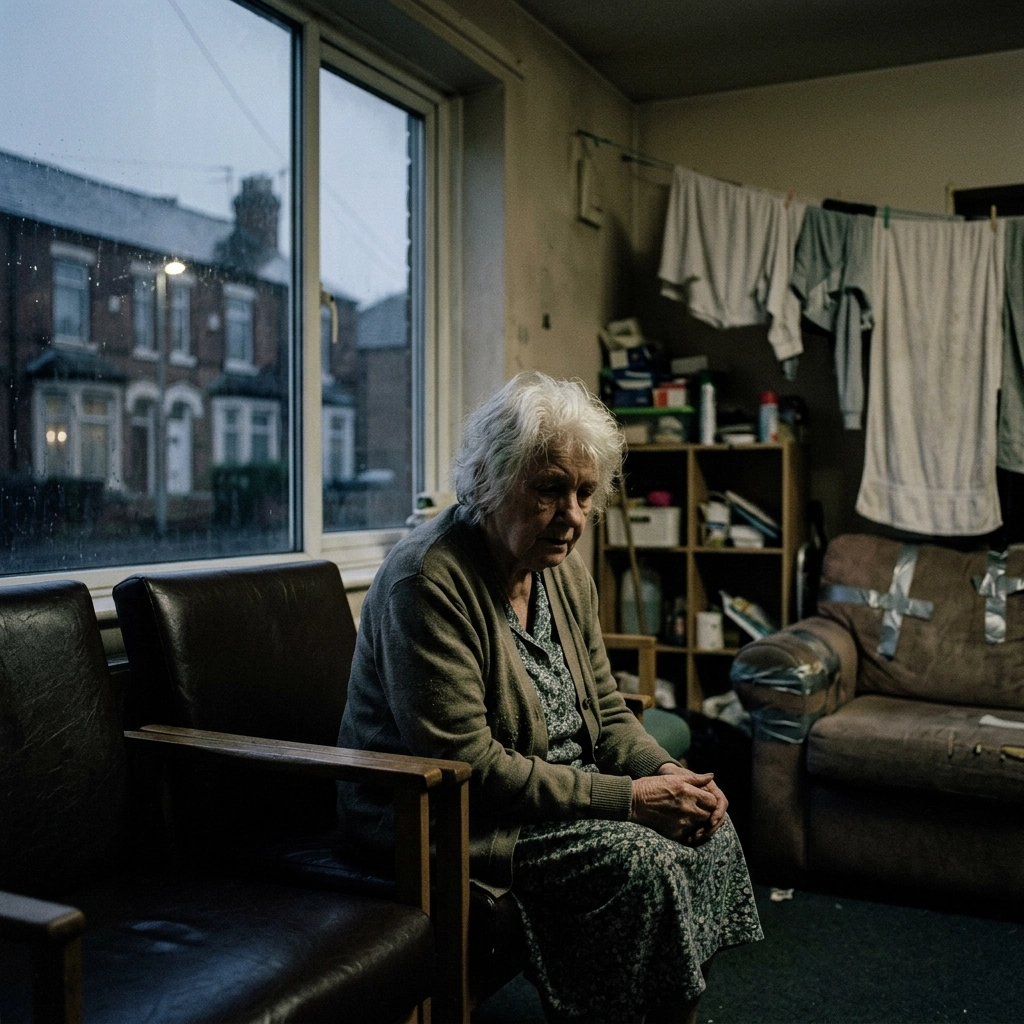
The safety of vulnerable children is supposed to be a cornerstone of a civilised society. In the UK, we often assume that when a child is taken into the care of the state, they are entering a highly regulated, strictly monitored environment where their well-being is the top priority. However, a growing body of evidence suggests that a parallel, unregulated universe is operating right under our noses. This is the "shadow system" of illegal care homes: a network of over 800 unregistered settings that house some of the most traumatised children in the country without any official oversight from Ofsted.
At NowPWR, we are committed to bringing you independent news uk that looks beyond the surface. These untold stories highlight the systemic failures that leave young people at risk. When we talk about alternative journalism, we mean digging into the cracks of the system where the most vulnerable often fall through. The scale of this issue is staggering, and the stories emerging from these unregulated placements are nothing short of harrowing.
Local authorities are often caught between a rock and a hard place. With a severe shortage of registered care home beds and an increasing number of children with complex needs, social workers are frequently forced to use "unregistered" placements. These are often supposed to be temporary, emergency measures, but in reality, children can spend months, or even years, in these settings. Because these homes are not registered, they do not undergo the rigorous inspections that ensure staff are qualified, buildings are safe, and safeguarding protocols are followed.
The Dangerous Reality of Unregistered Care
The sheer volume of unregistered children’s homes in the UK is a symptom of a system in total collapse. Recent figures suggest there are at least 800 of these settings operating across the country. Because they sit outside the legal framework, they are effectively invisible to the national watchdog. This invisibility creates a vacuum where standards can slip, and in the worst cases, where abuse can flourish.
In these shadow settings, children are often placed in converted flats, bedsits, or even holiday rentals. Unlike registered homes, which must meet strict "Quality Standards," these unregistered placements operate with little to no accountability. The staff working in these environments are often recruited through agencies with minimal background checks. In a registered setting, every staff member must undergo enhanced DBS checks and have specific training in child development and de-escalation techniques. In the shadow system, these requirements are often treated as optional suggestions.
The logic behind using these homes is usually one of desperation. A local council might have a teenager in crisis who cannot be placed in a standard children’s home due to their behaviour or risk profile. If no registered bed is available, the council may turn to a private provider who claims they can offer a "bespoke" solution. These providers charge eye-watering sums: sometimes upwards of £20,000 per week: to look after a single child. Despite the high cost, the quality of care is often non-existent. Without the threat of an Ofsted inspection, there is no incentive for these providers to invest in high-quality staff or therapeutic environments.
This lack of oversight also makes these children prime targets for exploitation. When a child is placed in an environment without clear boundaries or trained staff, they become much more susceptible to outside influences. We have seen a direct correlation between these unstable placements and the rise of criminal exploitation. To understand more about how these dynamics work on a broader scale, you can read about the UK's massive county lines crackdown. In many cases, the shadow care system acts as a recruitment ground for gangs, as there is no one effectively monitoring who is coming and going from these unregulated properties.
The MAP Adventures Scandal and Hired Criminals
One of the most disturbing examples of how the shadow system fails children is the case of MAP Adventures. This private provider was tasked with looking after vulnerable children, many of whom had been through extreme trauma. Instead of providing a safe haven, investigations revealed a culture of violence, intimidation, and gross negligence. This wasn't just a failure of management; it was a fundamental failure of the entire safeguarding apparatus.
At MAP Adventures, the recruitment process was shockingly lax. Investigations found that the company had hired ex-soldiers, some of whom had significant criminal records. While the idea of using "tough" male role models might have been part of their marketing strategy to councils dealing with "difficult" boys, the reality was much darker. These individuals were often untrained in social care and used physical force as a primary method of control. The "boot camp" mentality they brought to the setting resulted in numerous allegations of physical abuse and emotional trauma.
The use of ex-military personnel with criminal histories highlights a terrifying loophole in the unregistered care market. Because the home wasn't registered with Ofsted at the time of these incidents, the usual barriers to hiring people with violent backgrounds were bypassed. This allowed individuals who were entirely unsuitable for working with children to be placed in positions of absolute authority over them. The children at MAP Adventures reported being restrained inappropriately, being shouted at, and living in a constant state of fear.
This case is a stark reminder of why regulation exists in the first place. When private companies are allowed to operate in the shadows, profit often takes precedence over protection. The local authorities who paid for these placements also bear responsibility. By failing to conduct their own rigorous due diligence, they effectively handed over vulnerable children to a company that treated them like prisoners rather than individuals in need of care. This is the heart of the shadow system: a world where the state abdicates its responsibility to the highest bidder, regardless of the risks involved.
A Broken Framework in Need of Urgent Reform
The existence of 800+ unregistered homes is not a secret within the social care sector, yet the pace of change is glacially slow. The government has made some moves to ban the placement of children under 16 in "unregulated" accommodation (settings that provide support but not care), but this does not solve the problem of "unregistered" homes: those that are providing care but haven't bothered to sign up for oversight.
The problem is rooted in the economy of care. As long as there is a shortage of registered beds, there will be a market for illegal ones. Private equity firms have increasingly moved into the children’s care sector, seeing it as a low-risk, high-return investment. When the focus is on the bottom line, the expensive requirements of Ofsted registration: such as high staff-to-child ratios and professional qualifications: are seen as obstacles to profit.
To fix this, we need more than just a crackdown on illegal homes; we need a complete overhaul of how we value and fund children’s services. We need to move away from the model of "crisis management" where councils are forced to pay exorbitant fees to private companies for sub-standard care. There needs to be a significant investment in state-run or non-profit care settings that prioritises the needs of the child over the interests of shareholders.
Furthermore, the legal consequences for operating an unregistered home must be much more severe. Currently, the penalties are often seen as a minor cost of doing business. If we are to protect the next generation, we must ensure that anyone operating outside the law is held to account. The stories of the children who have suffered in these homes are part of the many untold stories that define the current state of our social fabric.
As we continue to investigate these issues, it becomes clear that the shadow care system is a symptom of a much larger malaise. It is a reflection of a society that has, in many ways, turned its back on its most vulnerable members. By shining a light on these practices, we hope to spark a conversation about what kind of care system we truly want for our children. It is time to bring these homes out of the shadows and ensure that every child in the UK is given the safety and dignity they deserve.
This is a matter of national importance that touches on everything from education to criminal justice. Without a safe place to call home, a child's chances of succeeding in school or avoiding the criminal justice system are drastically reduced. The illegal care home shadow system is a ticking time bomb, and unless we act now, more children will be lost to its unregulated reaches. Monitoring this situation remains a priority for those of us committed to alternative journalism in the UK.