




Children as young as 10 are now being identified as users of ketamine in a growing public health crisis that is sweeping across the United Kingdom.
Once a niche anaesthetic used primarily in veterinary medicine, the Class B substance has become one of the most accessible and affordable illegal drugs on the British market.
Police and healthcare professionals report that the drug is now cheaper to purchase for a schoolchild than a standard meal deal or a bag of crisps.
In the north-west of England, authorities have issued urgent warnings to parents as the age of users continues to plummet and the severity of physical damage increases.
The crisis is being fuelled by a sophisticated digital infrastructure that allows children to bypass traditional street dealers entirely.
The Digital Marketplace and Social Media Distribution
The modern drug trade has migrated from street corners to the encrypted corridors of social media and messaging apps.
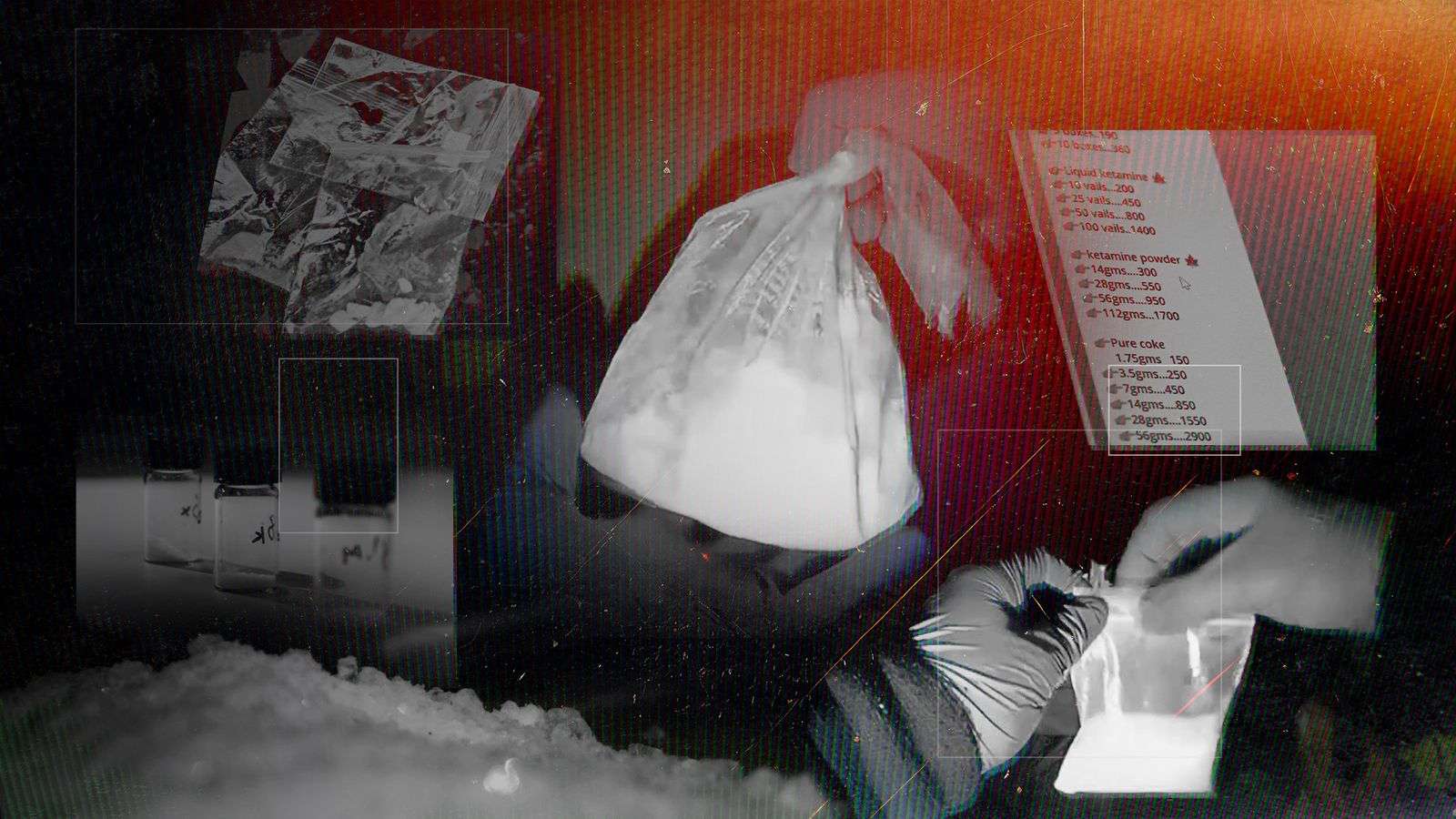
Platforms including Snapchat, Telegram, and WhatsApp have become the primary storefronts for ketamine distribution, according to law enforcement agencies.
Dealers now operate with a level of corporate professionalism that mimics legitimate e-commerce businesses.
Digital "menus" are circulated through these apps, featuring high-resolution images of the product, price lists for various quantities, and even customer reviews.
To incentivise repeat business, some distributors offer promotional perks such as free sweets or loyalty discounts with every order.
Detective Superintendent Joseph Harrop of Greater Manchester Police has highlighted how this accessibility is specifically targeting the younger demographic.
"It is readily available and it's really cheap, which is why I think it's attractive to children and young people," Harrop stated during a recent briefing on the regional surge.
The anonymity of these platforms creates a significant barrier for police investigations.
Transactions are frequently conducted using cryptocurrency to obscure the financial trail, making it difficult for authorities to track the flow of money.
Once a sale is confirmed, the drugs are often delivered via the standard postal service or through local "delivery drivers" who operate similarly to takeaway couriers.
This "dark mail" system allows children to receive illegal substances directly to their doorsteps or to a nearby pick-up point with minimal risk of interception.
For a 10-year-old with a smartphone and a small amount of pocket money, the barrier to entry has effectively vanished.
The Medical Toll of Bladder Decay and Chronic Use
The health consequences of ketamine use among children are catastrophic and, in many cases, irreversible.
Unlike other substances where the primary concern may be overdose or psychological dependency, ketamine poses a direct and violent threat to the renal system.
Prolonged use of the drug leads to what is known as "ketamine bladder," a condition where the bladder lining is destroyed by the chemical components of the drug as they are filtered out of the body.
This results in severe inflammation, ulceration, and the shrinking of the bladder capacity to the size of a golf ball.
In Greater Manchester alone, local authorities have reported that over 30 young people are currently receiving serious medical treatment for ketamine-related bladder damage.
The physical symptoms are debilitating, including chronic pelvic pain and the constant, painful urge to urinate.
In the most severe cases, teenagers are being fitted with stoma bags because their bladders have become completely non-functional.
Medical experts have warned that for some young users, the long-term impact on their physical health could result in a reduction of life expectancy by as much as 30 years.
"We are seeing children who should be in the prime of their lives facing a future of chronic pain and lifelong disability," one addiction specialist noted.
The psychological impact is equally concerning, as the drug’s dissociative properties can lead to severe anxiety, depression, and detachment from reality.
Despite these risks, the low price point continues to drive demand.
In some areas, a gram of ketamine can be purchased for as little as £5 or £10, making it more affordable than almost any other recreational activity available to teenagers.
A Failure of Enforcement in a High-Volume Market
As the crisis intensifies, treatment facilities across the UK are reporting that they are being overwhelmed by the number of young admissions.
One prominent addiction centre recently warned that it would be "completely out of space" within months if the current trend of child referrals continues.
The regional disparity is stark, with the north-west of England appearing to be the epicentre of the current surge.
Police in the region have noted a worrying trend where children as young as 13 are not just using the drug but are being recruited into distribution networks.
These "child dealers" are often used to move product within schools, further normalising the drug among their peers.
The lack of public awareness regarding the specific dangers of ketamine has contributed to its rapid spread.
Many parents remain unaware of the physical signs of ketamine use, often mistaking the symptoms for general teenage lethargy or typical adolescent behaviour.
The Government has faced calls to reclassify ketamine from a Class B to a Class A drug to reflect the severity of the harm it causes to the youth population.
However, critics argue that reclassification alone will do little to address the root causes of the crisis, which are deeply embedded in digital accessibility and social deprivation.
Enforcement agencies are currently struggling to keep pace with the volume of small-scale transactions occurring through the post.
While large-scale seizures of the drug continue at the border, the "last mile" of delivery: the connection between the online dealer and the child: remains largely unchecked.
The sheer volume of social media accounts dedicated to the sale of drugs makes it a "whack-a-mole" scenario for digital investigators.
As one account is shut down, three more are created within hours, often using slightly different handles to bypass automated filters.
The crisis highlights a significant gap in the UK's current drug strategy, which has historically focused on heroin and cocaine.
Without a targeted intervention that addresses the unique intersection of social media, low cost, and extreme physical harm, the number of 10-year-olds entering the ketamine cycle is expected to rise.
For now, the burden of the crisis is being carried by overstretched healthcare services and families who are witnessing the rapid physical decline of their children.
The situation remains a developing story as local councils and police forces across the UK review their strategies for the coming year.