




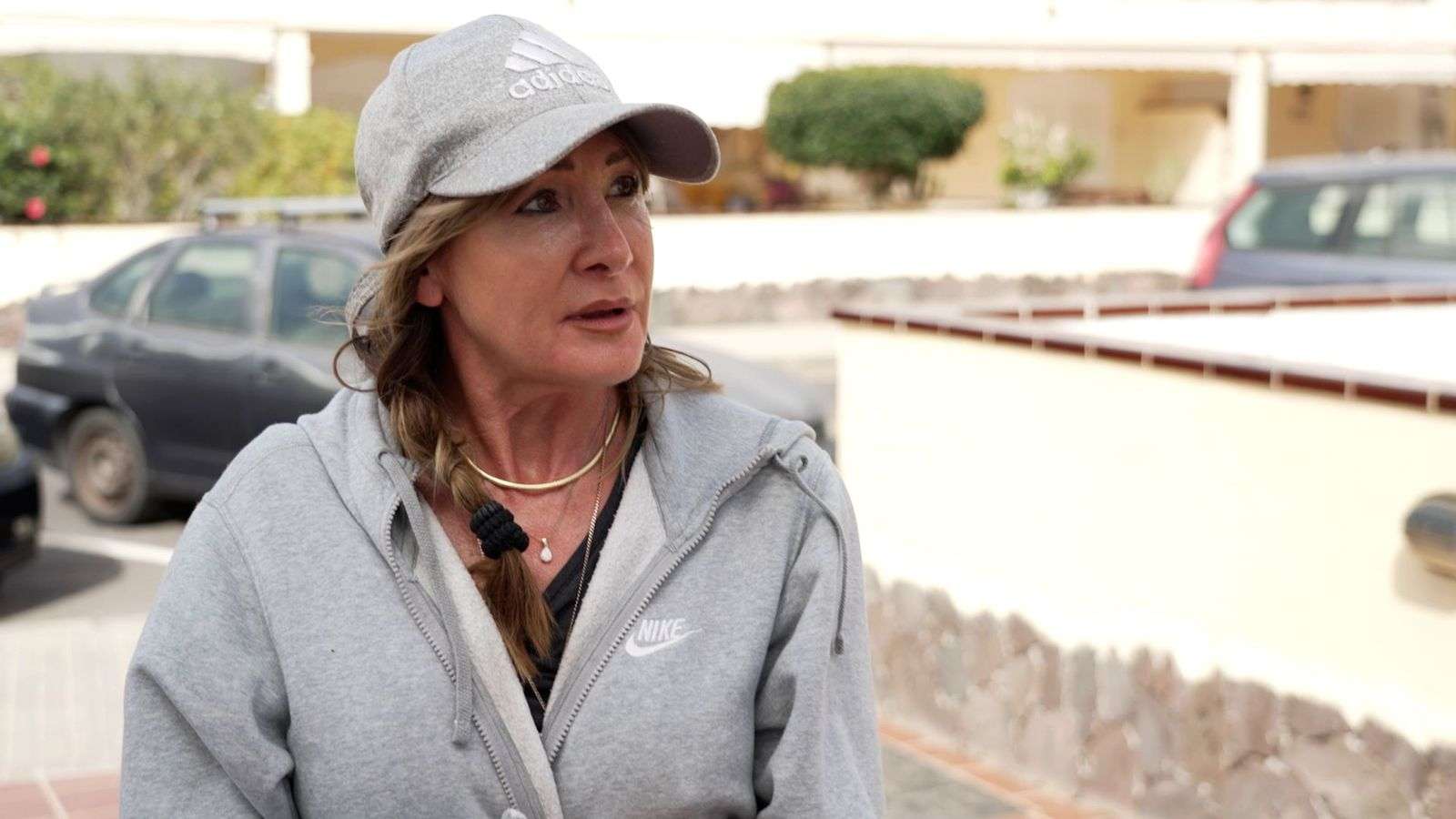
A British national who allegedly vanished with more than £300,000 of life savings has been tracked to a coastal town in Tenerife following an eighteen-month search by victims and private investigators.
The individual, identified as a former financial consultant, is accused of operating a sophisticated investment ring that targeted retirees across the south of England before fleeing the jurisdiction in late 2024.
Victims reported that the funds, often representing entire pension pots and inheritance sums, were diverted into offshore accounts shortly before the consultant disappeared from his residence in Surrey.
Public records indicate that the authorities were first alerted to the missing funds when scheduled dividends failed to materialise for twelve separate families in November 2024.
The subsequent investigation revealed a complex web of shell companies designed to obfuscate the movement of capital from UK-based banks to accounts in the Canary Islands.
Despite an ongoing police enquiry, the trail had grown cold until a collaborative effort by the victims led to a breakthrough in the popular tourist destination of Los Cristianos.
Using social media footprints and local sightings, the group managed to pinpoint the exact location of the individual, who was reportedly living under a slightly altered name.
The confrontation, which took place outside a luxury villa complex earlier this month, has brought the reality of the scam back into the public eye and highlighted the challenges of cross-border financial crime.
The Human Cost of a Sophisticated Financial Deception
For the families involved in the £300,000 loss, the impact of the fraud has extended far beyond the immediate financial deficit.
Elena Thompson, a 72-year-old retired nurse, lost £45,000 which she had set aside to pay for the long-term care of her husband who suffers from dementia.
She is one of several victims who describe a process of "grooming" where the fraudster built trust over several years through social events and modest initial returns.
The psychological toll on these individuals has been significant, with many reporting feelings of shame and isolation following the realisation that their savings were gone.
In another case, a widower from Kent was forced to sell his family home after losing £80,000 in what he believed was a low-risk property bond.
The loss of financial security has led to a documented decline in the physical health of several victims, some of whom have required medical intervention for stress-related conditions.
The fraudster reportedly utilised high-pressure sales tactics combined with polished marketing materials to give the illusion of a legitimate and regulated financial enterprise.
By targeting a specific demographic of older investors, the scheme exploited a lack of digital literacy and a traditional reliance on personal professional relationships.
The total sum of £300,000 is believed by investigators to be a conservative estimate, with further victims expected to come forward as the story gains national attention.
The emotional weight of the situation was evident during the recent confrontation in Tenerife, where victims expressed their frustration at the perceived lack of urgency from official channels.
Without the financial means to hire expensive legal representation, many of the families have had to rely on community support and volunteer groups to pursue the case.
The narrative of the "Tenerife Escape" has become a rallying point for those seeking stricter regulations on independent financial consultants and better protections for the elderly.
Tracing the Paper Trail from London to the Canaries
The process of tracking the suspect required a meticulous analysis of bank statements, flight manifests, and property records spanning multiple countries.
Independent investigators discovered that the suspect had utilised a series of small, frequent transfers to avoid triggering automatic anti-money laundering alerts in the UK.
Once the total sum reached a specific threshold, the capital was moved to a holding account in a jurisdiction known for limited financial transparency.
The suspect's departure from the UK was timed to coincide with a bank holiday weekend, providing a three-day window before the first red flags were raised by concerned investors.
He is believed to have travelled via a budget airline from Gatwick Airport, using a passport that had not yet been flagged by the Home Office.
Upon arrival in Tenerife, the individual initially stayed in short-term holiday rentals before securing a long-term lease on a villa using a local intermediary.
His presence in the islands was masked by the high volume of British expatriates and tourists who frequent the southern coast of the island year-round.
The investigation was hampered by the fact that the suspect avoided traditional banking systems in Spain, preferring to operate primarily with cash and pre-paid debit cards.
It was only after he began posting photos of his "new life" on a private social media account that the victims were able to confirm his general whereabouts.
A digital forensics expert assisted the group in geolocating a specific photograph taken at a high-end beach club, which led investigators to the Adeje region.
Local residents in Tenerife reported seeing the man frequently at local bars, where he was known as a generous spender and a "successful businessman" in the tech sector.
The disconnect between his lifestyle in the sun and the financial ruin of his victims in the UK has become a central point of contention in the ongoing legal discourse.
The paper trail also suggests that a portion of the stolen funds may have been laundered through a series of failed property developments in the interior of the island.
This secondary layer of fraud has complicated the recovery process, as much of the capital is now tied up in illiquid assets or has been exhausted on luxury living expenses.
Justice in the Sun: The Final Confrontation
The moment of confrontation occurred on a Tuesday afternoon when two of the victims, supported by a small film crew, approached the suspect as he left a gymnasium.
Video footage of the encounter shows the individual appearing visibly shaken before attempting to shield his face and retreat toward a parked vehicle.
When questioned about the missing £300,000, the suspect declined to provide a statement, citing ongoing legal advice and denying any wrongdoing.
The encounter was not a formal arrest, as the UK authorities are still in the process of coordinating with the Spanish National Police regarding an extradition request.
The legal hurdles for returning a suspect to the UK for financial crimes can be extensive, involving multiple layers of judicial review and international treaty compliance.
However, the publicity surrounding the confrontation has put pressure on the local government in Tenerife to ensure the individual does not flee the island again.
Since the video of the encounter was shared online, several more families have contacted the victims' group, alleging they were also defrauded by the same man.
The suspect's assets in the UK have been frozen, but investigators believe the majority of the usable capital is held in accounts outside the reach of British courts.
Legal experts suggest that the road to full restitution for the victims is likely to be long and fraught with further bureaucratic challenges.
The case has highlighted a significant gap in the ability of national police forces to track and apprehend financial criminals who operate across European borders.
For the victims, the confrontation was not just about the money, but about the refusal to allow the perpetrator to live a life of leisure at their expense.
The story remains a developing situation as the Crown Prosecution Service reviews the evidence gathered during the private investigation.
The victims have returned to the UK, where they continue to lobby for a dedicated task force to handle "grey-zone" financial crimes that fall between civil and criminal jurisdictions.
As the sun sets on the luxury villas of Tenerife, the reality for those back in the UK remains one of austerity and the lingering hope that justice will eventually be served.