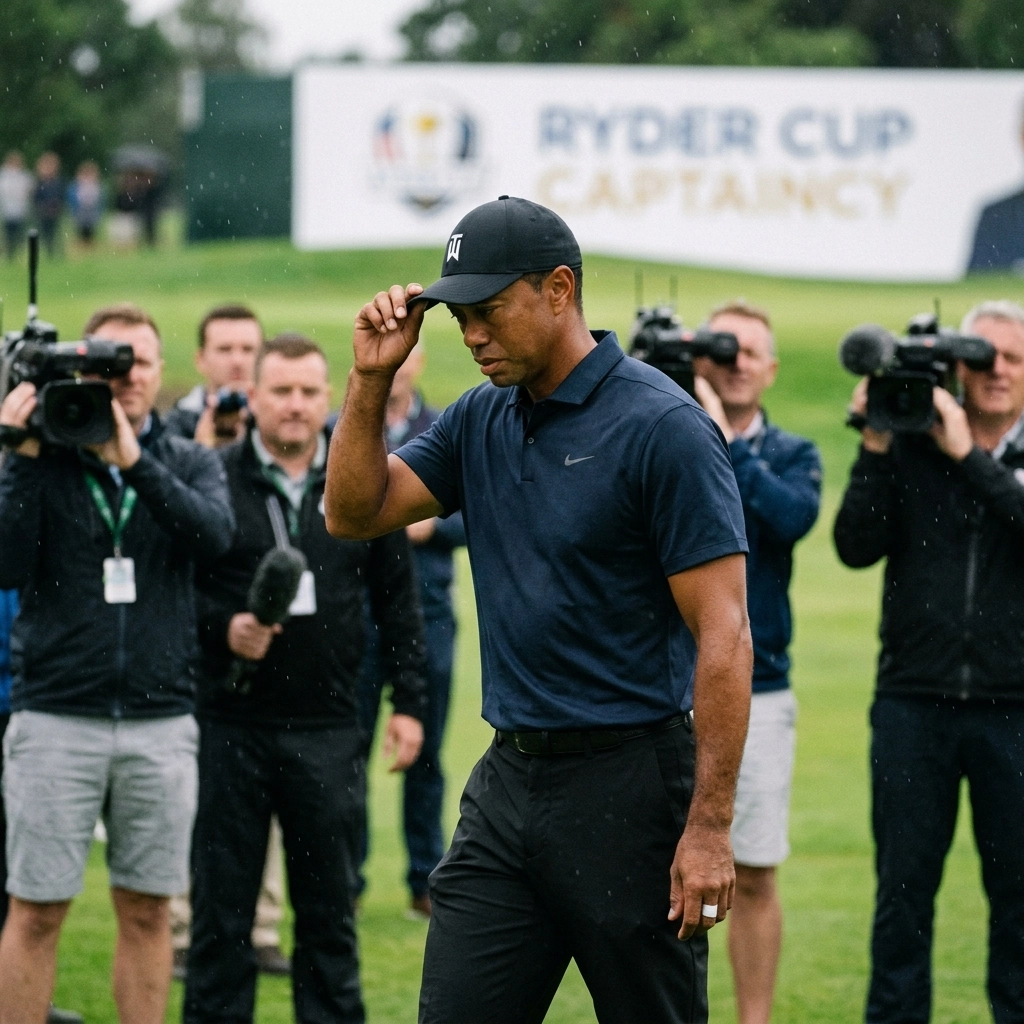
The world of professional golf has been rocked by the news that Tiger Woods will not be taking the helm for the 2027 Ryder Cup. For years, fans and pundits alike had pencilled in the legendary golfer as the natural choice to lead Team USA at Adare Manor in Ireland. However, recent developments have seen Woods decline the offer, choosing instead to step away from the sport indefinitely. This decision marks a significant turning point, not just for the competition itself, but for how we view the intersection of high-stakes athletics and personal well-being. It is the kind of narrative that resonates deeply within human interest stories, moving beyond the scorecards to the reality of the individual behind the icons.
The announcement came from the PGA of America, confirming that the fifteen-time major champion would not be serving as captain for the upcoming matches. While the golfing community had been eagerly anticipating his leadership, the reasons for his withdrawal are deeply personal. Following a series of well-documented health struggles and a recent legal incident in South Florida, Woods has expressed a clear need to prioritise his long-term recovery and mental health. In a landscape often dominated by the relentless pursuit of trophies, his choice to step back and focus on his treatment is a brave and notable shift in perspective.
For many followers of the sport, the news is a sombre reminder of the physical and mental toll that a career at the pinnacle of golf can take. Tiger Woods has spent decades under the intense scrutiny of the global spotlight, a focus that has only sharpened as he has aged and dealt with numerous surgeries. Independent news outlets have been quick to highlight that while the Ryder Cup is a massive event, the health of the greatest player of a generation is of far greater importance. The PGA of America has echoed this sentiment, offering their full support to Woods as he enters a comprehensive inpatient treatment facility to address his ongoing challenges.
A Focus on Personal Recovery and Well-being
Tiger Woods has always been a figure of immense resilience, but his recent decision highlights that even the strongest competitors have their limits. The choice to decline the Ryder Cup captaincy stems from a need to step away from the game entirely for the foreseeable future. This follows a period of significant difficulty, including an arrest on suspicion of driving under the influence after a rollover crash near his home. While Woods entered a plea of not guilty, the incident served as a catalyst for a deeper reflection on his path forward. He has been open about his intention to seek professional help, stating that he is working towards lasting recovery and needs the time and space to do so properly.
A Florida judge recently granted Woods the permission to travel outside the United States to enter an inpatient treatment facility. This move is a clear indication of how seriously he is taking his current situation. In the past, Woods might have tried to "power through" for the sake of the sport, but this time feels different. There is a sense that he is acknowledging the human side of his journey, moving away from the "invincible" persona that defined his early career. Human interest stories often find their most profound moments in these instances of vulnerability, where a public figure chooses their health over their career legacy.
The PGA of America’s statement was one of profound respect. They commended Woods for his courage in making such a difficult personal decision, recognising that his long-term health is the absolute priority. By stepping away now, Woods is ensuring that he can be there for his family and himself in the years to come, rather than risking further burnout or health complications by taking on the immense pressure of a Ryder Cup captaincy. The captain’s role is not just about choosing pairings; it is a multi-year commitment involving media tours, strategic planning, and intense public engagement. For someone currently undergoing treatment, that level of commitment would be nearly impossible to sustain without compromising their recovery.
The Search for a New Leader at Adare Manor
With Tiger Woods officially out of the running, the PGA of America faces a significant logistical challenge. The 2027 Ryder Cup at Adare Manor is expected to be one of the biggest iterations of the tournament in history, particularly with its return to Irish soil. Woods was the heavy favourite for the role, and his absence leaves a vacuum that is not easily filled. Traditionally, the captaincy is a role reserved for the giants of the game who are transitioning out of their peak playing years. Woods fit that mould perfectly, bringing a level of gravitas and experience that few others can match.
Independent news outlets have already begun speculating on who might step into the breach. The problem is that many of the natural successors are either still too active as players or have moved over to the LIV Golf circuit, making them currently ineligible for the role under existing rules. This creates a fascinating dilemma for the selection committee. Do they look to an older veteran who has already served, or do they fast-track a younger candidate who might not have been on the radar for another few years? The choice will define the culture of Team USA as they head into a potentially hostile environment in Ireland.
The Ryder Cup is unique in golf because it is a team event in an otherwise individual sport. The captain is the heartbeat of that team, responsible for motivating the players and managing the complex egos of some of the best athletes in the world. Tiger Woods’ presence alone would have been a massive morale boost for the American side. Now, the PGA of America must find someone who can command that same level of respect without the "Tiger factor." It is a tall order, and the decision-makers will likely take their time to ensure they find the right fit for the 2027 matches.
The Legacy of Woods and the Future of the Captaincy
While he won't be leading the team in 2027, Tiger Woods’ impact on the Ryder Cup remains undeniable. He has been a part of numerous teams as a player and has also served as an assistant captain, providing invaluable mentorship to younger stars like Justin Thomas and Jordan Spieth. His decision to decline the captaincy does not necessarily mean he will never lead a team in the future. If his recovery goes well and he finds a sense of balance in his personal life, the door will undoubtedly remain open for him to take the reins in 2029 or beyond.
For now, the focus remains on the current state of the U.S. team. The withdrawal of Woods forces a rethink of the leadership structure within American golf. It highlights the need for a deeper bench of potential captains who are not only great golfers but are also prepared for the administrative and emotional demands of the role. This situation serves as a reminder that the sport must look after its legends. The pressure placed on these individuals to perform and lead indefinitely is unsustainable. By backing Woods’ decision, the PGA of America is setting a positive precedent for how sporting bodies should handle the personal crises of their most famous members.
As the 2027 matches approach, the narrative will inevitably shift towards the new captain and the players who will make the trip to Ireland. However, the story of Tiger Woods’ withdrawal will remain a significant chapter in Ryder Cup history. It is a story about the importance of mental health and the reality that even the most celebrated figures in the world must sometimes put themselves first. Independent news outlets will continue to follow his journey, providing the public with updates on his progress and ensuring that his contribution to the game is remembered alongside his current fight for health.
The decision by Tiger Woods to decline the Ryder Cup captaincy for 2027 is a significant moment for professional golf. It reflects a growing awareness of the importance of personal health and recovery over professional accolades. While the absence of Woods at Adare Manor will be felt by fans and players alike, the support shown by the PGA of America indicates a shift towards a more compassionate approach to sports leadership. The search for a new captain will now begin in earnest, as Team USA looks to find a leader who can fill the void left by one of the game's greatest icons. Woods’ focus remains firmly on his inpatient treatment and long-term well-being, a path that many hope will eventually lead him back to the sport he has defined for so long.