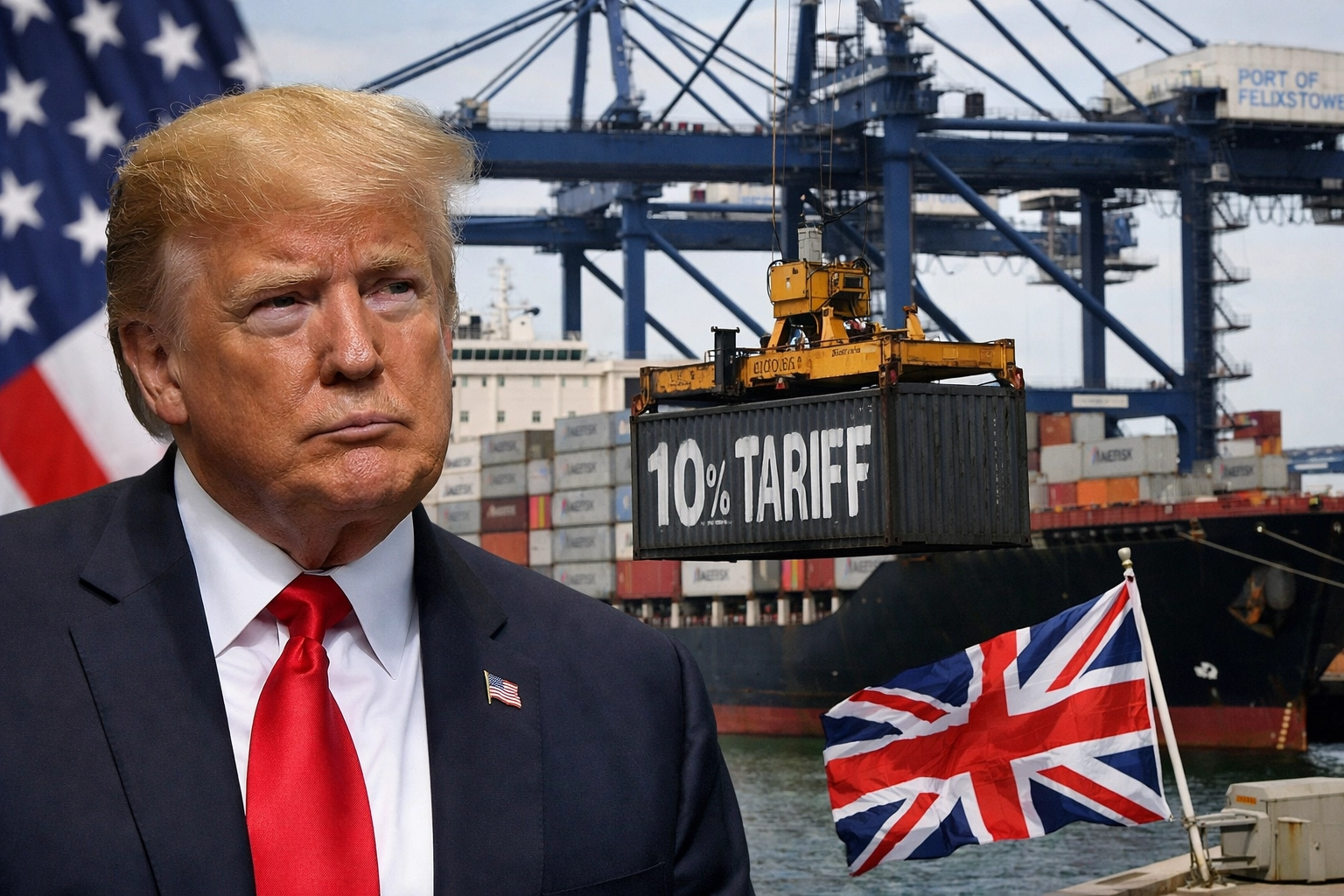
The global economic landscape has been shifted on its axis following the latest developments in Transatlantic trade relations. For months, the rumour mill in Westminster and Washington has been spinning with talk of a "trade war," a term that carries significant weight for businesses across the United Kingdom. Now, we are seeing the tangible reality of the "America First" policy as a 10% tariff framework settles into place, fundamentally altering how British goods enter the United States.
This move isn't just a sudden spike in costs; it represents a profound shift in the "Special Relationship." While the news of a 10% tariff sounds like a heavy blow: and for many sectors, it certainly is: the situation is more nuanced than a simple protectionist wall. Recent analysis shows that this isn't just a unilateral tax, but rather a component of a historic, albeit controversial, reciprocal trade deal. By understanding the mechanics of this agreement, we can better grasp the future of global business analysis and the long-term health of our domestic economy.
The ripples of this decision are being felt from the car manufacturing plants in the Midlands to the steelworks in Wales. It is a moment that demands a closer look at the fine print of the deal, the political motivations behind it, and what it means for the average consumer on both sides of the Atlantic.
The Mechanics of the Reciprocal Tariff Deal
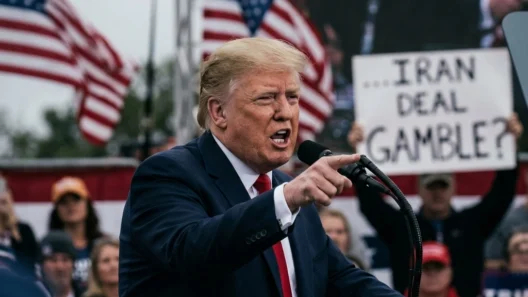
At first glance, the headline "10% Tariff" looks like a declaration of economic hostility. However, the Trump administration has framed this move as a necessary correction to what they perceive as long-standing imbalances in international trade. The cornerstone of the current arrangement is the concept of a reciprocal tariff rate. In essence, the U.S. has moved to match or counter the tariffs that the UK had already placed on American goods, particularly in the agricultural sector.
For years, the U.S. has pointed towards the high barriers American farmers faced when trying to sell into the British market. UK tariffs on meat, poultry, and dairy products often exceeded 125%, backed by stringent standards that Washington frequently labelled as "non-science-based." By implementing a 10% blanket tariff on general goods, the U.S. is effectively forcing a re-negotiation of market access. The deal currently in place uses this 10% rate as a baseline, creating a "level playing field" from the perspective of American trade negotiators.
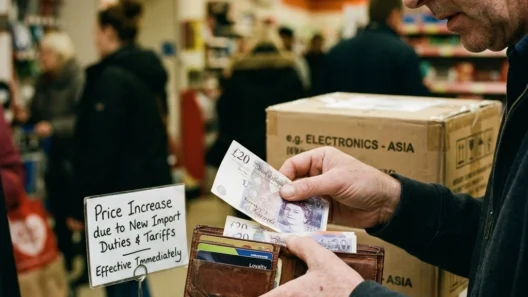
This approach to uk political news often focuses on the friction it causes, but the deal also includes complex sector-specific arrangements. For instance, the general goods category: everything from luxury handbags to specialised machinery: now carries that 10% tag. While this adds a layer of cost for U.S. consumers of British products, it also serves as a leverage point for American exporters seeking to lower the barriers they face when shipping goods to the UK. It is a transactional style of diplomacy that prioritises immediate market gains over traditional diplomatic niceties.
Navigating the Sector-Specific Challenges
Beyond the general 10% rate, the details for specific industries like automotive and heavy metals are even more intricate. The British car industry, a vital part of our national identity and economy, faces a two-tier system that will require careful management by manufacturers. Under the current agreement, the first 100,000 vehicles exported annually by UK car manufacturers to the United States will be subject to the 10% reciprocal rate. However, once that ceiling is hit, any additional vehicles will face a much steeper 25% tariff.
For major players like Jaguar Land Rover or the Mini plant in Oxford, this quota system creates a significant strategic challenge. They must now balance their production and export schedules to ensure they don't get hit by the punitive 25% rate, which could effectively price British-made cars out of the competitive American market. This is a classic example of how global business analysis must now account for political quotas just as much as consumer demand.
On a more positive note, the situation for steel and aluminium has moved towards a more collaborative model. Rather than sticking with the blunt instrument of Section 232 tariffs, the U.S. and UK have agreed to negotiate a "new trading union" for these metals. This move is designed to bolster national security and protect domestic industries from third-party "dumping": largely aimed at limiting the influence of Chinese overproduction. By creating a specific trade bloc for steel and aluminium, the two nations are attempting to secure their supply chains while maintaining a degree of protection for their own industrial bases.
The agricultural trade-off is perhaps the most significant part of the deal for the U.S. side. In exchange for the tariff framework, the UK has opened its doors to a $5 billion opportunity for American agricultural exports. This includes a massive $700 million market for ethanol and $250 million for beef and other meat products. For the British public, this has re-ignited debates over food standards and the future of UK farming, making it a central pillar of recent political discourse.
Long-term Implications for UK Political Strategy
The introduction of these tariffs and the subsequent reciprocal deal marks a turning point for the UK’s post-Brexit trade strategy. For years, the promise of a comprehensive Free Trade Agreement (FTA) with the United States was held out as one of the primary benefits of leaving the European Union. However, the reality of the "America First" era suggests that a traditional, all-encompassing FTA may be less likely than a series of transactional, sector-specific agreements.
From a global business analysis perspective, the UK is now operating in a world where trade is increasingly used as a tool for political leverage. The British government must walk a fine line between maintaining its high regulatory standards: which are popular with voters: and securing the market access that British businesses desperately need to grow. The $5 billion agricultural concession shows just how much the U.S. is willing to push to get its products into British supermarkets, and it remains to be seen how this will affect the long-term viability of British farms that cannot compete on the same scale as American industrial agriculture.
Furthermore, this trade environment requires the UK to be more agile in its diplomatic efforts. The "new trading union" for steel and aluminium could be a blueprint for future cooperation in other high-tech sectors, such as semiconductors or green energy technology. However, it also means that the UK is increasingly tethered to U.S. trade policy, which can be volatile depending on the political climate in Washington.
As we look toward the rest of 2026, the success of this deal will be measured by the trade balance and the resilience of our manufacturing sector. While the 10% tariff is a hurdle, the historic nature of the reciprocal agreement provides a framework that both sides seem committed to, for now. For businesses, the key will be navigating these new costs through innovation and strategic market positioning, ensuring that "Made in Britain" remains a mark of quality that consumers are willing to pay a premium for, even with a tariff attached.
The shift in trade dynamics serves as a reminder that the global economy is constantly evolving. Staying informed about these changes is essential for anyone involved in business or politics today. This commitment to transparency is at the heart of how we cover the stories that matter most to our readers.
In conclusion, the 10% tariff on UK imports is a significant development that reflects the broader trends of modern trade. While it presents immediate challenges, the reciprocal nature of the agreement offers a path forward for continued Transatlantic commerce. The coming months will reveal the true impact of these measures on the UK economy and the political landscape at large.