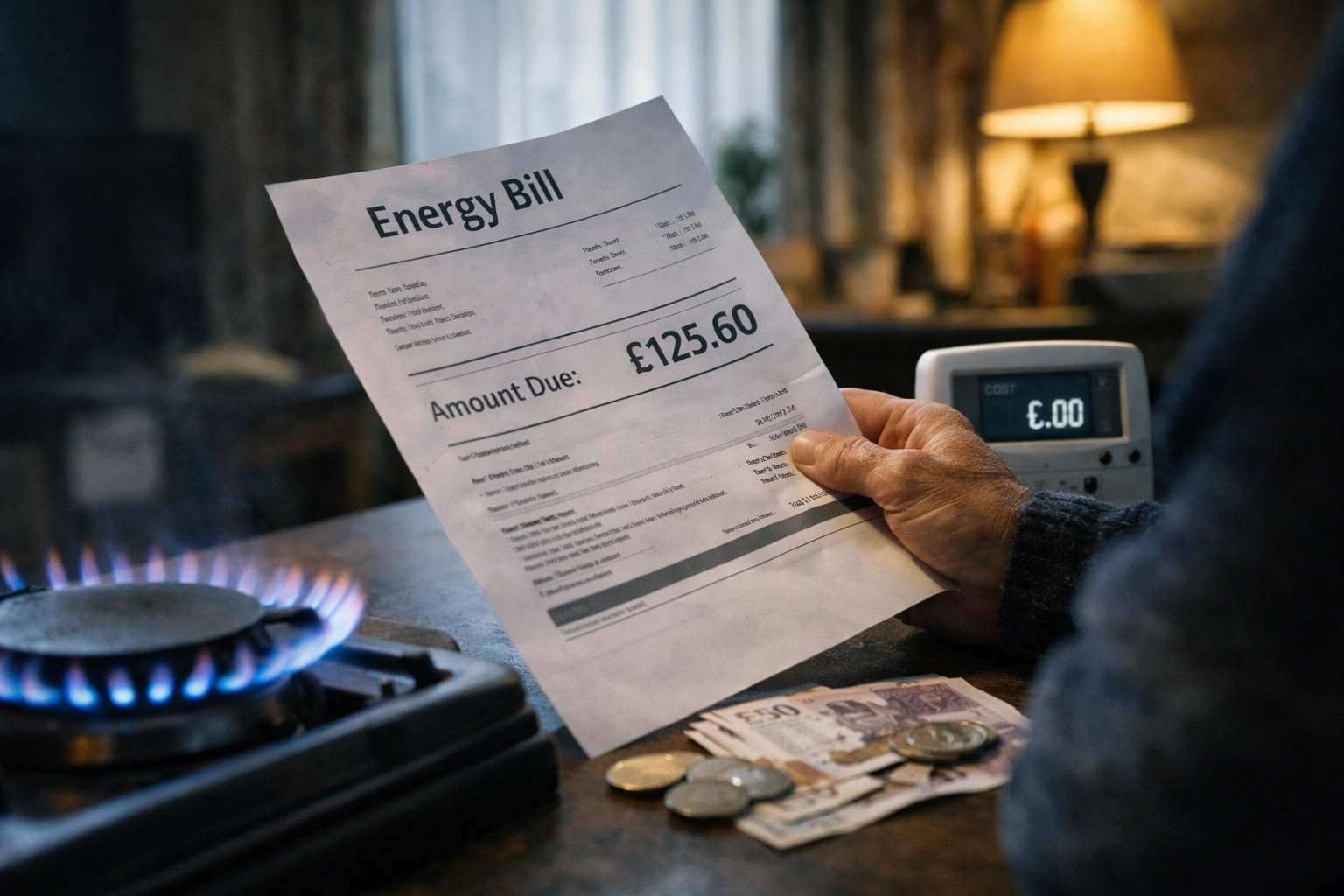
Households across the United Kingdom are preparing for a potential shift in their monthly outgoings as new data suggests a significant rise in energy costs this summer. Recent forecasts indicate that the typical annual energy bill could increase by as much as £332 starting in July. This projected hike comes at a time when many families had begun to hope for a period of price stability following several turbulent years in the global energy market.
According to analysis from leading energy consultancy Cornwall Insight, the typical dual-fuel household bill is expected to reach approximately £1,973 per year for the period between July and September. This represents a substantial 20% increase from the current price cap, which sits at £1,641 for the April to June window. While these figures remain projections until the official announcement from the regulator, Ofgem, they serve as a stark reminder of the continued volatility within the energy sector.
The news has prompted a range of reactions from consumer groups and government officials alike. For many, the prospect of bills climbing back toward the £2,000 mark is a cause for concern, particularly as other living costs continue to fluctuate. Understanding the reasons behind this forecast and how the price cap mechanism operates is essential for households looking to manage their finances effectively over the coming months.
The Market Drivers Behind the Price Spike
The primary driver behind this forecast increase is the recent surge in wholesale gas and oil prices. The global energy market remains highly sensitive to geopolitical developments, and recent escalations in the Middle East have had a direct and immediate impact on pricing. Market analysts pointed to a specific event on 18 March, involving a strike on a major gas field, which triggered a sharp rise in both Brent crude oil and UK wholesale gas rates.
Wholesale costs make up a significant portion of the final bill paid by consumers. When these prices rise on the international stage, energy suppliers eventually pass these costs on to households through the price cap mechanism. Although the UK has made strides in diversifying its energy sources, gas remains a critical component of the national energy mix, both for heating and for electricity generation. This reliance means that domestic bills are often tethered to global events far beyond the nation's borders.
Even if wholesale prices were to experience a sudden drop in the coming weeks, the way the price cap is calculated means that recent volatility is already "baked in" to the upcoming July period. Ofgem uses a specific window of time to assess market costs before setting the cap. Because the recent spikes occurred within this assessment window, they are almost certain to influence the rates set for the third quarter of the year.
The timing of this forecast is particularly noteworthy. While the UK is currently in the midst of spring, the energy industry operates on a forward-looking basis. The projected rise for July will cover the late summer months, a period when energy usage for heating is typically at its lowest. However, the higher standing charges and unit rates will still apply, meaning that households will likely see an increase in their direct debit payments or a faster depletion of credit on prepayment meters regardless of their immediate consumption.
The Wider Impact on the UK Economy
The potential rise in energy bills does not exist in a vacuum; it has broader implications for the overall health of the UK economy. The Bank of England has recently issued warnings regarding inflation, suggesting that the Consumer Prices Index (CPI) could reach between 3% and 3.5% in the near future. Energy prices are a major contributor to these figures, and a 20% jump in fuel costs would place upward pressure on the general cost of living.
For the average household, an extra £332 a year represents a significant slice of disposable income. This reduction in spending power can lead to a cooling effect on other sectors of the economy, such as retail and hospitality, as people tighten their belts to cover essential utilities. Furthermore, the volatility in energy markets can influence mortgage rates and business investment decisions, creating an environment of uncertainty that can be difficult for both individuals and companies to navigate.
The government has described the current forecasts as "highly speculative," pointing out that energy bills had actually fallen by £117 in the preceding period. Officials have emphasised that their priority remains providing targeted support to those who need it most. However, with the potential for inflation to remain stubborn, the debate over the adequacy of current support measures is likely to intensify as the July deadline approaches.
Businesses are also feeling the squeeze. While the price cap primarily protects domestic consumers, the wholesale prices that drive the cap also dictate the contracts available to commercial enterprises. Small and medium-sized businesses, in particular, may find it challenging to absorb higher energy overheads, which could lead to price increases for their own goods and services, further contributing to the inflationary cycle.
Support Measures and the Role of Regulation
As the forecast for July looms, the role of Ofgem and the effectiveness of the price cap are once again under the spotlight. Ofgem is scheduled to officially set the July price cap on 27 May. This announcement will provide the definitive figures that suppliers must adhere to. The regulator’s task is to balance the need for energy companies to remain solvent and cover their costs with the necessity of protecting consumers from unfair pricing.
For those concerned about the rising costs, there are several avenues for support. The government has maintained that it will continue to monitor the situation closely and ensure that vulnerable households are prioritised. Various schemes, such as the Warm Home Discount and specific grants for energy efficiency improvements, remain in place to help mitigate the impact of higher bills. Additionally, many energy suppliers offer their own hardship funds for customers who are struggling to keep up with payments.
One area of focus for many households is the transition to more energy-efficient technologies. While the initial cost of installation can be a barrier, long-term savings on energy bills through better insulation, heat pumps, or solar panels are becoming increasingly attractive as traditional energy prices remain high. The shift toward a greener grid is seen by many experts as the ultimate solution to domestic price volatility, as it reduces the UK's dependence on imported fossil fuels.
In the short term, consumer experts recommend that households stay informed and regularly check their energy usage. Ensuring that meters are read frequently can help avoid estimated bills that might not accurately reflect actual consumption. It is also worth investigating whether a fixed-rate tariff might offer more security, although these have been scarce in a volatile market. As we approach the end of May, the official confirmation from Ofgem will provide the clarity needed for everyone to plan their budgets for the second half of the year.
The forecast rise of £332 is a reminder that the path to energy price stability is rarely a straight line. While the global factors at play are complex and often unpredictable, the impact on the British kitchen table is very real. By staying informed and engaging with available support, households can better navigate the challenges of the current economic landscape.
The situation remains fluid, and much will depend on how international markets react over the next few weeks. Until the official cap is announced in late May, these forecasts provide a vital heads-up for the public to prepare for a potentially more expensive summer.