It’s the kind of thing you’d usually only see in a high-stakes spy thriller, but for dozens of British citizens right now, the nightmare is very real. Imagine you’re out for dinner in Dubai or just heading home from work, and you see something incredible: or terrifying: in the sky. Like most of us in 2026, your first instinct is to pull out your phone, snap a photo, or take a quick video to show your mates. But in the United Arab Emirates, that simple, reflexive action has become a one-way ticket to a holding cell.
Reports are coming in that between 35 and 70 Brits are currently being detained in the UAE. Why? Because they took photos or shared videos of the recent Iranian missile and drone attacks. It sounds almost unbelievable, doesn't it? We’re so used to being part of a global "independent news uk" cycle where everyone is a citizen journalist, but over there, the rules of the game are drastically different. At NowPWR, we’re all about bringing you these untold stories that might get lost in the noise of the mainstream press. This isn't just about a few tourists making a mistake; it’s about a massive tech trap that’s catching everyone from air stewards to retirees.
The scale of the attacks has been staggering. By late March, Iran had launched nearly 400 ballistic missiles and almost 2,000 drones at the UAE. Infrastructure has been hit, including major spots like Dubai’s airport and high-end hotels on the Palm Jumeirah. You can see why people would want to document it, but the Emirati government has clamped down hard, using strict cybercrime laws to stop any info from getting out that might "disturb public security."
A digital dragnet for the unwary
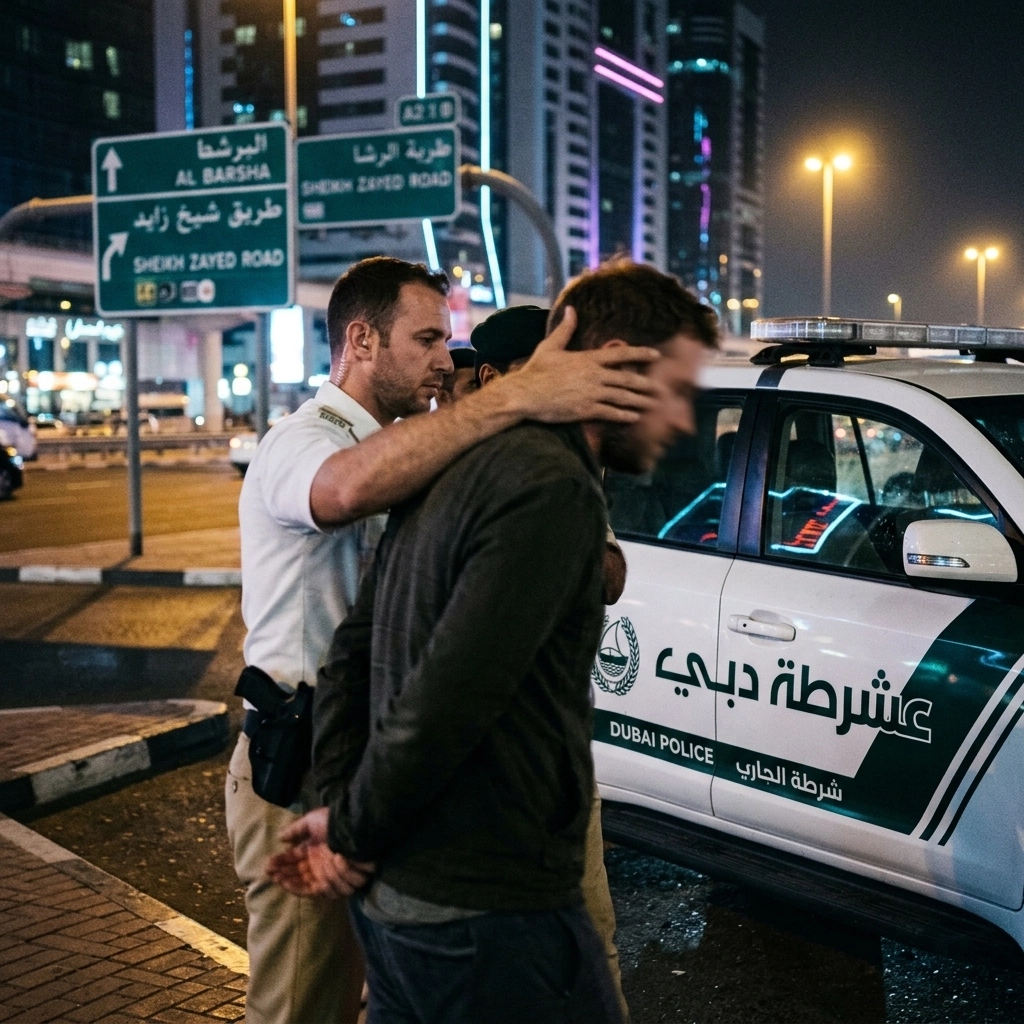
The sheer breadth of what the UAE authorities consider a "tech crime" is what’s really catching people out. We aren't just talking about professional photographers or activists here. We’re talking about regular people. According to advocacy groups like Detained in Dubai, the police aren't just looking for people filming in the streets; they are actively searching phones in public spaces. If you’ve got footage of a strike on your device, you’re in trouble.
But it goes even deeper and more "tech-trap" than that. People have reportedly been arrested for simply forwarding a video in a private family WhatsApp group. Think about that for a second. You get a video from a friend, you send it to your mum to show her you’re okay or to let her know what’s happening, and suddenly you’re facing years in prison. There are even reports of people being picked up just for receiving an image and not deleting it immediately. It’s a level of digital surveillance that feels like it’s straight out of a dystopian novel.
One particularly heartbreaking case involves a 60-year-old tourist from London. He was just on holiday, saw missiles hitting the city, and did what anyone would do: he filmed it. Now, he’s facing up to two years in jail and a staggering £40,000 fine. Then there’s the British air steward who was detained for taking a photo of drone damage near the airport. These aren't criminals; they’re people who didn't realise that their smartphones were essentially "evidence lockers" for the local police. The law there is designed to control the narrative, and in the heat of a military crisis, that control becomes absolute.
The human cost behind the headlines
When we look at untold stories like this, we have to talk about the conditions these people are facing. It’s not just about the legal trouble; it’s about what happens once the door clicks shut. Those who have been caught in this net are being held in overcrowded conditions, and the stories coming out are pretty grim. We’re hearing about detainees being denied basic medication and being pressured to sign confessions written in Arabic: a language many of them don't speak or read.
Imagine the fear. You’re in a foreign country, you don’t understand the legal documents being shoved in front of you, and you’re told that if you don’t sign, things will get worse. Many of these cases are being treated as national security issues. In the UAE, that’s a heavy label that can carry sentences of up to 15 years. It’s a massive jump from a "silly mistake" with a camera to being branded a threat to the state.
The British Foreign Office has said they are providing consular support, but there’s only so much they can do when a country invokes its own national security laws. The expat community in Dubai, which used to be over 240,000 strong for Brits alone, has seen a massive exodus. About half have already left as the conflict escalated. For those who stayed, the environment has turned from a sun-soaked tax haven into a place where a single text message could end your career and your freedom. It’s a stark reminder that while technology makes the world feel smaller, the borders and the laws that govern them remain as rigid as ever.
Navigating the new normal in the Gulf
So, what does this mean for the future? If you’re a Brit living abroad or planning to travel, the old advice of "just be careful" doesn't really cut it anymore. We live in an age where our digital footprint is often more visible than our physical one. This tech trap is a perfect example of how local laws haven't just caught up with technology: they’ve weaponised it. For any "independent news uk" outlet, the priority is making sure people understand that the digital privacy we take for granted at home is a luxury that doesn't exist everywhere.
The advice being given to those still in the UAE is drastic: scrub your phone. Delete the WhatsApp groups, clear your photo gallery, and don't even think about opening a video that looks like it might show a military strike. It feels paranoid, but when the stakes are 15 years in an Abu Dhabi prison, paranoia is just common sense. The Emirati authorities are using these arrests to send a clear message: they will control how the world sees this conflict, and they don't care if a few dozen British tourists get caught in the crossfire.
It’s a tough situation for the UK government, too. Trying to maintain diplomatic ties while your citizens are being held in what many call "justice-denied" conditions is a narrow tightrope to walk. As we continue to follow this story, it’s clear that the "untold stories" of these 70 Brits are just the tip of the iceberg. There are likely many more people from other nations facing the exact same fate. For now, the best thing anyone can do is spread the word. If you know someone out there, tell them to put the phone away. No photo is worth your freedom.
The world is changing fast, and the way we interact with our tech is being used against us in ways we never expected. This isn't just a story about a war or a legal dispute; it's a story about how, in 2026, the device in your pocket can be your best friend or your worst enemy, depending on which side of a border you’re standing on. In the region, taking, storing, receiving or sharing digital content related to sensitive events can carry serious legal, financial and personal risks.