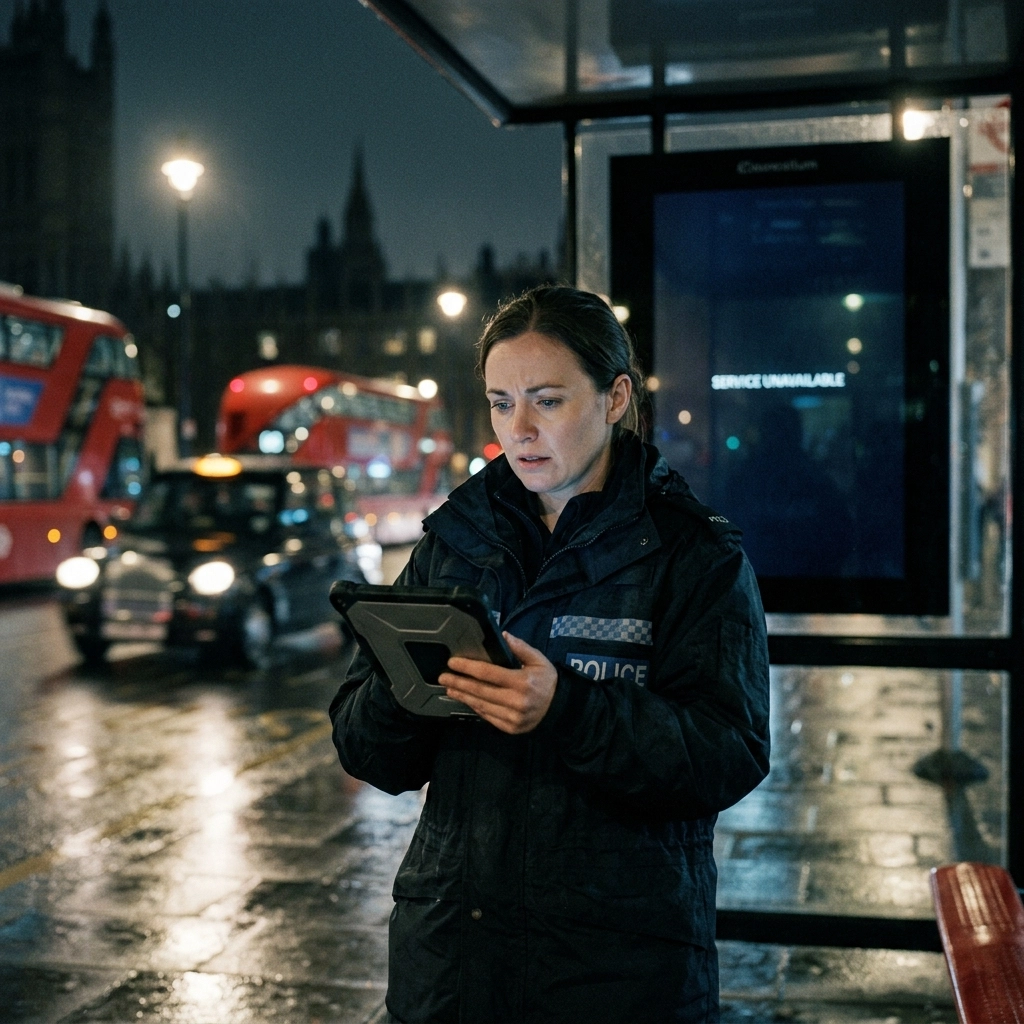
On a quiet Sunday in April 2023, millions of mobile phones across the United Kingdom emitted a sharp, siren-like wail. It was the first nationwide test of the government’s Emergency Alerts system, a tool designed to warn the public about life-threatening events such as severe flooding, fires, or extreme weather. For most, it was a momentary curiosity or a minor annoyance. For the government, it was a successful trial of a system that had been years in the making.
However, since that test, the system has remained largely silent. While we have seen amber weather warnings and local flood alerts, the high-level emergency broadcast has not been triggered for a live event. But silence does not mean there haven't been close calls. Behind the scenes, in the corridors of Whitehall and within the national safety monitoring centres, there have been several "near misses": moments where officials were seconds away from pressing the button that would send a message to every compatible device in the country.
At NowPWR, we believe in providing independent news UK citizens can rely on to understand what is happening behind the curtain. These untold stories of the warnings you never received offer a fascinating glimpse into how our national safety infrastructure operates and the difficult decisions made in the name of public order.
The Dilemma of Civil Unrest and Public Order
One of the most sensitive areas regarding the UK emergency alerts system involves civil unrest. During several periods of heightened tension and localized rioting over the last eighteen months, the Cabinet Office reportedly deliberated on whether to deploy a targeted emergency alert to residents in specific postcodes. The goal would have been to advise people to stay indoors and avoid certain flashpoints for their own safety.
The logic seems sound: if a situation is escalating faster than traditional media can report, a direct-to-phone alert could save lives and keep innocent bystanders out of harm’s way. However, the decision-making process is fraught with complexity. During these "near miss" events, officials expressed concerns that an alert might inadvertently act as a "rallying cry" for those involved in the unrest, or create a sense of panic that could overwhelm local police resources.
In one specific instance in northern England, a localized alert was drafted and ready to be sent. The message would have warned residents of an imminent risk to property and personal safety due to an escalating street confrontation. At the eleventh hour, the order was rescinded. The fear was that the loud, intrusive siren sound of the alert would escalate the anxiety of those already in a volatile environment, potentially making the situation worse. This highlights a recurring theme in national safety: the technology is ready, but the psychological impact of such a powerful tool remains a significant variable. As part of our commitment to independent news UK, we have seen how these internal debates often prioritise "stability" over "information," a balance that is constantly being recalibrated.
When Space Debris Threatened the Mainland
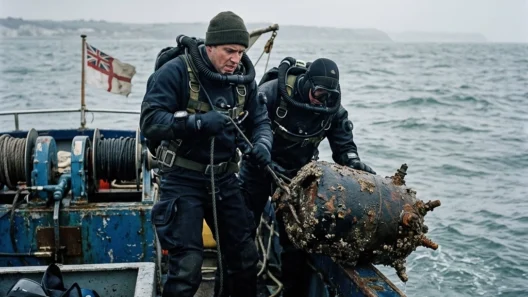
While we often think of emergency alerts in the context of weather or terror threats, some of the most dramatic "near misses" have come from much further afield. The tracking of orbital objects and space debris is a constant task for the Ministry of Defence and international partners. On two separate occasions in the last year, the UK’s emergency response teams were put on high alert due to the unpredictable re-entry of decommissioned satellite components.
Most space debris burns up in the atmosphere or falls into the vast expanse of the ocean. However, during one particular event, a large piece of debris was projected to potentially impact a corridor that included parts of Scotland and Northern England. The tracking data was updated every few minutes, and for a tense three-hour window, the emergency alert system was placed on standby.
The challenge with space debris is the narrow window for action. Officials had a pre-written message ready to go: "Emergency Alert: Risk of falling debris in your area. Seek shelter in a sturdy building and stay away from windows." Thankfully, the debris shifted trajectory in the upper atmosphere and eventually landed safely in the North Atlantic. Had it remained on its original course, millions of people would have received the first-ever "live" emergency alert for a space-related hazard.
These untold stories remind us that national safety covers a much broader spectrum than we might imagine. The government’s reluctance to trigger the alarm reflects a desire to maintain the "sanctity" of the alert. If it is used too often for events that don't materialise, the public may begin to ignore it: the classic "boy who cried wolf" scenario. Yet, for those monitoring the skies, the threat was very real, and the finger was hovering over the button.
The Technical Hurdles and the Missing Millions
Even when the government decides to send an alert, there is no guarantee it will reach everyone. During the 2023 test, it was estimated that roughly one in ten people who should have received the alert did not. Since then, technical teams have been working to understand the gaps in the network, particularly in rural areas or places with older telecommunications infrastructure.
The Emergency Alerts service doesn't work like a standard text message. It uses a cell broadcast system, which means it doesn't need your phone number. It simply sends a signal to every compatible 4G and 5G mast in a specific area. If your phone is switched off, on airplane mode, or only connected to a 2G or 3G network, you won't get the warning. This creates a significant challenge for national safety: how do you protect the most vulnerable who may be using older technology or living in "not-spots" of connectivity?
There have been instances where local authorities wanted to use the system for severe localized flooding but were advised against it because the "granularity" of the masts didn't align perfectly with the flood zones. They feared they would alert thousands of people who were perfectly safe, while missing those in the high-risk areas due to signal shadows. This technical limitation is one of the primary reasons we haven't seen more frequent use of the system.
Furthermore, accessibility remains a major talking point. For those with visual or hearing impairments, the alert is designed to use specific vibrations and text-to-speech features. However, in "near miss" reviews, it was noted that some third-party accessibility apps interfered with the system's ability to override silent modes. Ensuring that every citizen, regardless of their device or physical ability, receives these warnings is a mammoth task that is still very much a work in progress.
As we look toward the future, the UK emergency alerts system will undoubtedly become a more integrated part of our lives. But as it stands, it remains a "break glass in case of emergency" tool that the government is extremely hesitant to use. The stories of the alerts that were never sent show a system that is technologically capable but politically and psychologically cautious.
Maintaining a transparent view of these systems is vital. The public deserves to know not just how the system works, but when and why the government considers using it. Whether it is a riot on our doorstep or a satellite falling from the stars, the infrastructure of our safety is constantly being tested, often without us ever knowing. At NowPWR, we will continue to bring you the independent news UK residents need to stay informed about the hidden mechanisms that keep the country running.
The next time your phone makes that unmistakable sound, you will know that it isn't just a test: it is the result of a complex, high-stakes decision-making process that has already been rehearsed behind closed doors many times before. The warnings you didn't get are just as important as the ones you do, as they reveal the true threshold of what our leaders consider a national emergency.