





Lindsay and Craig Foreman, both 53, set out from their home in the United Kingdom with a singular, ambitious goal: to ride their motorcycles from Europe to Australia. It was intended to be the journey of a lifetime, a transcontinental adventure documented for family and friends. However, that dream transitioned into a diplomatic nightmare in January 2025 when the couple was intercepted by Iranian authorities. Now, they face a decade behind bars in one of the world’s most notorious correctional facilities, accused of crimes their family insists they did not commit.
The Foremans were arrested while traversing Iran, a common route for long-distance overland travellers, but one that has become increasingly perilous for Western nationals. After months of uncertainty, the couple was sentenced to 10 years in prison on charges of espionage. The Iranian judiciary alleged that the pair were spying for the Israeli Mossad and the British government. These accusations have been vehemently denied by the couple and their legal representatives, who describe the charges as entirely unsubstantiated and politically motivated.
A Dream Journey Ends in a Tehran Courtroom
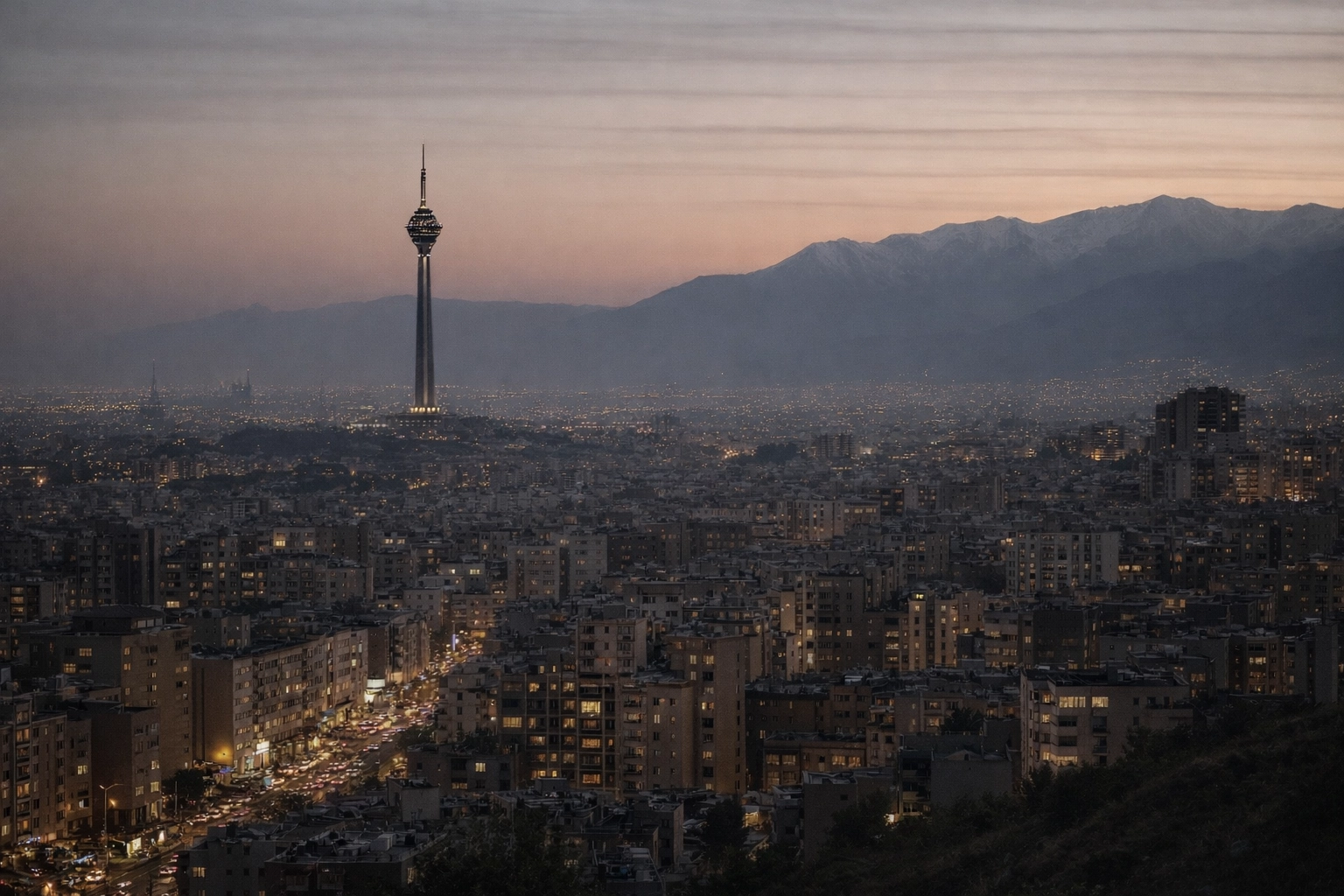
The legal proceedings that led to the 10-year sentence have been described by human rights observers as a "travesty of justice." The trial of Lindsay and Craig Foreman reportedly lasted a mere three hours. During this brief window, the couple was allegedly barred from presenting a formal defence or providing evidence to counter the state’s claims. The speed of the trial and the lack of transparency are hallmarks of Iran’s Revolutionary Courts, which handle cases involving national security and perceived threats to the Islamic Republic.
The severity of the sentence has sent shockwaves through the diplomatic community. At 10 years, the term is double that which was handed to Nazanin Zaghari-Ratcliffe, the British-Iranian dual national whose detention sparked a years-long diplomatic stand-off between London and Tehran. The Foreman case suggests a hardening of the Iranian judiciary’s stance toward British nationals, particularly as regional tensions continue to escalate.
Adding to the complexity of the legal situation is the disappearance of the couple’s state-appointed lawyer. Reports indicate that the legal representative has since fled Iran, leaving the Foremans without professional guidance. It remains unclear whether the couple’s appeal was ever officially lodged or processed before the Iranian court system faced significant disruptions due to the widening Middle East conflict. With the judicial infrastructure under physical and administrative strain, the path to a legal remedy appears increasingly blocked.
The context of their arrest in January 2025 coincides with a period of heightened friction between Iran and the West. Travellers are often caught in the crossfire of international relations, used as "diplomatic leverage" in broader negotiations. For the Foremans, their motorcycle trip: meant to be a celebration of freedom: has become a symbol of the dangers facing Westerners in the region.
Evin Prison: A Facility Under Direct Threat
The Foremans are currently being held in Tehran’s Evin Prison, a facility long synonymous with the detention of political prisoners and foreign nationals. While Evin has a reputation for harsh conditions and rigorous interrogation tactics, the current situation has reached what the family describes as "life-threatening" levels. The prison is not only grappling with chronic overcrowding but has recently become a literal front line in the ongoing conflict between Iran, Israel, and the United States.
During recent military operations, Evin Prison was reportedly shaken by nearby strikes. Bombs detonating in the vicinity caused significant structural damage to the wings where foreign detainees are held. Witnesses reported windows shattering and plaster falling from the ceilings as the building vibrated from the impact of the explosions. The psychological toll on the inmates, who are unable to seek shelter or flee the targeted areas, is said to be immense.
The physical conditions inside the prison have deteriorated alongside the security situation. Basic necessities such as clean water, adequate food, and medical supplies are in increasingly short as the Iranian economy buckles under the weight of sanctions and war footing. For the Foremans, who are both 53, the lack of medical care and the constant threat of kinetic military action have made their daily existence a battle for survival.
Reports from within the prison suggest that the couple is now considering a hunger strike. This desperate measure is often the only tool available to prisoners seeking to draw international attention to their plight. However, in a facility already facing shortages, a hunger strike carries extreme risks to their long-term health. The couple's son, Joe Bennett, has expressed grave concerns that his parents may not survive the duration of their sentence if they remain in Evin under the current conditions.
The Fight for Freedom Amidst Global Conflict
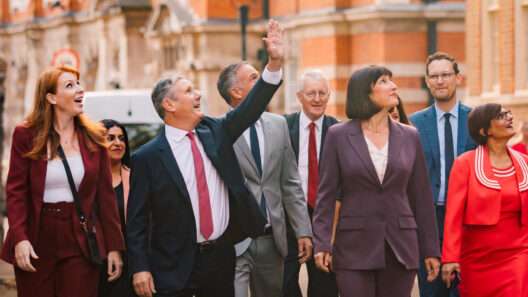
In the United Kingdom, Joe Bennett has become the primary advocate for his parents, launching a public campaign to secure their release. Bennett has been vocal in his criticism of the British government’s handling of the case. He has specifically named Prime Minister Keir Starmer and Foreign Secretary Yvette Cooper, alleging that the Foreign, Commonwealth & Development Office (FCDO) has failed to provide adequate support or high-level advocacy.
According to Bennett, his letters and petitions to the highest levels of the UK government have gone largely unanswered. The family feels abandoned by the state at a time when British consular staff were evacuated from Iran just before the latest flare-up in hostilities. Bennett claims the family was not notified of the consular departure, leaving them without a direct line of communication to British officials on the ground in Tehran.
The geopolitical landscape further complicates the rescue efforts. As the British government manages domestic pressures and international alliances, the Foreman case risks being overshadowed by larger military and economic concerns. Discussions regarding the cost of conflict and the stability of the region often take precedence over individual consular cases in the public eye.
Seeking alternative avenues for help, Bennett recently travelled to Washington D.C. to address the Transatlantic Conference on Hostage-Taking and Arbitrary Detention. During his trip, he appealed directly to the US administration, including requests for the protection of Evin Prison from future military strikes. The family is hoping that international pressure, combined with high-level diplomatic intervention, might force a breakthrough.
The Foreman case highlights the extreme risks of "hostage diplomacy" in the 21st century. As regional instability grows, the safety of UK nationals abroad becomes increasingly difficult to guarantee. For Craig and Lindsay Foreman, the focus remains on surviving the immediate threats within the walls of Evin Prison while their family fights a uphill battle against diplomatic silence and the fog of war.
The British government has stated it is "closely monitoring" the situation and providing support to the family, though for Joe Bennett and his parents, these words offer little comfort as the conflict in the Middle East shows no signs of abating. The situation remains fluid, with the couple's health and safety hanging in the balance as they wait for a diplomatic resolution that seems further away than ever.