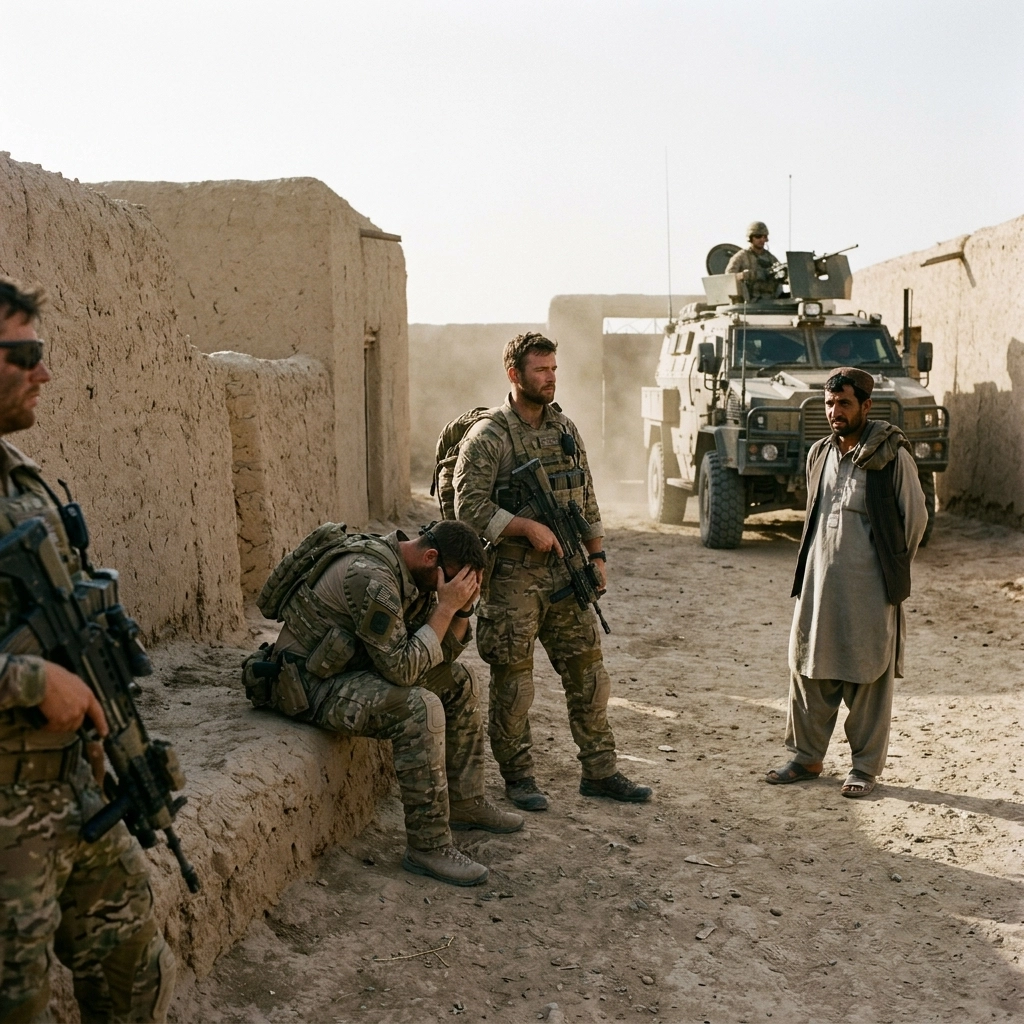
For a long time, the actions of elite units in the British military were shrouded in almost total secrecy. While the public understands that special operations require a certain level of discretion, recent revelations have brought some incredibly heavy details to light. We are talking about the UK special forces and their operations in Afghanistan between 2010 and 2013. For those of us following independent news UK, these untold stories are finally starting to paint a full, if deeply unsettling, picture of what was happening on the ground during some of the most intense years of the conflict.
The core of the issue revolves around an alleged unofficial policy that essentially gave a green light to target "fighting-aged males," regardless of whether they actually posed a threat at the time. It is a topic that sits heavily with anyone who values the legal and ethical standards our armed forces are supposed to uphold. At NowPWR, we believe in looking at these complex issues directly, ensuring that the facts are laid out clearly so we can all understand the gravity of the situation.
The Chilling Reality of the Kill Policy
The details emerging from the Afghanistan inquiry are, frankly, hard to stomach. According to documents that have been disclosed, there was a memo circulating back in April 2011 that should have set off alarm bells at the highest levels. This memo, written by a commanding officer referred to as N1785, was sent directly to the Director of Special Forces. It detailed a horrifying claim: that an unofficial policy existed within certain units to kill "fighting-aged males" on target, even if they weren't showing any immediate signs of aggression or posing a risk to the troops.
This wasn't just about split-second decisions in the heat of battle. The memo suggested something far more systematic. It pointed to instances where individuals were allegedly killed after they had already been restrained. To make matters worse, there were reports of evidence being fabricated after the fact: such as placing weapons near bodies: to make it look like a lawful killing in self-defence. This practice of using "drop weapons" is a serious violation of the rules of engagement and international law.
When we talk about "untold stories" in the context of the UK special forces, this is exactly the kind of thing that stayed hidden for over a decade. The idea that elite soldiers, who represent the pinnacle of British military training, might have been operating under a "kill wherever possible" mindset is a massive departure from the values they are supposed to defend. It raises huge questions about the culture within these units at the time and how such a mindset could even take root.
Internal Alarms and the Lack of Oversight
It turns out that some people within the system did try to raise the red flag. The Assistant Chief of Staff for Operations at the UKSF headquarters expressed major concerns about what he described as "indefensible ethical and legal behaviour." He wasn't just speaking in generalities; he pointed to specific missions that looked completely wrong on paper. In one instance, a squadron killed 17 people during a series of raids but only recovered seven weapons. He noted that this was totally disproportionate and suggested the unit was effectively "out of control."
You might think that such a damning assessment from a senior officer would lead to an immediate, full-scale investigation by the military police. However, that’s not quite what happened. Instead of calling in the Royal Military Police (RMP): which is actually a legal requirement under the Armed Forces Act 2006: the Director of Special Forces opted for an internal review of tactics and procedures. By keeping it "in-house," the opportunity for a truly independent and transparent investigation was delayed for years.
This lack of immediate oversight is a central theme of the Afghanistan inquiry. It suggests a culture where protecting the reputation of the unit was prioritised over the rule of law. There are even claims that investigating officers from the RMP later found that evidence, including computer records, had been deliberately deleted. This potential cover-up is just as disturbing as the initial allegations because it suggests a breakdown in accountability that goes all the way to the top. When the people responsible for enforcing the rules are the ones potentially breaking them, the entire system of military justice is called into question. You can read more about how we handle sensitive information in our editorial standards and ethics policy.
The Path to the Independent Inquiry
The road to the Independent Inquiry Relating to Afghanistan was a long one, driven by whistleblowers, investigative journalists, and the persistence of the families of those killed. It wasn't until January 2025 that the inquiry really began to lay bare the scale of the problem. By looking at classified military records and listening to the accounts of those who were there, the inquiry has been able to piece together a timeline of approximately 80 unlawful killings that occurred between 2010 and 2013.
The impact of these findings goes beyond the specific incidents in Helmand Province. It hits at the heart of the UK's reputation on the world stage. For a country that prides itself on the "rule of law" and high military standards, these revelations are a wake-up call. The inquiry has provided a platform for survivor testimonies, giving a voice to those whose stories were ignored for years. These are the real-world consequences of policies that devalue human life in the pursuit of operational "success."
As we look forward, the hope is that this inquiry leads to genuine accountability. It's not just about finding who was responsible for the killings, but also who was responsible for the silence that followed. The military is an institution built on trust: the trust of the public and the trust of the soldiers in their leadership. When that trust is broken by unofficial policies and the deletion of evidence, it takes a lot of work to win it back.
At NowPWR, we believe that staying informed about these issues is vital. Whether it's through our about page or our deep dives into current affairs, we want to make sure you have the context needed to understand why these stories matter. The Afghanistan inquiry isn't just a look at the past; it's a necessary step for the future of the British military and its commitment to international standards.
The disturbing nature of these reports reminds us why independent news UK is so important. Without the freedom to investigate and the bravery of those willing to speak out, these policies might have remained "unofficial" secrets forever. The stories of those affected deserve to be told, and the lessons from this period of history must be learned if we are to ensure that such "indefensible" behaviour never happens again.
The evidence presented to the inquiry highlights a dark chapter in the history of the UK special forces. While the bravery of many who served in Afghanistan is not in question, the alleged actions of a few: and the failure of leadership to address them: have left a lasting mark. As the legal process continues and more facts come to light, the focus remains on ensuring that justice is served for all involved and that the standards we hold our forces to are more than just words on a page.