The sheer scale of financial crime in the United Kingdom has been laid bare following the conclusion of one of the most significant investigations in the history of the National Crime Agency (NCA). Known as Operation Destabilise, this massive effort has successfully dismantled a billion-pound money laundering network that operated across the length and breadth of the country. For those who follow independent news uk, the revelation of this network represents a watershed moment in the ongoing battle against organised crime. It isn't just about the figures; it is about the intricate, untold stories of how street-level crime feeds into high-level international power plays.
The operation has revealed that this wasn't a small-time setup. This was a sophisticated, multi-layered criminal enterprise that managed to bridge the gap between local drug trafficking and global sanctions evasion. By laundering money on behalf of some of the world’s most dangerous criminal groups, the network ensured that the proceeds of drug smuggling, firearms trafficking, and human smuggling were effectively "cleaned" and moved into the legitimate financial system. The sheer geographical reach was staggering, with the NCA identifying active cells in at least 28 different UK cities and towns.
At the heart of the investigation is a story of two competing but sometimes collaborative networks. These organisations, known as "Smart" and "TGR," were the engines behind the movement of billions of pounds. While the general public often views money laundering UK as a victimless white-collar crime, Operation Destabilise shows that it is the lifeblood of violent street crime. Without the ability to hide their profits, these gangs would find it much harder to operate. This investigation has pulled back the curtain on how these groups functioned, from the couriers carrying bags of cash on British motorways to the digital vaults of cryptocurrency exchanges.
The Massive Scale of Operation Destabilise
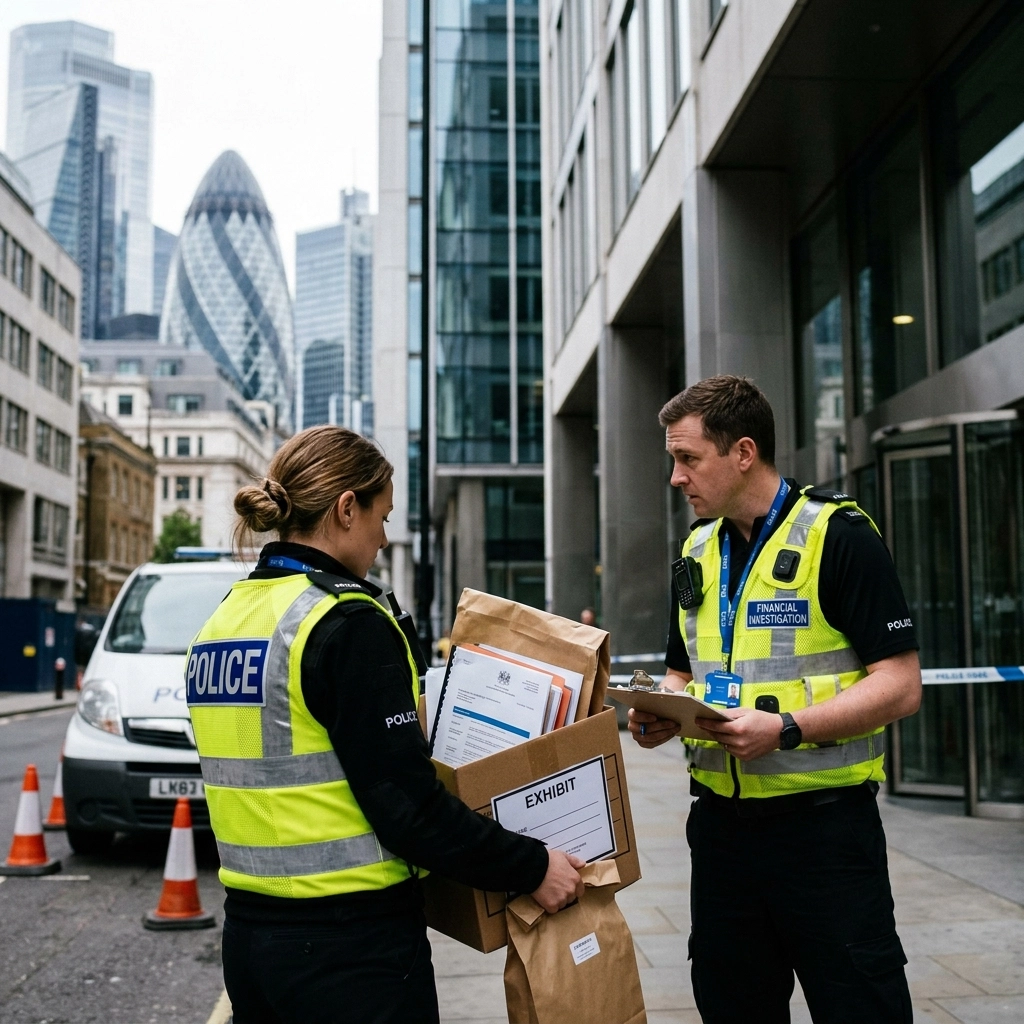
Operation Destabilise was not an overnight success. It was the result of years of painstaking surveillance, undercover work, and international cooperation. The National Crime Agency worked alongside partners in dozens of countries to track the flow of illicit funds. What they found was a network so deeply embedded that it had become a pillar of the global shadow economy. Since the operation began, authorities have made 128 arrests and seized more than £25 million in physical cash and cryptocurrency within the UK alone. However, these seizures represent only a fraction of the total volume handled by the network, which is estimated to be in the billions.
The "Smart" network was reportedly led by Ekaterina Zhdanova, a Russian national who is currently in pre-trial detention in France. Her organisation specialised in helping wealthy clients, particularly those from Russia, move assets out of their home country and into the Western financial system. This became particularly lucrative following the invasion of Ukraine and the subsequent imposition of heavy financial sanctions. The "TGR" network, led by Georgy Rossi, operated on a similar scale, providing laundering services for transnational crime groups involved in high-stakes cybercrime and drug trafficking.
One of the most shocking elements of this case is how these networks used traditional business structures to mask their activities. They weren't just using offshore accounts in the Caribbean; they were operating right in the middle of British high streets. By using "mules" to deposit small amounts of cash into thousands of different bank accounts: a process known as "smurfing": they were able to avoid triggering the automated red flags used by most major banks. This level of organisation requires a high degree of discipline and a vast pool of human resources, illustrating the professionalisation of modern criminal enterprises.
The Connection Between Street Crime and Global Conflict
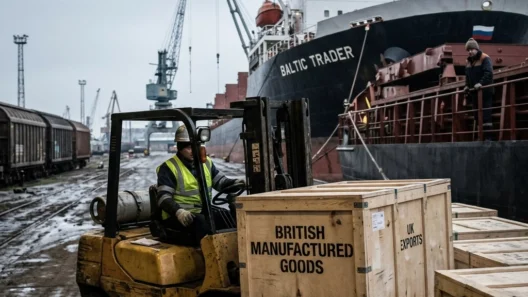
Perhaps the most disturbing aspect of Operation Destabilise is the discovery of how domestic UK crime was linked to international military efforts. The investigation found that a company linked to Georgy Rossi purchased Keremet Bank in Kyrgyzstan. This wasn't a standard investment; it was a strategic move to facilitate cross-border payments on behalf of Promsvyazbank, a Russian state-owned bank that is heavily involved in supporting the Russian military industry. By controlling a bank in a third country, the network could bypass international sanctions, allowing Russian state actors to continue purchasing necessary components and equipment for their military operations.
This connection highlights the "untold stories" of the financial world, where the profit from a drug deal in a quiet UK town might eventually end up funding a foreign military. It bridges the gap between local policing and national security. The NCA's findings suggest that the network acted as a financial bridge, allowing criminal cash from the UK's illegal drug markets to be converted into legitimate-looking assets that could be used for state-sponsored activities. This underscores the importance of the work done by the NCA and the need for rigorous adherence to editorial standards when reporting on such complex geopolitical issues.
The mechanics of this laundering were remarkably efficient. Criminals would collect cash from street sales and deliver it to "collection points" in various UK cities. From there, the money would be processed through the "Smart" or "TGR" networks. Often, the cash would be used to purchase high-value goods or cryptocurrency, which could then be moved across borders instantly and with relative anonymity. This seamless integration of physical crime and digital finance made the network incredibly resilient to traditional policing methods, requiring the specialised digital forensics teams of the NCA to crack the case.
A New Era for Financial Policing in the United Kingdom
The fallout from Operation Destabilise is expected to continue for years as the legal system processes the sheer volume of evidence gathered. This case has served as a wake-up call for the UK's financial sector and its regulators. It has demonstrated that the existing systems for monitoring money laundering UK are not infallible and that criminal organisations are constantly innovating to stay one step ahead of the law. The move towards cryptocurrency has been a particular challenge, as it allows for the rapid movement of funds without the need for traditional intermediaries.
However, the success of this operation also shows that the authorities are catching up. By focusing on the infrastructure of money laundering rather than just the individual crimes, the NCA has been able to deal a much more significant blow to organised crime. When you take away the ability to move money, you take away the primary motivation for most criminal activity. The seizure of millions in assets is a start, but the real victory lies in the disruption of the networks themselves. For a company like NowPWR, which prides itself on bringing important stories to light, this case is a reminder of the hidden complexities of the modern world.
The international cooperation seen in this case: involving agencies from the US, France, and several Central Asian countries: sets a new precedent for how global crime should be tackled. As criminals become more globalised, law enforcement must follow suit. The recovery of an additional $24 million and over €2.6 million by international partners demonstrates the effectiveness of this collaborative approach. Moving forward, the focus will likely shift toward tighter regulation of the cryptocurrency market and more stringent vetting for the acquisition of foreign banks by companies with UK ties.
The exposure of the billion-pound network through Operation Destabilise marks a significant turning point in the UK's approach to financial crime. It has revealed the deep connections between domestic criminal activity and global geopolitical manoeuvres, proving that no drug deal is too small to have international consequences. As the legal proceedings against the leaders of the "Smart" and "TGR" networks continue, the information gathered will undoubtedly lead to further investigations and a better understanding of the shadow economy.
The National Crime Agency has made it clear that this is just the beginning. The sophisticated techniques used to track these funds are being refined and will be used to target other networks that think they are invisible. The battle against money laundering is an ongoing struggle, but the success of Operation Destabilise provides a blueprint for how to protect the integrity of the UK's financial system. Ensuring that the public remains informed about these developments is a core part of the mission for those dedicated to independent news uk. By shedding light on these dark corners of the economy, we can foster a more transparent and secure society for everyone.