



The British High Street is currently undergoing its most significant structural transformation in decades, as 2026 data reveals a deepening divide between resilient metropolitan centres and struggling regional hubs.
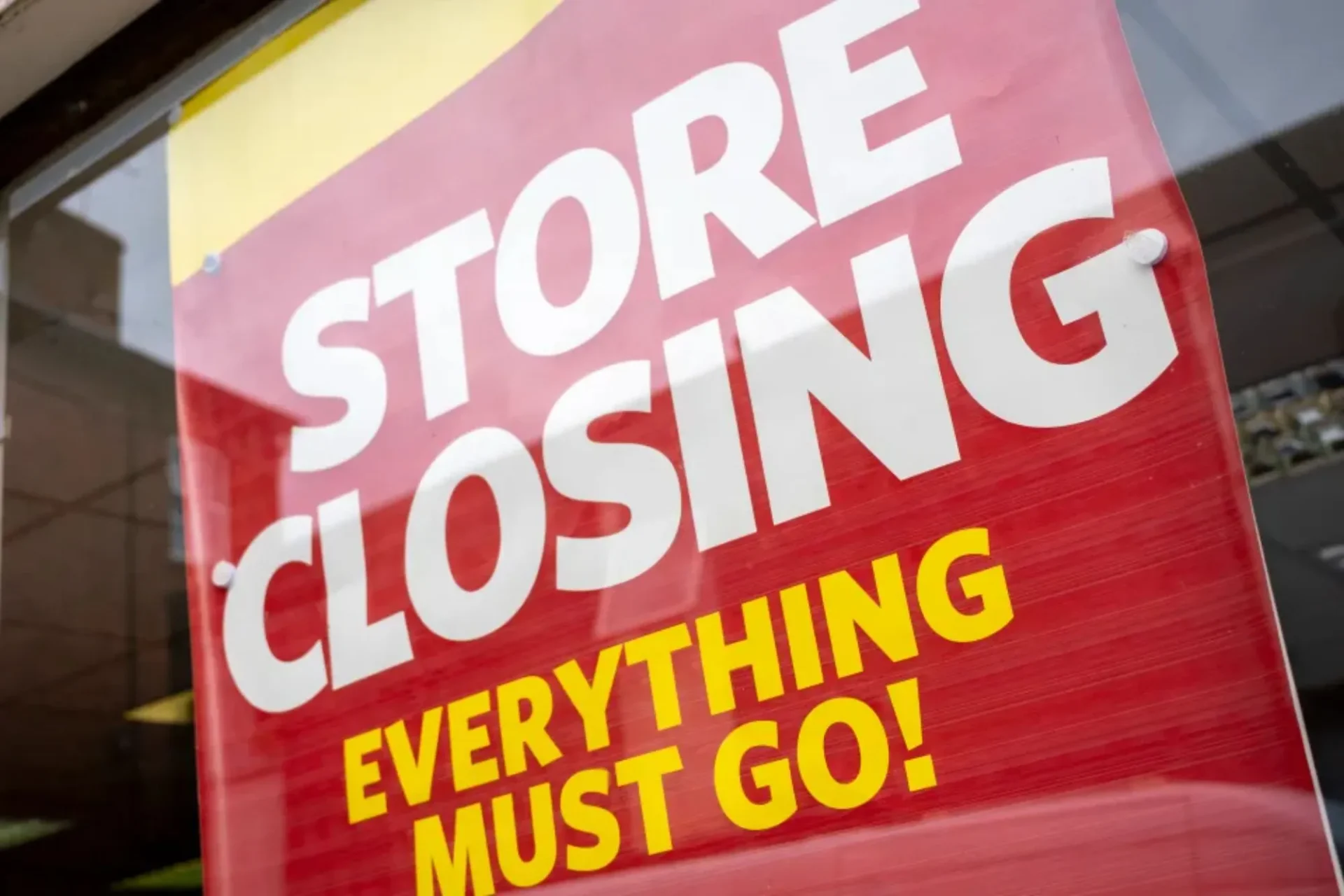
Recent figures indicate that the net decline of physical storefronts continues at a rate of approximately 12 per day across Great Britain. While the appetite for physical retail persists, the economic viability of maintaining a traditional shopfront is being challenged by a combination of shifting consumer habits and escalating operational overheads.
In the first half of 2024, approximately 6,945 stores closed their doors, averaging 38 closures daily. During the same period, only 25 new outlets opened each day, highlighting a persistent gap that local authorities are struggling to bridge.
Despite the digital surge of the last decade, physical retail remains the primary engine for consumer spending. Statistics confirm that two-thirds of all products are still purchased in physical shops, yet the infrastructure supporting these transactions is fraying under the weight of fiscal pressures.
As of March 2026, the retail sector is preparing for a significant tax adjustment scheduled for next month. This looming deadline has created a climate of uncertainty for independent business owners and major chains alike, as the "real cost" of the High Street becomes increasingly difficult to justify on a balance sheet.
The split high street: London vs everyone else
The state of the UK's High Street has become a primary barometer for the country’s broader economic health, reflecting a stark regional inequality that continues to widen.
Research into commercial vacancy levels demonstrates a direct correlation between local income levels and the survival of physical retail. For every one percent increase in local income, High Streets typically see a 0.8 percent drop in vacancy rates, creating a self-reinforcing cycle of prosperity or decline.
This correlation has resulted in a "two-tier economy" where affluent areas maintain vibrant commercial centres while lower-income communities face deteriorating landscapes. London currently maintains a High Street closure rate of approximately 7.4 percent, the lowest in the country.
In contrast, industrial and coastal towns in the North and Midlands are experiencing significantly higher levels of commercial distress. Bradford, Stoke, and Wigan have reported closure rates as high as 16 percent, more than double the rate seen in the capital.
This regional disparity suggests that the High Street is no longer a uniform entity but a series of fragmented markets dictated by local purchasing power. As wealth concentrates in specific geographic pockets, the untold story of the British High Street is one of geographic exclusion.
Empty storefronts in lower-income areas do more than reduce shopping options; they lower property values in the surrounding area and reduce the local tax base. This reduction in revenue further limits the ability of local councils to invest in the public realm, leading to a visible decline in town centre maintenance.
The social fabric of these towns is often tied to the activity of the High Street. When a local "anchor" store: such as a major department store or a long-standing independent retailer: closes, the resulting drop in footfall often triggers a "domino effect" on smaller, adjacent businesses.
This cycle of vacancy and secondary closure is particularly evident in the North of England, where many town centers have seen footfall remain 15-20% lower than pre-pandemic levels. The lack of recovery in these areas points to a permanent shift in how regional populations interact with their local commercial hubs.
The costs rising faster than footfall
As the UK enters the second quarter of 2026, the retail sector is facing an unprecedented surge in operational costs that threatens the survival of thousands of businesses.
The British Retail Consortium has estimated that recent adjustments to National Insurance contributions will cost the retail sector an additional £2.3 billion annually. This financial pressure is being felt most acutely by consumer-facing industries, which are already operating on thin margins.
Leisure and cultural activities have seen the steepest increase in critical financial distress, rising by 96.7 percent year-on-year. This is followed closely by the hotel and accommodation sector at 92.5 percent, and general retailers at 85.6 percent.
By the end of 2025, nearly 2,000 general retailers and over 1,000 bars and restaurants were categorised as being in "critical distress." This status indicates a high probability of insolvency within the following twelve months unless significant restructuring or capital injection occurs.
The situation is expected to intensify in April 2026 due to property tax reforms. These changes are projected to trigger a £600 million surge in costs for businesses across the country.
For high-value locations such as London’s West End, the impact is particularly severe. Average property tax increases in these areas are estimated to reach £182,727 per property. While these flagship locations often have higher turnover, the scale of the increase is forcing many brands to reconsider their physical footprint.
Independent retailers, who lack the capital reserves of multinational chains, are the most vulnerable to these tax shifts. Many small business owners report that the combination of rising wages, energy costs, and business rates has made the "cost of doing business" higher than the potential for profit.
The "stealth squeeze" on the High Street is also being driven by the rising cost of logistics and supply chain management. Even as inflation in some sectors cools, the fixed costs of maintaining a physical presence: rent, rates, and utilities: remain historically high.
This fiscal environment has led to a rise in "dark stores" and distribution centres replacing traditional retail units. While this supports the e-commerce economy, it contributes to the "hollowing out" of town centres, as buildings designed for human interaction are converted into logistics hubs.
What closures do to jobs, services and community
Beyond the economic data points, the decline of the High Street represents a significant loss of social capital and community infrastructure.
The High Street has traditionally served as a "third space": a place for social interaction outside of the home and the workplace. As storefronts are boarded up, these opportunities for spontaneous community engagement vanish, leading to increased social isolation, particularly among older populations.
The deterioration of town centers also has a psychological impact on residents. A High Street filled with empty units and "To Let" signs can create a sense of managed decline, reducing community pride and discouraging further local investment.
Furthermore, the rise of the gig economy and digital-first retail has changed the nature of local employment. Traditional retail jobs often provided stable, entry-level opportunities with predictable hours. The shift toward delivery-based commerce has replaced many of these roles with precarious, platform-based work.
The transition to a digital economy also risks excluding those who are not digitally literate or who lack access to high-speed internet. For these individuals, the closure of a local pharmacy, post office, or grocery store is not a minor inconvenience but a fundamental barrier to accessing essential services.
The environmental cost of the High Street’s decline is another factor often omitted from the national conversation. A move toward a centralized, delivery-based retail model increases the number of light goods vehicles on the road, contributing to congestion and urban air pollution.
In contrast, a thriving local High Street encourages "active travel," such as walking and cycling, and supports a more sustainable, circular economy through local repair shops and independent traders.
The "real cost" of High Street closure is therefore a multi-faceted issue encompassing economic, social, and environmental dimensions. As the UK navigates the fiscal challenges of 2026, the question remains whether the High Street can be reimagined as something more than just a place to buy goods.
Some local authorities are experimenting with "mixed-use" town centers, integrating residential units, health services, and educational facilities into former retail spaces. This approach aims to restore footfall by making the High Street a destination for services rather than just products.
However, the success of these initiatives depends on a fundamental shift in how the government taxes physical space versus digital operations. Until the playing field is levelled, the structural decline of the British town centre is likely to remain a defining feature of the national economy.