





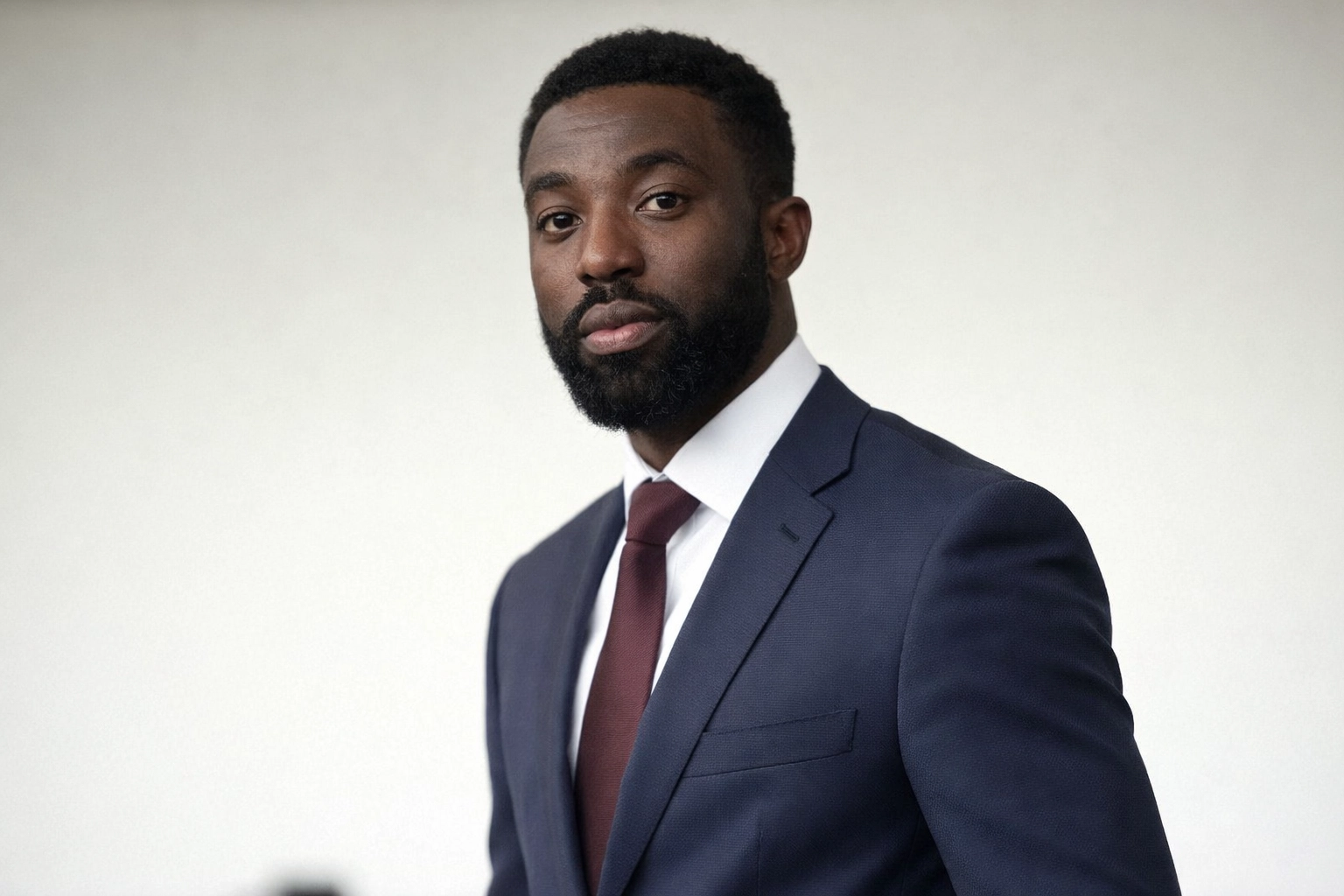
British actor Paapa Essiedu has been targeted with a sustained campaign of online harassment and explicit death threats following the announcement of his casting as Severus Snape in the upcoming HBO Harry Potter television series. The casting, which was confirmed earlier today, Monday 23 March 2026, has reignited a fierce debate surrounding diversity in major franchises and the increasingly volatile nature of modern fanbases.
Essiedu, an Emmy and BAFTA-nominated performer known for his standout roles in I May Destroy You and The Lazarus Project, is the first Black actor to take on the role of the brooding Potions Master. While the production was expected to bring a fresh perspective to the decade-long adaptation of J.K. Rowling’s novels, the response from certain sectors of the internet has been immediate and violent. Security experts and social media moderators have reported a surge in vitriolic content directed at the actor's personal accounts.
The abuse has reportedly escalated beyond creative disagreement, with Essiedu receiving specific threats of physical harm. Messages such as "quit or I'll murder you" have been flagged by safety teams, highlighting a dark side of digital fandom that has become increasingly prevalent in the mid-2020s. Despite the intensity of the backlash, industry insiders suggest that both the actor and the production giant HBO remain committed to the project.
A Wave of Online Hostility and Racist Abuse
The core of the controversy stems from a segment of the fanbase that insists on strict visual adherence to the original source material. In the Harry Potter novels, Severus Snape is described as having "pale white skin," a detail that critics of the casting have used to justify their opposition. However, the discourse has rapidly devolved from literary debate into blatant racism and coordinated harassment campaigns.
Digital forensic analysts have noted that the attacks on Essiedu are not isolated incidents but appear to be part of a broader trend of "review bombing" and "targeted trolling" that plagues high-profile casting decisions involving actors of colour. This phenomenon has previously affected productions such as The Rings of Power and The Little Mermaid, but the intensity of the threats against Essiedu has shocked even seasoned industry observers.
Social media platforms have struggled to contain the spread of the abuse. Despite the implementation of stricter AI-driven moderation tools in early 2026, racist slurs and threatening imagery continue to bypass filters. The psychological toll on performers is a growing concern for Equity, the actors' union, which has called for more robust protections for talent working on major intellectual properties.
Essiedu has remained largely silent on his personal social media channels since the announcement, though sources close to the actor indicate he was prepared for a degree of pushback. The sheer scale of the hostility, however, has necessitated a review of his personal security arrangements. The incident highlights a troubling reality where creative milestones are overshadowed by the radicalisation of niche online communities.
The Intersection of Ideology and Creative Control
The controversy is further complicated by the public stances of both the actor and the series' executive producer, J.K. Rowling. Essiedu has been a vocal supporter of the trans, non-binary, and intersex communities, recently signing an open letter in response to a UK Supreme Court ruling on biological sex definitions. This puts him at an ideological crossroads with Rowling, whose views on gender identity have been a point of contention for years.
Surprisingly, Rowling has publicly defended the casting of Essiedu. Addressing the backlash, she stated that she does not believe in "taking away people's livelihoods" based on their personal or legally protected beliefs. Her support for Essiedu, despite their differing views on social issues, has created a complex narrative that defies simple categorisation. It suggests a professional detente aimed at ensuring the success of the multi-billion dollar reboot.
HBO has also stood firm, issuing a statement that emphasises their commitment to finding the best talent for every role. The studio’s strategy appears to be one of "staying the course," refusing to let coordinated harassment dictate production schedules or casting choices. This approach is seen by many as a necessary stand against the "fan entitlement" that seeks to veto corporate decisions through intimidation.
The tensions between the cast and the original creator add a layer of scrutiny to the production that few other series face. For Essiedu, the role of Snape is not just a career-defining opportunity but a platform to explore themes of redemption and sacrifice: themes he believes are universal and not tied to the race of the performer. The actor has previously mentioned that the role holds personal significance, citing the character's journey from hatred to a form of tragic heroism.
Preserving Artistic Integrity Amidst Global Harassment
As the production prepares to begin principal photography later this year, the focus remains on whether the quality of the series can eventually silence the detractors. History suggests that while casting controversies are loud at the outset, they often fade if the performance is compelling. However, the introduction of death threats into the equation marks a dangerous escalation that the industry is still learning how to manage.
The "Harry Potter" brand remains one of the most valuable in the world, and HBO is betting heavily on the television format to revitalise the franchise for a new generation. By casting an actor of Essiedu’s calibre, the studio is signalling a departure from the aesthetics of the original films, which were defined by Alan Rickman’s iconic portrayal. Rickman’s Snape is deeply embedded in the cultural consciousness, making any successor’s job difficult, regardless of their background.
Industry analysts suggest that the toxicity surrounding the Snape casting could have a "chilling effect" on other actors of colour considering roles in established franchises. If the cost of a high-profile role is a barrage of death threats and racist abuse, many talented performers may choose to avoid these projects altogether. This would be a significant blow to the industry's ongoing efforts to achieve meaningful representation and diversity.
For now, the situation remains a test of resolve for all parties involved. Essiedu’s determination to stay with the project in the face of such extreme pressure has earned him widespread respect from his peers. The coming months will determine if the conversation can shift back to the art of storytelling, or if the shadow of toxic fandom will continue to loom over the wizarding world’s return to the screen.
The impact of this controversy is likely to be felt across the entertainment landscape for some time. It serves as a stark reminder that while technology has made the world more connected, it has also provided a megaphone for the most hateful elements of society. As the 23rd of March 2026 draws to a close, the focus remains on the safety of Paapa Essiedu and the resilience of the creative team behind the new series.