Peter Sullivan spent 14,113 days in a prison cell for a murder he did not commit. On May 13, 2025, the Court of Appeal finally quashed his conviction, marking the end of a 38-year nightmare that has been described as the UK’s longest-serving miscarriage of justice. Sullivan was 30 years old when he was first detained in connection with the brutal killing of a young woman in Merseyside. By the time he walked free, he was nearly 70, his youth entirely consumed by a legal system that failed him at every turn.
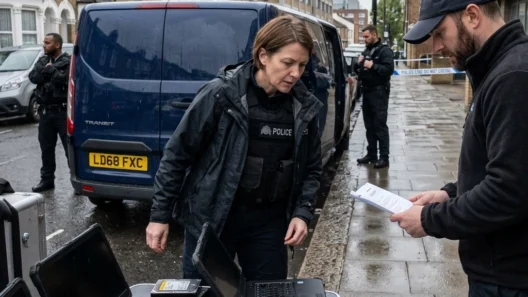
The investigation into the policing of the Sullivan case is now uncovering the layers of errors, overlooked evidence, and procedural flaws that kept an innocent man behind bars for nearly four decades. As forensic science advanced from primitive blood typing to sophisticated DNA sequencing, Sullivan’s pleas of innocence remained constant, yet they were ignored by the authorities for more than a generation. His case has sparked a national conversation regarding how the British justice system handles historical convictions and whether the safeguards in place are sufficient to prevent such catastrophic errors from recurring.
A flawed investigation and the 1987 conviction
The events that led to Peter Sullivan’s incarceration began on a dark night in August 1986. Diane Sindall, a 21-year-old florist and barmaid, was making her way home from a shift at a local pub in Bebington, near Liverpool. Her van had broken down, forcing her to walk the remaining distance. She never made it home. Her body was discovered the following day; she had been raped and beaten to death in a crime that shocked the local community and put immense pressure on the Merseyside Police to find the perpetrator.
Sullivan, then a 30-year-old local man, became the primary focus of the police investigation. Despite a lack of direct eyewitness evidence linking him to the scene at the time of the murder, the prosecution built a case based on circumstantial evidence and what was later described as a "flawed" series of police interviews. In 1987, a jury found him guilty of murder, and he was sentenced to life imprisonment. From the moment the handcuffs were first applied, Sullivan maintained that he was not the man responsible for the death of Diane Sindall.
The policing methods used during the mid-1980s have come under intense scrutiny in the wake of Sullivan’s exoneration. Investigators are now looking into the tactics employed during his interrogation and whether key evidence was suppressed or misinterpreted to fit a specific narrative. The pressure to solve high-profile murders often led to "tunnel vision" in historical cases, where police focused on a single suspect to the exclusion of all other possibilities. In Sullivan’s case, this tunnel vision resulted in a 38-year wait for the truth.
The technological breakthrough that changed everything
For decades, Sullivan’s case remained stagnant. He spent his days in various high-security prisons across the UK, consistently refusing to admit guilt: a stance that often hindered his chances of parole. In the eyes of the parole board, a refusal to admit a crime is often viewed as a lack of remorse or a failure to address offending behaviour. This "innocence trap" meant that Sullivan remained incarcerated far longer than many individuals who had actually committed similar crimes but admitted to them.
The turning point came in 2024, when forensic scientists utilised newly developed DNA technology to re-examine biological evidence recovered from the original 1986 crime scene. At the time of the trial in 1987, DNA profiling was in its absolute infancy and was not available for the types of semen samples recovered from Diane Sindall’s body. For years, these samples sat in storage, waiting for the science to catch up with the requirements of the case. When the tests were finally conducted using modern sensitive techniques, the results were definitive: the DNA did not match Peter Sullivan.
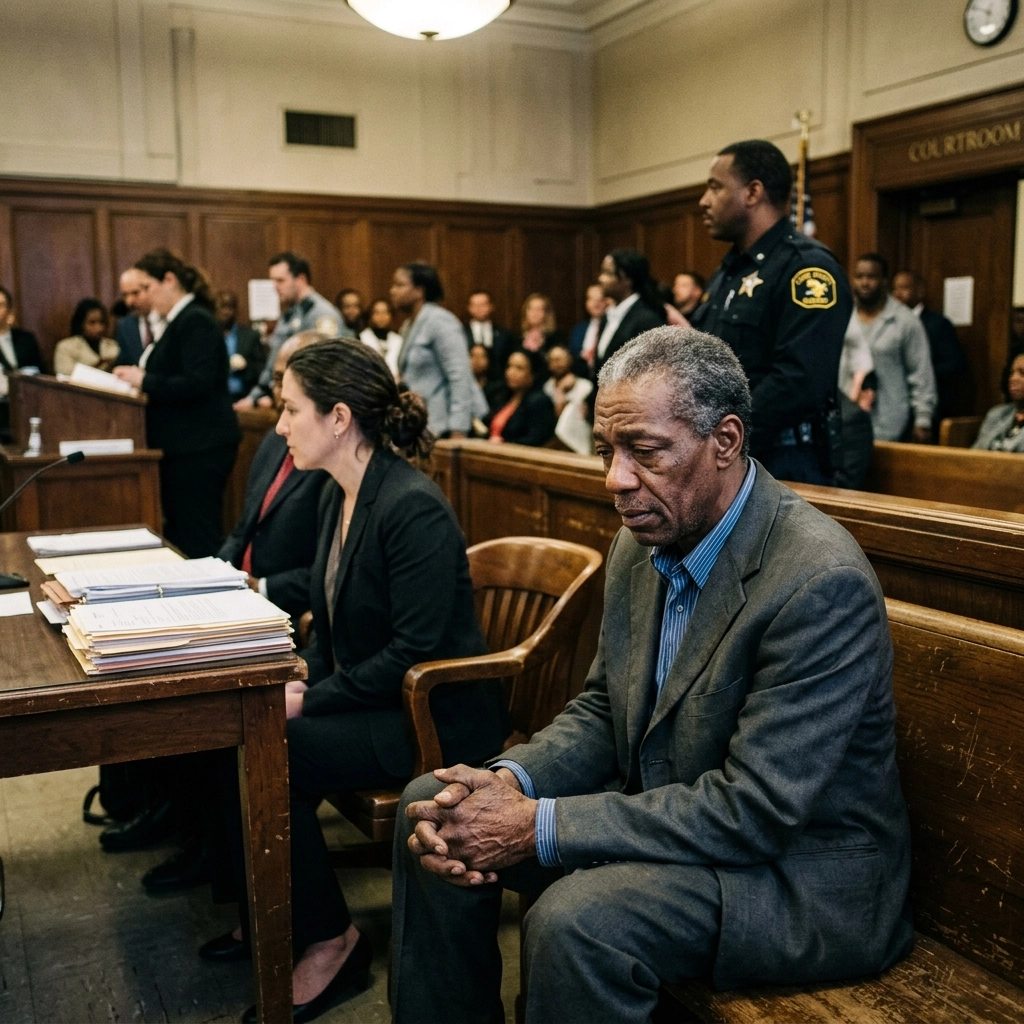
This biological revelation proved what Sullivan had been saying for nearly 40 years. The evidence was presented to the Court of Appeal in London, where judges heard that the forensic link was non-existent. The prosecution admitted that, in light of the new DNA findings, the original conviction was unsafe. On May 13, 2025, the judges officially quashed the conviction, and Sullivan was allowed to leave the court as a free man. The sheer length of his imprisonment: 38 years, seven months, and 21 days: makes this one of the most significant failures in the history of the British criminal justice system.
Analysing the systemic failures of British policing
The focus has now shifted from Sullivan’s release to the investigation into how such an error was allowed to persist for so long. There are growing demands for an independent inquiry into the Merseyside Police’s original investigation and the subsequent handling of the case by the Crown Prosecution Service. Questions are being asked about why it took until 2024 to test evidence that had been available for decades. The delay in applying modern science to historical cases is a systemic issue that suggests many other innocent individuals could currently be serving time for crimes they did not commit.
Sullivan’s legal team has highlighted that he was "stripped" of his life. He entered prison in the prime of his adulthood and emerged as an elderly man, having missed the deaths of his parents, the technological revolution, and the simple freedoms of daily life. The psychological toll of being wrongly accused of a heinous crime, while the actual perpetrator remained at large, is immeasurable. The failure is twofold: an innocent man was punished, and justice for Diane Sindall was delayed for nearly 40 years, as the true killer was never apprehended at the time.
The case also mirrors international trends in wrongful convictions, such as the recent exoneration of Maurice Hastings in California, who also served 38 years before DNA evidence pointed to the true killer. These cases highlight a global necessity for more robust post-conviction review processes. In the UK, the Criminal Cases Review Commission (CCRC) is the body responsible for investigating potential miscarriages of justice, but critics argue it is underfunded and too slow to act on complex cases.
As Peter Sullivan attempts to rebuild his life in a world that has changed beyond recognition since 1986, the investigation into his case continues. The focus remains on accountability: not just for the police officers who conducted the original investigation, but for a legal framework that allowed a man to be forgotten for 14,113 days. The quest for justice for Diane Sindall also remains open, as the DNA evidence that cleared Sullivan now provides a profile that could potentially identify the actual murderer through modern forensic databases. The Sullivan probe is not just about one man’s lost decades; it is a serious indictment of a system that, for 38 years, refused to look back at its own mistakes.