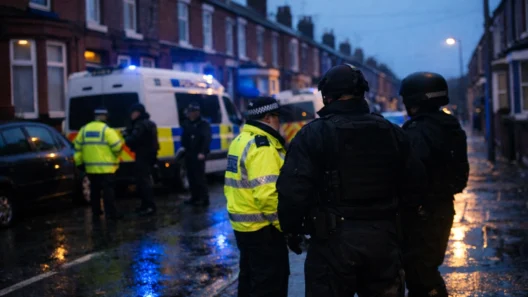
The Metropolitan Police say the investigation into the late Mohamed Al Fayed has moved forward, with detectives questioning three women under caution. Officers are looking at allegations of a sex trafficking and abuse network, and the spotlight is now shifting towards people suspected of helping the alleged activity continue.
As of March 2026, the scale is striking: the Met’s specialist crime command is assessing accounts from more than 150 survivors linked to Harrods and private residences over several decades.
The interviews suggest police are taking a closer look at alleged “enablers” and how recruitment and grooming may have worked in practice. For many years these were untold stories, kept quiet by NDAs and the influence around a major business figure. For readers following independent news uk, it’s also a reminder of why investigative journalism uk keeps digging when official answers are slow to arrive.
Metropolitan Police Question Three in Al Fayed Probe
Being questioned under caution signals investigators believe there are reasonable grounds to suspect possible offences. There are no charges at this stage, but police appear to be testing whether the evidence supports wider criminal lines of inquiry, including possible conspiracy allegations.
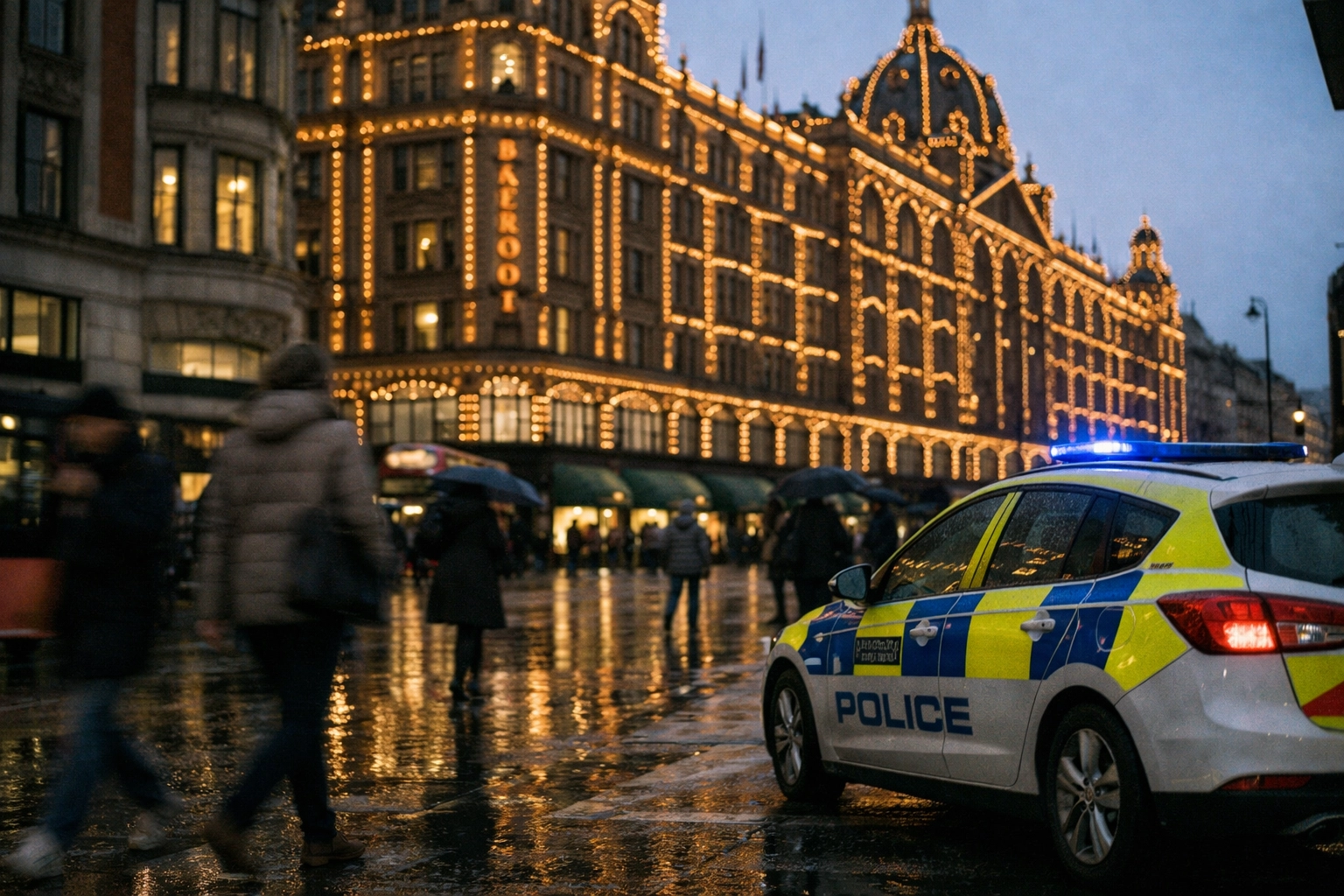
Detectives are examining the day-to-day set-up around Al Fayed, including the roles of personal assistants, security staff and senior figures during his time at the Knightsbridge department store. The key question is whether there was an organised effort to identify and recruit women for sexual exploitation, and who may have known about it.
Reports have also referenced claims of “medical examinations” and “vetting processes” being used to screen victims. Police are understood to be trying to establish who was present, who gave instructions and how decisions were made.
The Met says the investigation is not only about what happened in the past, but also what safeguards should have been in place to protect staff. The women questioned are thought to have held trusted positions, which is why their alleged involvement could be significant if prosecutors decide the evidence meets the charging threshold.
A Legacy of Silence and the £60 Million Settlement
Alongside the criminal inquiry, Harrods’ current ownership has set up a compensation scheme funded at more than £62 million for those who say they were harmed by the alleged abuse. It is designed to offer a quicker route to redress without a lengthy court case.
The deadline is 31 March 2026. Hundreds of women have applied, and reports indicate many awards could exceed £200,000, while also covering psychological support.
Lawyers say it is among the biggest schemes of its kind in the UK. But survivor advocates argue financial settlements are only one part of the picture, and that criminal accountability for any living enablers remains central. Police say 154 victims have registered claims with them, underlining the size and complexity of the case.
Al Fayed’s public legacy is now being reassessed in light of the allegations and the evidence being gathered. The renewed focus also highlights how independent news uk and investigative journalism uk have helped bring forward accounts that some people felt unable to share at the time, and pushed attention onto potential organisational failings as well as individual conduct.
For now, the story is still moving. Police say more interviews may follow as they work through the evidence, and the next decisions will hinge on what can be corroborated and proved.
The Path Ahead for Investigative Journalism UK
Cases like this show how long it can take for allegations to reach a point where formal investigations can test them in detail, particularly when power, money and legal pressure are involved.
For investigative journalism in the UK, the focus now is likely to stay on what systems failed, what warnings were missed, and how organisations respond when serious claims surface. It is also about tracking what happens next: charging decisions, safeguarding reforms, and whether survivors feel the process is transparent and fair.
The story is continuing, and so is the scrutiny.