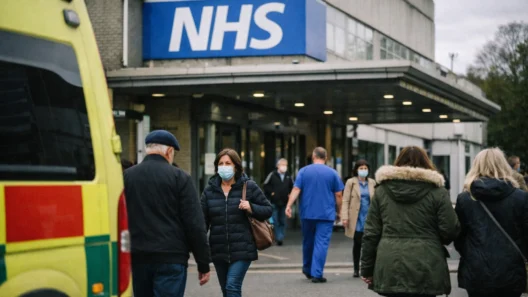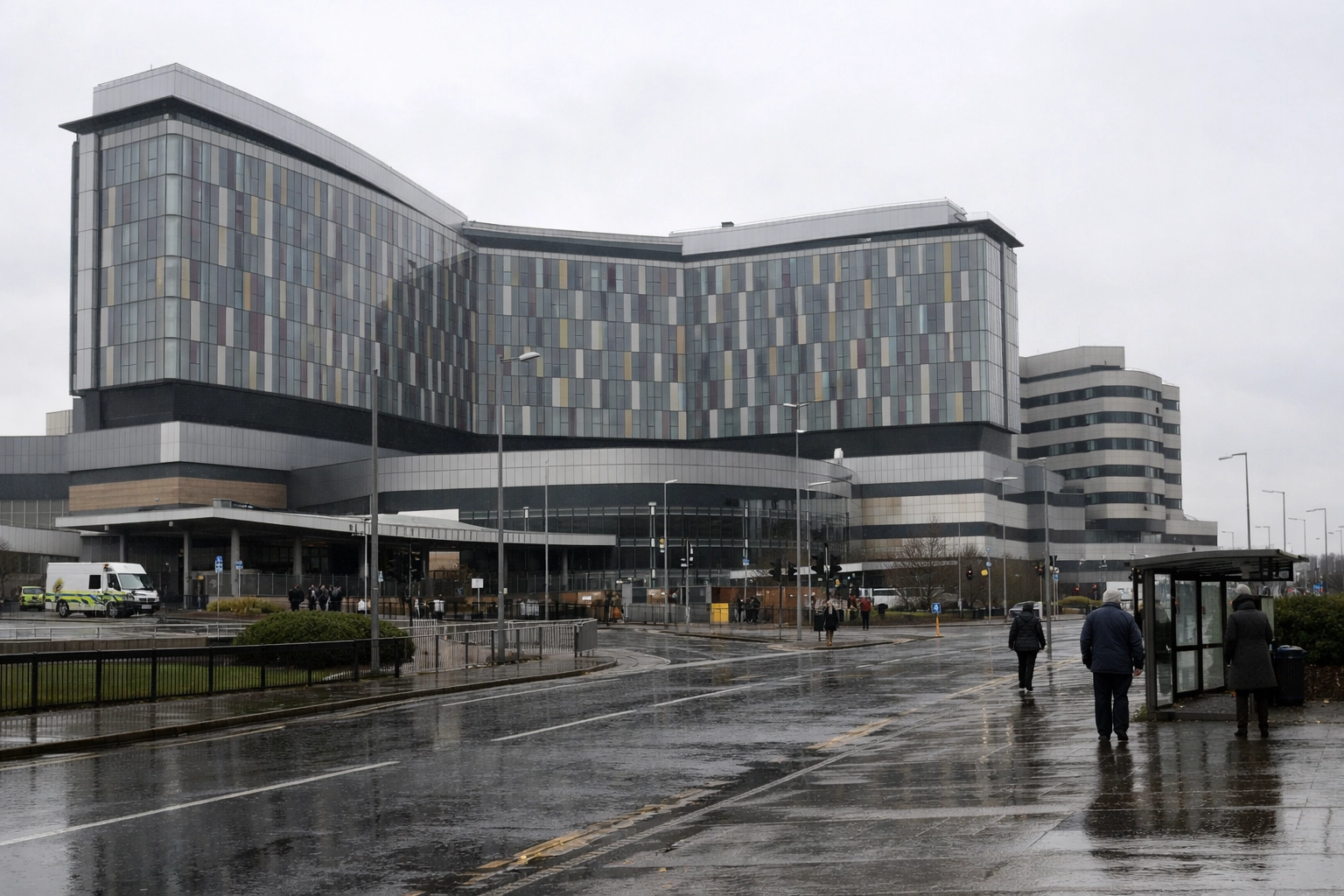
The Queen Elizabeth University Hospital (QEUH) in Glasgow opened in 2015 as a flagship NHS project, built at a reported cost of £842 million. By March 2026, it’s still caught up in a long-running safety and political row, with Sky News reporting fresh detail on problems linked to contaminated water, mould, and the way concerns were handled.
For readers following independent news uk, the QEUH story has become a stark case study in what can go wrong when big public projects meet weak transparency. Investigations have pointed to repeated infection alerts dating back close to the hospital’s early days, with particular concern around high-risk areas such as paediatric oncology.
Families and staff have said the hardest part wasn’t only the technical failures, but the lack of straight answers. That fight for clarity is one reason the case continues to sit at the centre of investigative journalism uk—and why so many of the untold stories tied to the hospital are still unfolding.
What went wrong in the building systems
Reports highlighted in March 2026 say parts of the hospital’s water system were affected by design and engineering issues that made it easier for biofilm to build up. Biofilm is a layer of microorganisms that can stick to surfaces and create a home for harmful bacteria—exactly the sort of risk hospitals try to eliminate, especially where patients have weakened immune systems.
One of the most widely reported cases is the death of 10-year-old Milly Main, who died in 2017 after an infection linked to the hospital environment while recovering from leukaemia. The organism involved, Stenotrophomonas maltophilia, was described as “probably” related to the hospital setting, and her family’s push for answers helped drive wider scrutiny. The Scottish Hospitals Inquiry has been examining whether the building was fit for purpose when it opened.
Ventilation has also been a major focus. Concerns involving Aspergillus—a mould that can cause serious illness in immunocompromised patients—led to ward closures, and Sky News reported that infection alerts linked to mould have continued in some areas even after costly remedial work. The debate now is whether this is a problem that can be managed with constant fixes, or whether deeper design choices are still causing trouble.
Why accountability is still being argued over
A big part of the QEUH scandal is about how information moved (or didn’t) inside the system. Staff and whistleblowers have described a “culture of fear” inside NHS Greater Glasgow and Clyde, where raising patient safety concerns could be brushed aside or treated as a problem in itself. That’s why the case keeps getting cited in investigative journalism uk: it’s not just about germs and ducts, it’s about governance.
Questions have also landed at government level. Andrew Slorance, a senior Scottish Government official, died after contracting Aspergillus at the hospital, and his widow Louise Slorance has been among those calling out failures in disclosure. Cases like his have sharpened the wider argument about what patients and families should be told, and when.
The Scottish Hospitals Inquiry, led by Lord Brodie, has been looking at both construction decisions and NHS board oversight. One key issue is the so-called “Red Acts”, internal reports that flagged risks from 2015 onwards, and why warnings were not acted on faster. Inquiry material has also pointed to concerns about record-keeping and whether information was handled in ways that reduced external scrutiny, including via Freedom of Information routes.
For the families involved, the goal isn’t just another statement of regret. Many want legal accountability, and there have been calls to strengthen the “Duty of Candour” so that honesty isn’t optional when things go wrong.
The Road to Transparency and Change
QEUH continues to treat large numbers of patients every day, but the question hanging over it is simple: can confidence be rebuilt without clear, timely transparency? As 2026 continues, the inquiry’s next findings are expected to keep the story moving—and keep those untold stories in the public eye.