Online child exploitation remains a major, fast-moving threat in 2026, with reporting this spring highlighting how quickly offenders adapt to the platforms young people use every day. For readers of independent news uk, this is one of those untold stories that sits in plain sight: it is not limited to hidden forums, and it is not confined to one country.
Current assessments continue to point to large numbers of active offenders operating globally at any time, with significant attention on children aged roughly 12 to 15. What has changed most is the speed and scale. This is less about one person searching manually, and more about automated discovery and rapid contact across mainstream apps, games, and social networks.
Through investigative journalism uk, a clearer picture has emerged of how targeting can start. Investigations have described offenders using scraping tools and AI-assisted methods to scan public profiles for signs of vulnerability, such as frequent posting, certain hashtags, or cues that suggest limited supervision.
The Impact on Families
How Tactics Are Changing — and What the Law Is Doing
Over the past year, specialists have flagged a rise in what some describe as “algorithmic grooming”, where AI helps mimic the language, humour, and interests of teenagers. The risk is simple: by the time a young person suspects something is off, a relationship can already feel established.
Gaming spaces have also been repeatedly identified as a common route in. Large user bases, low-friction chat, and anonymity make it easy for offenders to blend in, sometimes offering in-game items or “skins” to build trust. From there, conversations may move from public lobbies to private or encrypted messaging, a pattern often described as “platform hopping”, used to dodge moderation and safety tools.
Deepfake technology has added another complication in 2026. Synthetic profile images, voices, or videos can make it harder for children to tell who they are really speaking to, and harder for families to spot warning signs quickly.
Governments have also moved to tighten rules. In the UK, updates linked to the Online Safety Act framework in 2026 have increased expectations on platforms around age assurance, detection, and removal processes, alongside tougher penalties for failures. Elsewhere, proposals such as the US Kids Off Social Media Act have been framed as attempts to reduce exposure for younger children, although critics continue to question how effectively legislation can keep pace with new tools and tactics.
In the UK, the push for “safety by design” has become more prominent, placing responsibility on product teams to build protections in from the start. Independent news uk outlets have kept attention on how those promises translate into day-to-day reality.
Untold Stories of Digital Safety
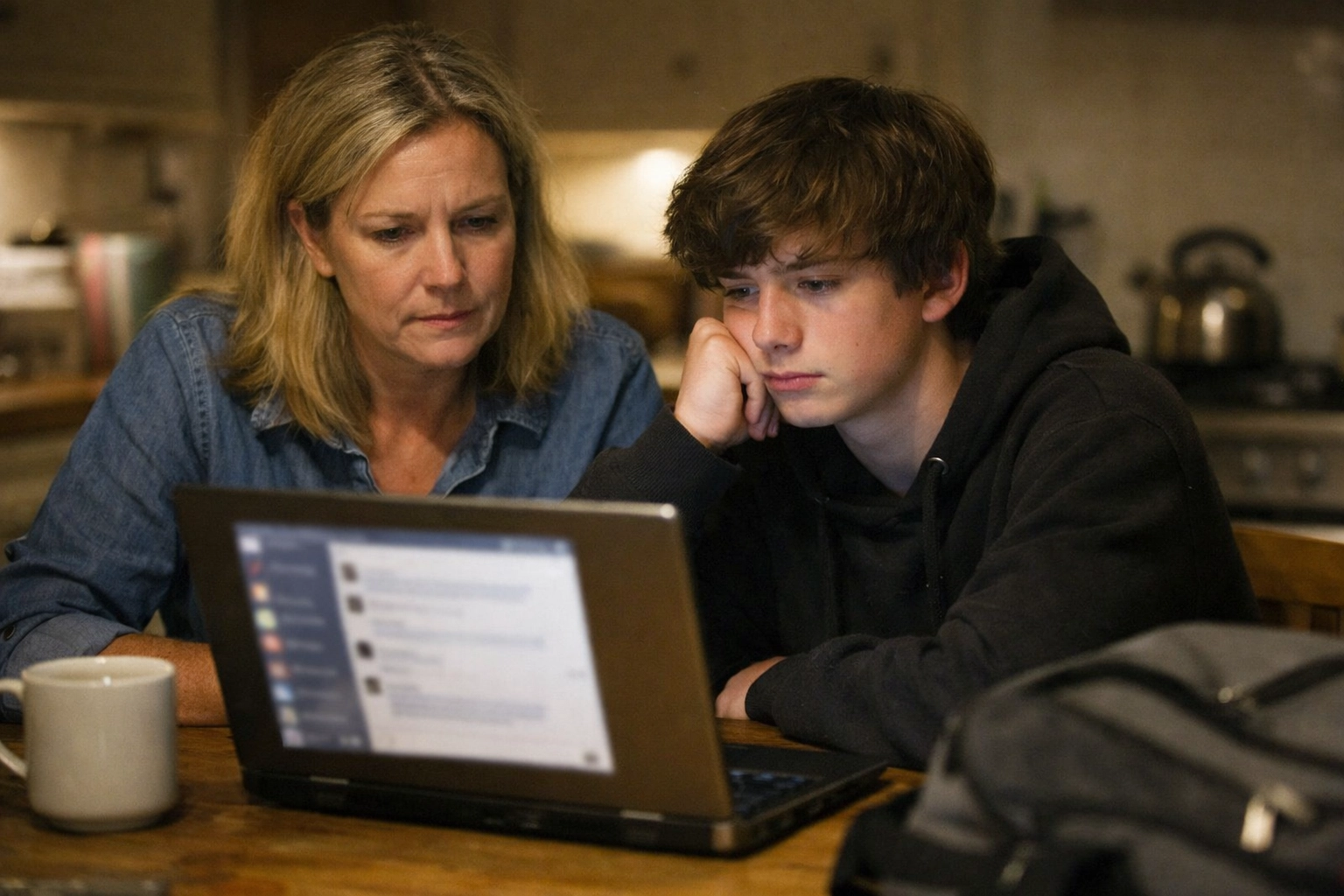
Practical safeguards still matter, and they are often the quickest win for families. Parental involvement does not have to mean constant surveillance; it can mean regular, normal chats about who children speak to, what apps they use, and what feels “off”. Checking privacy settings, limiting unsolicited messages, and understanding how friend suggestions work can cut down exposure.
Some guidance now also includes “co-gaming”, where parents occasionally play alongside children to understand the social environment without turning it into an interrogation. Clear, age-appropriate conversations about grooming tactics — including isolation attempts, pressure for secrecy, or requests for images — can help children recognise manipulation early.
This story is still developing, and the gap between platform growth and online safety enforcement remains a key issue to watch through 2026.