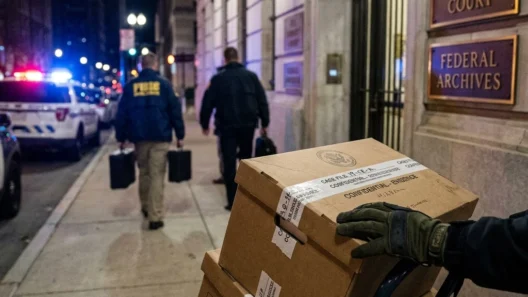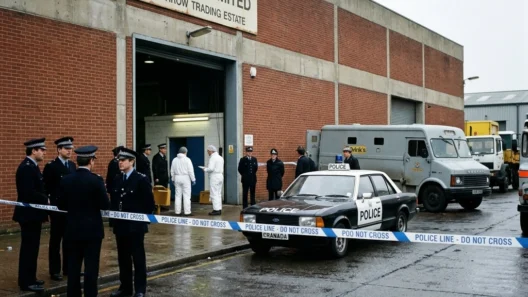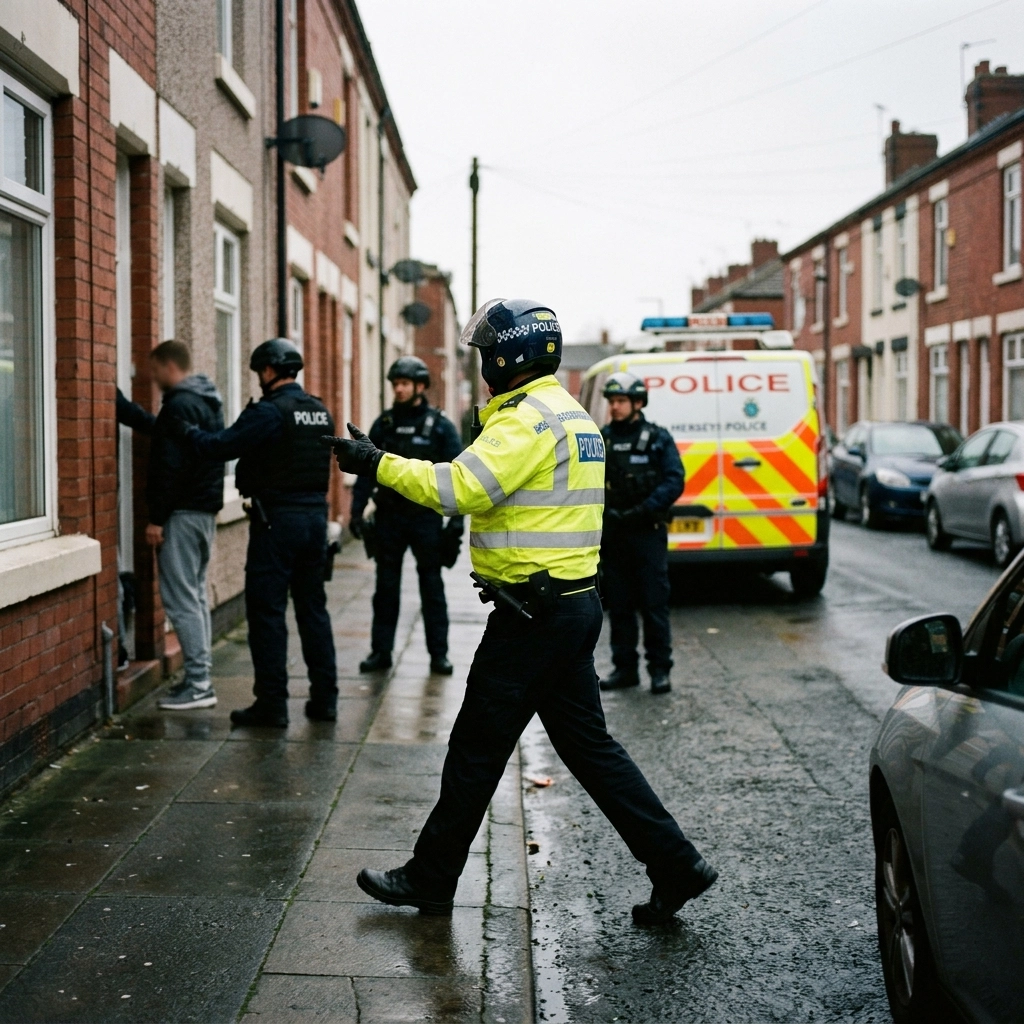
The landscape of British policing has seen a monumental shift this week as law enforcement agencies across England, Scotland, and Wales joined forces for a coordinated strike against organised crime. In what is being hailed as the most successful "intensification week" to date, the UK police crackdown has sent shockwaves through the criminal underworld, resulting in over 2,180 arrests and the dismantling of 335 active drug lines. This isn't just another routine operation; it represents a fundamental blow to the "county lines" business model that has plagued local communities for years.
For those following independent news uk, the sheer scale of this operation provides a sobering look at the extent of drug distribution networks across the country. County lines operations involve urban gangs expanding their reach into rural areas and smaller market towns, often using dedicated mobile phone lines: known as "deal lines": to coordinate the sale of class A drugs. By targeting the "line holders" rather than just the street-level runners, officers have managed to sever the head of the snake for hundreds of different criminal enterprises.
The results of this week-long surge are staggering. Beyond the arrests, officers seized nearly 200 kilos of heroin and cocaine, along with an array of bizarre criminal assets that highlight the strange world of illicit wealth. From gold bars and gold suitcases to even gold teeth, the spoils of this trade were stripped from those who profited from the misery of others. As we look at the untold stories behind these numbers, it becomes clear that this operation was about more than just clearing the streets; it was about reclaiming communities that have felt the weight of gang violence and drug addiction for far too long.
The Scale of the National Operation
The logistical coordination required to pull off an operation of this magnitude cannot be understated. Metropolitan Police Commander Paul Brogden described the effort as the "best ever" intensification week, a sentiment echoed by police forces from the Highlands of Scotland to the coastal towns of Wales. The focus was laser-sharp: identify the individuals running the communications and the logistics, and take them out of the equation. By confiscating over 1,000 phones used to control these drug lines, the police haven't just arrested individuals; they have deleted the "customer databases" of these gangs, making it significantly harder for them to restart their operations.
During the raids, the variety of drugs found showcased a worrying trend in the evolution of the market. While heroin and cocaine remain the primary focus, there has been a significant rise in the seizure of "spice-laced vapes." These products are often marketed to younger people, hiding a dangerous and unpredictable synthetic drug inside a modern delivery system. The UK police crackdown focused heavily on these new threats, ensuring that these harmful substances never reached their intended targets.
The financial impact on these gangs is equally significant. With £1.5 million in cash seized, the liquid assets of these organisations have been gutted. The discovery of high-value items like a gold bar and a gold suitcase suggests that these gangs were struggling to find ways to launder their vast profits, opting instead for physical stores of wealth. For those of us keeping an eye on independent news uk, these details offer a rare glimpse into the modern-day "gangster" lifestyle, which is often far less glamorous and far more desperate than it appears on the surface.
Protecting the Vulnerable and Safeguarding Youth
Perhaps the most distressing aspect of the county lines phenomenon is the exploitation of children and vulnerable adults. During this intensification week, police and social services managed to safeguard over 700 children who were being used by gangs to move drugs and cash. These children, some as young as 14, are often recruited through a mix of grooming, debt bondage, and threats of violence. In total, approximately 800 vulnerable people were identified and offered protection from the gangs that had been using them as pawns.
The recruitment process often starts with "trapping" a young person: giving them free gifts or small amounts of money until they feel they owe a debt. Once the debt is established, the gang demands they "work" it off by taking trains or buses to distant towns to deliver drugs. This is the heart of the county lines issue; it is a system built on the exploitation of the young. The fact that 10% of the 2,180 people arrested were children is a tragic statistic, but it highlights why this crackdown was so necessary. By bringing these children into the care of the authorities, the cycle of exploitation can finally be broken.
The untold stories of these children are often lost in the headlines of "drug busts" and "seizures." Many of these youngsters are missing persons who have been hidden away in "cuckooed" houses: properties belonging to vulnerable adults that have been taken over by gangs to serve as local bases. This operation saw hundreds of such properties visited, providing a lifeline to residents who had been living in fear. The 90% prosecution rate achieved for those arrested for drug dealing during this week sends a clear message: the law is finally catching up with those who think they can hide behind the vulnerability of others.
Disrupting the Criminal Infrastructure
A major component of this national effort was the removal of weapons from the street. In total, 121 firearms were seized, along with hundreds of knives and several "zombie knives." These weapons are the tools of the trade for county lines gangs, used to protect territory and intimidate rivals. By removing these from circulation, the police have undoubtedly prevented further violence and potential loss of life. The UK police crackdown has demonstrated that when forces share intelligence and resources, they can effectively dismantle the physical infrastructure of organised crime.
Technology also played a pivotal role in this week’s success. Criminal gangs have long used encrypted apps and burner phones to stay one step ahead of the law, but the "intensification week" showed that the police are closing the gap. The seizure of over 1,000 phones means that thousands of messages, locations, and contact details are now in the hands of investigators. This data will likely lead to even more arrests in the coming months, as the connections between urban suppliers and rural distributors are mapped out in detail.
This shift towards a data-driven approach is a key theme for independent news uk readers to watch. It is no longer just about the "boots on the ground," though that remains essential; it is about the "eyes in the wires." The ability to track the movement of a "line" as it travels from London to a small village in the Cotswolds is a game-changer. As the police continue to refine these techniques, the risks for gang leaders increase exponentially. The era of running a multi-million-pound drug empire from a mobile phone with perceived impunity is coming to an end.
The conclusion of this intensification week does not mark the end of the struggle against county lines, but it certainly marks a significant victory. The sheer volume of arrests, drugs, and weapons taken off the streets will have a tangible impact on the safety of many UK towns. More importantly, the hundreds of children and vulnerable adults who have been safeguarded now have a chance to rebuild their lives away from the shadow of criminal exploitation. While the gangs will undoubtedly try to adapt, the success of this operation proves that the national response is stronger and more coordinated than ever before. This ongoing UK police crackdown remains a vital part of the effort to protect communities and ensure that the untold stories of exploitation are heard and addressed by the justice system.