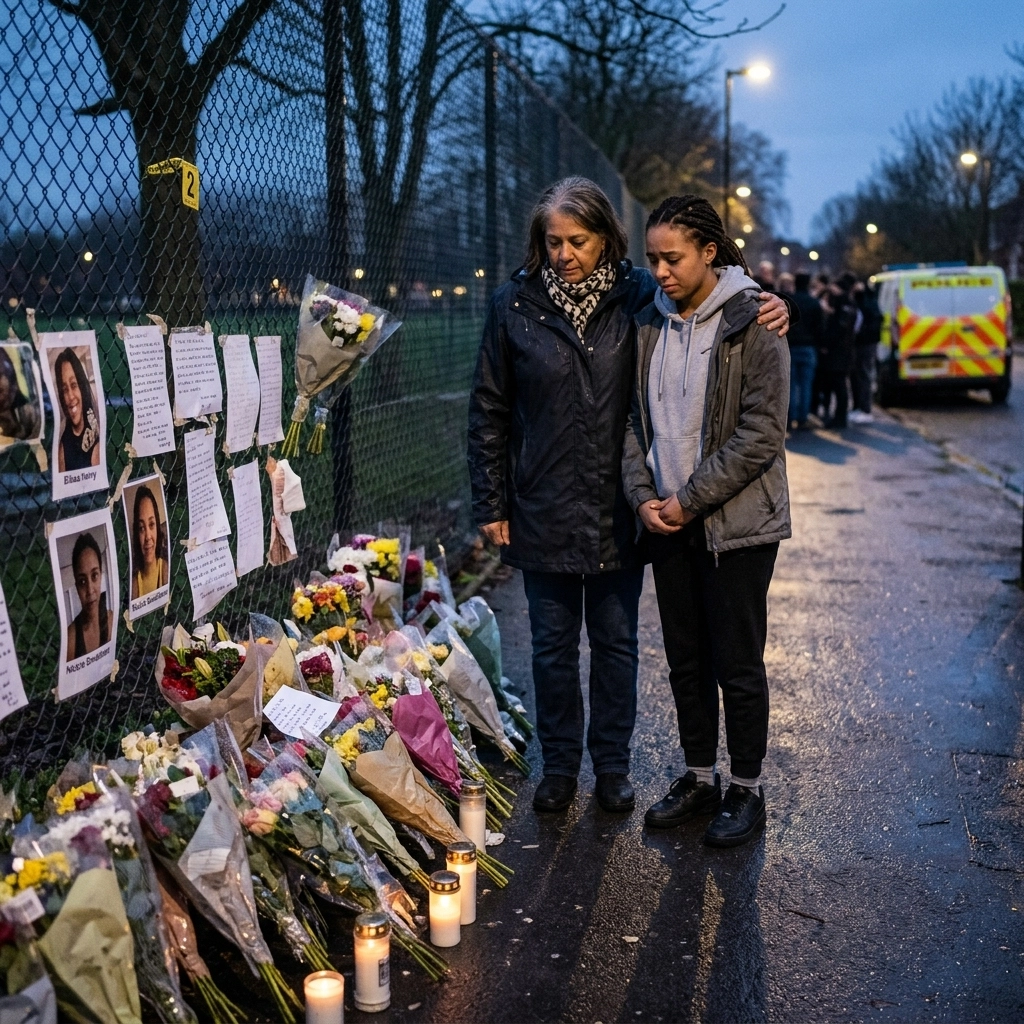
In June 2020, as the world grappled with the height of the pandemic, a tragedy unfolded in Fryent Country Park, Wembley, that would eventually expose deep-seated issues within the Metropolitan Police Service. The murders of Bibaa Henry, 46, and Nicole Smallman, 27, were horrific in their own right, but the subsequent revelations regarding the police response and the conduct of officers at the scene turned a local tragedy into a national scandal. This is one of those untold stories that highlights the intersection of grief, systemic failure, and the ongoing struggle for accountability in modern Britain.
Bibaa and Nicole had gone to the park to celebrate Bibaa’s birthday. They were sisters, vibrant and loved, enjoying a rare moment of connection during a time of global isolation. When they failed to return home, their family did what anyone would do: they turned to the authorities for help. However, what followed was a series of institutional failures that left the family searching for their own loved ones in the dark, eventually discovering the crime scene themselves. This case has become a focal point for independent news uk outlets and activists demanding a complete overhaul of how the police handle missing persons reports and interact with marginalised communities.
The narrative of what happened to Bibaa and Nicole is not just a story of a lone attacker, but a story of how the systems designed to protect us can fail when they are most needed. By looking closely at the timeline and the official findings, we can begin to understand why the trust between the public and the police has reached such a precarious low point.
The Frustrating Wait for Action
The timeline of the police response to the disappearance of Bibaa and Nicole is a harrowing read for anyone who believes in the efficacy of emergency services. Between 8:58 p.m. on 6 June and 1:18 p.m. on 7 June, the sisters' family and friends made multiple calls to the police. For over 16 hours, the urgency of their pleas was met with a level of apathy that is difficult to fathom. Despite the clear danger, the Metropolitan Police took minimal action to locate the women for nearly 12 hours throughout the night.
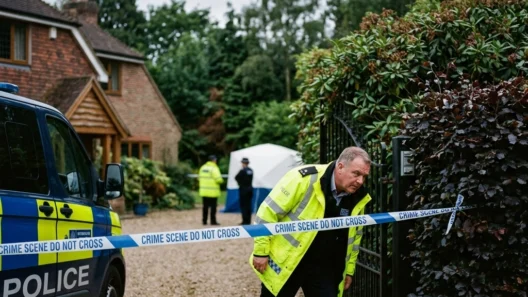
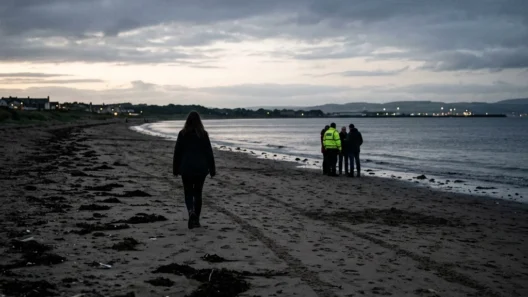
The Independent Office for Police Conduct (IOPC) later determined that the level of service provided was entirely unacceptable. One of the most damning aspects of the investigation revealed that a communications supervisor had recorded information provided by the family inaccurately. This wasn't just a minor clerical error; it effectively halted the investigation and led to the closure of police logs at a time when every second counted. While the police remained inactive, the family’s anxiety turned into a desperate DIY search operation. It was Nicole’s boyfriend and other relatives who eventually found the sisters’ bodies in the bushes of the park, along with the knife used in the attack.
This failure to respond is often cited in discussions about institutional racism. Mina Smallman, the sisters' mother and a former Archdeacon, has been vocal about her belief that if her daughters had been white and from a different socio-economic background, the response would have been instantaneous. The delay in the search remains a core part of the police misconduct narrative surrounding this case, suggesting that certain victims are not prioritised by the state. This is a recurring theme in untold stories from across the UK, where the quality of justice often seems dependent on the victim's identity.
To maintain the integrity of our reporting, we adhere to strict editorial standards to ensure that such sensitive topics are handled with the respect and factual accuracy they deserve. The failure in Wembley was not just an administrative lapse; it was a fundamental breakdown in the duty of care.
Misconduct and the Crime Scene Photos
While the delayed response was a failure of duty, the events that occurred after the discovery of the bodies were a direct violation of human decency. Two police constables, PC Deniz Jaffer and PC Jamie Lewis, were assigned to protect the crime scene. Instead of maintaining the sanctity of the site and respecting the deceased, they crossed a line that shocked the nation. The officers took "selfies" with the bodies of Bibaa and Nicole and shared these images on a WhatsApp group with colleagues and members of the public.
This act of police misconduct was not just a lapse in professional judgement; it was a dehumanising gesture that compounded the family's trauma. The images were shared alongside derogatory language, revealing a culture of toxicity within the ranks. PC Jaffer later resigned, and PC Lewis was dismissed from the force, with both eventually being sentenced to two years and nine months in prison for misconduct in public office. During the investigation, it was also revealed that Jaffer had used racist language in other communications, further cementing the perception that the victims’ race played a role in how they were perceived by the officers.
The fallout from these actions prompted an investigation into six other officers who were aware of the photos but failed to challenge or report the behaviour. This highlights a systemic issue where the "thin blue line" of silence often outweighs the moral obligation to report wrongdoing. For those following independent news uk, this case served as a grim reminder that the issues within the Met were not limited to a few "bad apples" but were indicative of a much broader cultural crisis.
The pain caused by these actions cannot be overstated. Mina Smallman described the officers’ actions as a "sacrilege," noting that they had treated her daughters like "human remains" rather than people with lives, families, and futures. This part of the Bibaa and Nicole story transformed the conversation from one of simple negligence to one of active malice and systemic rot.
Systemic Issues and the Path to Reform
The tragedy of Bibaa and Nicole does not exist in a vacuum. It sits alongside other high-profile failures that have forced the UK to confront the reality of how its citizens are policed. The IOPC investigation uncovered broader misconduct breaches, including failures in honesty, integrity, and equality and diversity standards. It became clear that the Metropolitan Police had a significant problem with how it viewed and protected women, particularly Black women.
The case has sparked widespread discussions about the need for radical reform. It isn't enough to simply dismiss individual officers; the very structures that allow such cultures to flourish must be dismantled. The fact that the family had to find the bodies themselves is a testament to a system that, in this instance, was completely broken. Public trust is earned through accountability and transparency, two things that were sorely lacking in the immediate aftermath of the sisters' deaths.
Organisations and communities across the country are now looking for ways to ensure that these untold stories lead to actual legislative and cultural change. This includes better training for call handlers, stricter oversight of digital communications among officers, and a genuine commitment to addressing institutional racism and misogyny. The legacy of Bibaa Henry and Nicole Smallman is now inextricably linked to the fight for a fairer justice system. Their mother’s tireless campaigning has ensured that their names are not forgotten and that the police are held to account for their failures.
As we look toward the future, the lessons from this case must remain at the forefront of the conversation regarding law enforcement in the UK. We at NowPWR believe in the power of shedding light on these issues to foster a more informed and engaged society. True progress requires us to look directly at these failures, no matter how uncomfortable they may be, to ensure that no other family has to endure the double tragedy of loss and institutional betrayal.
The Metropolitan Police has since issued apologies and pledged to improve, but for many, these words ring hollow without sustained, measurable change. The story of Bibaa and Nicole remains a stark reminder of the work that still needs to be done to ensure safety and justice for everyone, regardless of their background or where they live. The road to reform is long, but it begins with acknowledging the truth of what happened in Fryent Country Park and ensuring it never happens again.