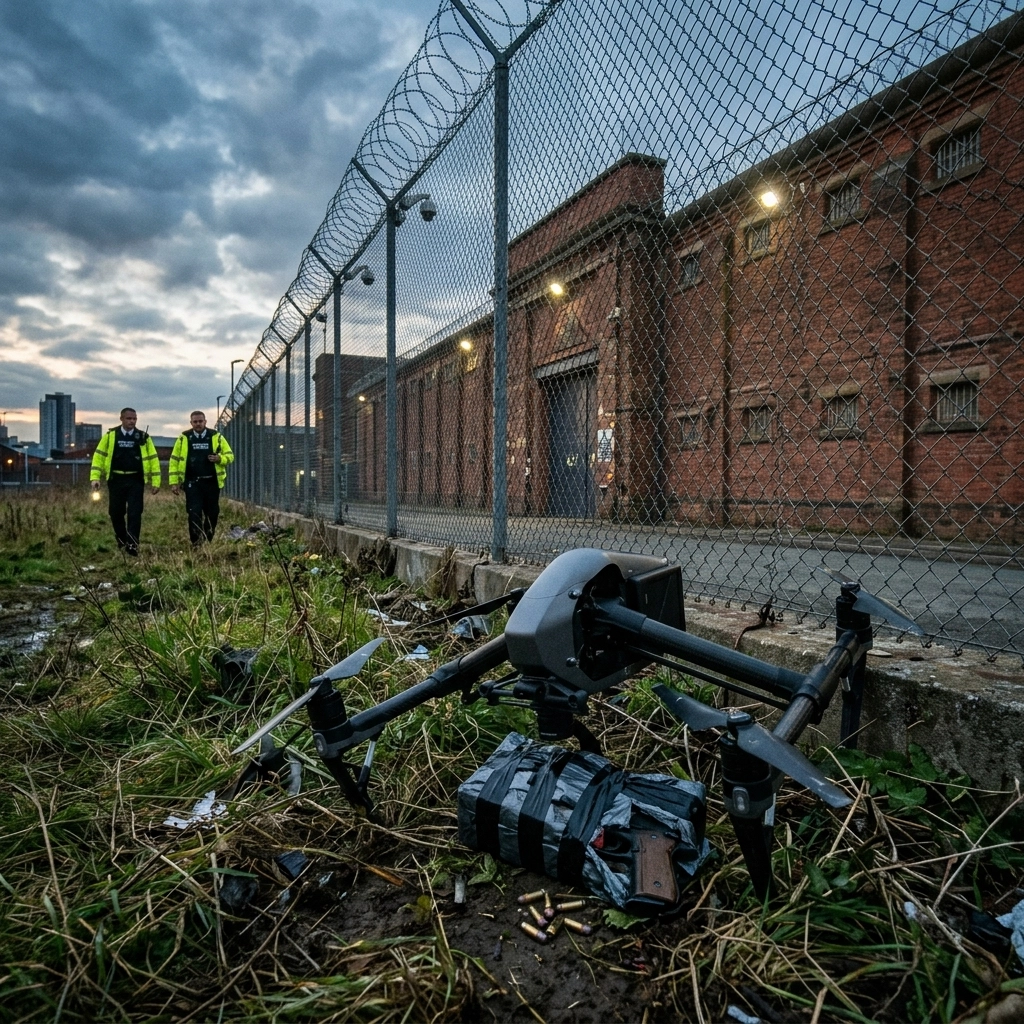
For decades, the perimeter of a prison was considered its most vital line of defence. High walls, barbed wire, and constant patrols were the standard measures designed to keep the outside world out and the inside world in. However, the digital age has brought a new, silent, and incredibly effective adversary to the gates of the UK’s most secure institutions. The "Drone Wars" are no longer a futuristic concept from a sci-fi novel; they are a daily reality for the Prison Service. Organized crime gangs have transformed the sky into a lucrative delivery route, bypassing traditional security to drop everything from mobile phones to lethal weapons directly into the hands of inmates.
At NowPWR, we believe in bringing you independent news uk that digs deeper into the untold stories affecting our society. The rise of drone-delivered contraband isn't just a logistical headache for governors; it is a fundamental shift in how organized crime operates within the British justice system. When the airspace above a high-security facility like HMP Manchester is effectively ceded to criminal gangs, the repercussions are felt far beyond the prison walls. It’s a story of failing infrastructure, sophisticated criminal tactics, and a system struggling to catch up with the pace of technology.
The scale of the problem is staggering. Reports from prison inspectors have highlighted that the frequency and sophistication of these drops have reached a level that constitutes a national security threat. We are seeing a move away from the amateur "throw-over" methods of the past. Today’s gangs use high-definition cameras, GPS-guided flight paths, and heavy-lift quadcopters to ensure their "payloads" reach their exact destination. These aren't just kids playing with toys; these are professional operations designed to fuel the black market economy behind bars.
The High-Tech Siege of High-Security Walls
The methods used by these gangs are becoming increasingly brazen. In some of the UK's most famous "Category A" and "Category B" prisons, inmates have been found to be active participants in the logistics of the delivery. One of the most shocking revelations to emerge from recent inspections at HMP Manchester: locally known as Strangeways: is that prisoners have been burning holes in the supposedly secure, reinforced windows of their cells. These apertures are then used as "mail slots" for drones to hover outside and drop packages directly into the room.
This level of coordination requires a high degree of planning. The gangs operating these drones often conduct reconnaissance flights to map out the blind spots in CCTV coverage or identify the exact cell windows where their clients are waiting. The payloads themselves have grown in size and complexity. While drugs and mobile phones remain the "bread and butter" of the smuggling trade, the arrival of weapons is what has truly sounded the alarm. The delivery of knives, screwdrivers, and even components for firearms has turned the prison wings into a much more dangerous environment for both staff and inmates.
The failure of basic security measures has played a significant role in this escalating crisis. Many prisons were built in an era when the biggest threat was someone climbing a wall. As a result, many facilities lack the necessary electronic countermeasures to detect or jam drone signals. Even simple physical barriers, like protective netting designed to catch falling objects, have fallen into disrepair at several sites. When the police and prison services are forced to admit that they have lost control of the airspace above a high-security facility, it signals a major breach in the sovereign control of our correctional facilities. These untold stories of structural neglect are a key reason why independent news uk is so vital in holding the authorities to account.
The Human Cost of the Contraband Influx
The impact of this constant stream of contraband is devastating. It isn’t just about inmates having a hidden phone to call their families; it’s about the power dynamics and violence that these items fuel. When drugs flow freely into a prison, it creates an internal economy built on debt, intimidation, and addiction. At HMP Manchester, data revealed that nearly 40% of prisoners tested positive in mandatory drug tests. At HMP Long Lartin, the situation was equally grim, with half of the inmates reporting that it was incredibly easy to get hold of drugs or alcohol.
This availability of substances leads to a spike in violence. Debt is a primary driver of prison assaults. If an inmate cannot pay for the "spice" or "mamba" delivered via drone, they or their families on the outside often face violent retribution. This cycle of debt and violence makes the work of prison officers almost impossible. They are not just managing a population; they are policing a high-stakes marketplace where the commodities are flown in from the sky. The prevalence of drugs also correlates directly with rates of self-harm and self-inflicted deaths, which have seen a tragic increase in several high-security sites over the last few years.
Furthermore, the presence of weapons delivered by drones has fundamentally changed the risk profile of the prison wings. When gangs can smuggle in weapons that are specifically designed to bypass metal detectors or are simply too large to be hidden during a standard search, the safety of everyone in the building is compromised. It creates a climate of fear where staff are hesitant to intervene and inmates feel they must arm themselves for protection. This breakdown of order hinders any chance of genuine rehabilitation, as the focus shifts entirely from education and reform to basic survival and the management of addiction.
Reclaiming the Skies and the System
Addressing the drone threat requires a multi-faceted approach that combines better technology with structural reform. The government has issued "Urgent Notifications" for prisons like HMP Manchester, demanding immediate improvements in security and living conditions. However, the fix isn't as simple as just patches on windows. It requires a significant investment in anti-drone technology, such as "geo-fencing" which creates a digital no-fly zone around sensitive areas, and signal jammers that can force a drone to land or return to its pilot.
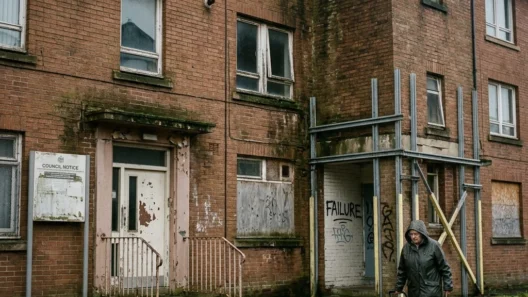
But technology alone isn't a silver bullet. The "Drone Wars" have exposed a deeper issue within the UK prison estate: the state of the buildings themselves. Many of our prisons are Victorian-era structures that are simply not fit for the 21st century. Crumbling masonry, broken CCTV, and inadequate staffing levels create the perfect environment for organized crime to flourish. To truly tackle the smuggling crisis, the Ministry of Justice needs to prioritise the physical maintenance of these sites, ensuring that netting is replaced and windows are genuinely secure.
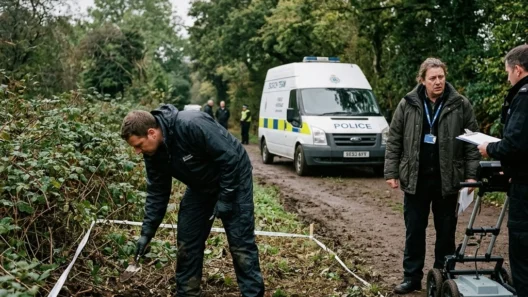
Beyond the physical, there is a need for better intelligence sharing between the police and the Prison Service. The gangs operating these drones are often the same groups involved in county lines drug dealing and high-level organized crime. By targeting the pilots and the coordinators on the "outside," the authorities can begin to dismantle the supply chain before the drone even takes off. The untold stories of these investigations often highlight the incredible work done by local police forces to track down drone operators in the middle of the night, often in parks or residential streets adjacent to prison walls.
The battle for the airspace above our prisons is a testament to the evolving nature of crime in the UK. As we continue to provide independent news uk, we remain focused on how these shifts impact the safety of our communities. The "Drone Wars" are a stark reminder that security is never static; it is an ongoing competition between those who uphold the law and those who seek to bypass it. Reclaiming the skies will require more than just a few new gadgets; it will require a total rethink of how we secure the perimeters of our justice system in the digital age.
The current situation is a wake-up call for the entire justice system. While drones represent a technological leap for smugglers, they also highlight the vulnerabilities that have been allowed to develop through years of underfunding and neglect. Ensuring that our prisons are secure environments is not just about preventing escapes; it is about ensuring that the rule of law is maintained within the walls, protecting both the staff who work there and the inmates who are meant to be undergoing rehabilitation. As the technology continues to advance, the response must be equally agile, ensuring that the "Drone Wars" do not end with the gangs claiming a permanent victory over the UK’s high-security estate.
The evolution of drone technology has outpaced the legislative and physical defences of the UK prison system. As these devices become smaller, faster, and more capable of carrying heavier loads, the pressure on prison staff will only increase. It is essential that the focus remains on closing the gap between the sophisticated tactics of organized crime and the defensive capabilities of our correctional facilities. By shining a light on these untold stories, we hope to encourage a more robust and transparent discussion about the future of prison security in the United Kingdom.