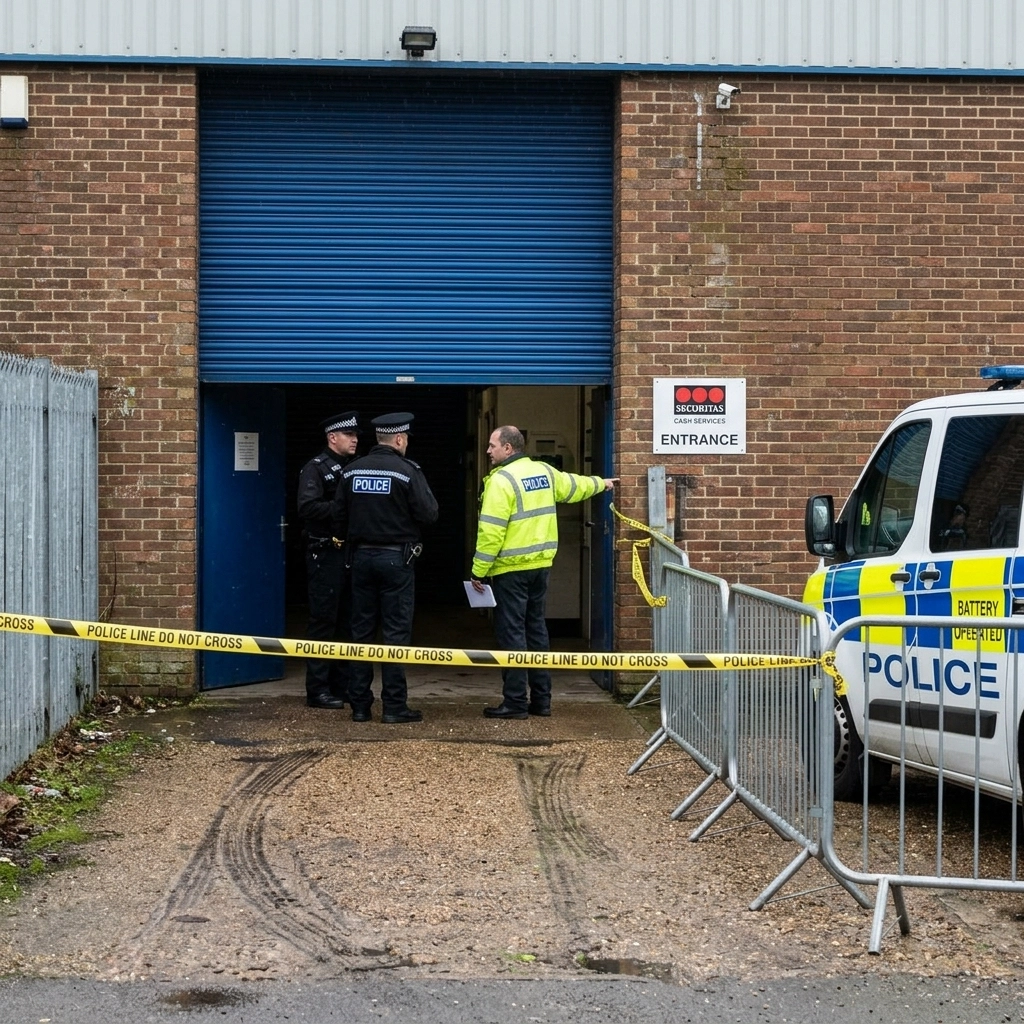
Two decades have passed since the quiet town of Tonbridge in Kent became the centre of the most audacious criminal plot in British history. In February 2006, a gang of armed robbers executed a heist so large and so meticulously planned that it redefined the scale of organised crime in the United Kingdom. Stealing nearly £53 million from the Securitas cash depot, the gang left behind a trail of mystery, ruined lives, and a staggering amount of unrecovered cash that continues to fuel untold stories within the world of independent news uk.
Today, in 2026, the anniversary serves as a reminder of how much the landscape of security and finance has changed, yet the fascination with the "Big One" remains. While most of the perpetrators are behind bars, the shadow of the missing £32 million looms large. This was not just a robbery; it was a psychological operation involving kidnappings, high-grade prosthetics, and a level of insider knowledge that shocked the authorities.
The Night That Shook Kent
The heist began not at the depot itself, but on a cold road in Stockbury. On the evening of 21 February 2006, Colin Dixon, the manager of the Securitas depot, was driving home when he was pulled over by what appeared to be an unmarked police car. The men inside wore high-visibility jackets and acted with the authority of law enforcement. However, this was the start of a nightmare. Dixon was abducted at gunpoint, while simultaneously, another group of men visited his home dressed as police officers, claiming he had been involved in an accident. They kidnapped his wife and young son, using them as leverage to ensure Dixon’s cooperation.
The level of planning involved was unprecedented. The gang had spent months preparing, even using an insider to film the interior of the depot. This "mole" provided crucial details about the layout, the security gates, and the staff routines. By the time Dixon was brought to the depot in the early hours of 22 February, the gang was ready. They arrived in a white Renault truck, disguised as police and security staff, and managed to bypass the initial security layers through sheer intimidation and the presence of the manager.
Once inside, the scene was one of controlled chaos. Fourteen staff members were tied up and forced into cages at gunpoint. The robbers were not interested in small change; they were there for the massive pallets of cash awaiting distribution to banks across the region. For several hours, they loaded seventeen cages and three trolleys full of banknotes into their truck. The scale was so immense that they actually had to leave approximately £154 million behind simply because they ran out of room in their vehicle. As they drove away into the Kent morning, they left behind a traumatised staff and a crime scene that would trigger the largest investigation in the history of the Kent Police.
A Massive Manhunt and the Paper Trail
The police response was swift, but the complexity of the gang’s network made the investigation a monumental task. Within days, forensic teams were picking through the depot and the various locations where the Dixon family had been held. It didn’t take long for the first breakthroughs to happen. The gang had been ambitious, but they had also left behind a digital and physical trail. Abandoned vehicles, discarded prosthetics used for disguises, and the sheer logistics of moving £53 million in used notes meant that someone, somewhere, was going to talk.
The recovery efforts yielded some immediate results. Within a month, police had discovered several stashes of cash. Nearly £10 million was found in a lock-up in Welling, and another £8 million was recovered in Southborough. One of the most dramatic finds was a van parked at a hotel car park containing £1.3 million. Despite these successes, it became clear that the bulk of the money was being laundered through various international channels or buried deep within the criminal underworld.
The characters involved in the heist seemed like something out of a film. Lee Murray, a cage fighter known as "Lightning," was identified as one of the masterminds. He fled to Morocco shortly after the raid, living a lavish lifestyle before he was eventually apprehended by Moroccan authorities. His extradition and the subsequent trials of his co-conspirators occupied the British legal system for years. The investigation saw 36 people arrested, with the core members of the gang receiving lengthy prison sentences. Yet, the question of the missing money remained. Even with the culprits in prison, the "untold stories" of where that cash went have become part of British folklore.
The Legacy of Britain’s Biggest Cash Robbery
Looking back from the perspective of 2026, the Securitas heist represents a turning point in how cash is handled and protected. In the aftermath, security protocols across the UK were overhauled. The vulnerability of staff and their families became a primary concern, leading to the implementation of "four-eye" principles and more robust remote monitoring systems that do not rely solely on a single manager's access. The depot in Tonbridge eventually closed, but the impact on the local community and the security industry is still felt today.
The most enduring mystery, however, is the £32 million that was never found. Over the last two decades, theories have ranged from the money being buried in the Kent countryside to it being laundered through offshore real estate and early cryptocurrency ventures. In February 2026, Kent Police issued a fresh appeal for information, reminding the public that confiscation orders against the convicted individuals remain largely unpaid. They believe that even after twenty years, there are people who know exactly where those bundles of notes ended up.
The heist also changed the way independent news uk covers major crime. It was a story that combined elements of a thriller: kidnapping, disguises, and a record-breaking haul: with a sobering look at the reach of organised crime. It forced a conversation about the safety of low-profile security facilities and the psychological toll on victims who were simply doing their jobs. As we mark this 20th anniversary, the Securitas raid stands as a testament to a different era of crime, one where physical cash was king and a single night of audacity could change the lives of everyone involved forever.
The Securitas depot robbery remains a landmark event in British criminal history. While the physical scars of the event may have faded for many, the legal and financial ripples continue to be felt. The pursuit of the missing millions remains an open chapter, a reminder that in the world of high-stakes crime, the full story is rarely told in the immediate aftermath. As technology continues to move us toward a cashless society, the Tonbridge heist serves as a final, dramatic chapter in the history of the great British bank job.