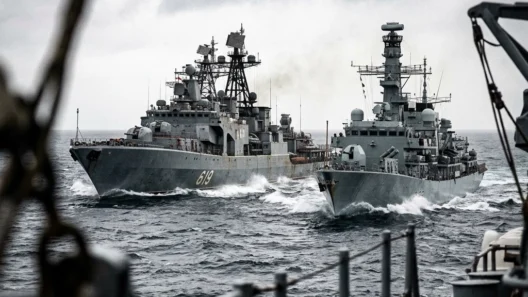
The English Channel is one of the most iconic stretches of water in the world. It is a symbol of British history, a vital trade artery, and home to some of the most beautiful coastlines in the United Kingdom. On any given day, hundreds of vessels traverse the narrow Dover Strait, carrying everything from electronics to fresh produce. However, beneath this surface of bustling maritime commerce lies a growing danger that rarely makes the front pages. We are talking about Russia’s shadow fleet: a collection of aging, poorly maintained, and often uninsured tankers that are quietly turning the Channel into a potential disaster zone.
For those of us following untold stories in the world of maritime security, the rise of this "dark fleet" is nothing short of a nightmare scenario. These ships are essentially the ghosts of the ocean. They operate outside the reach of Western sanctions, often changing names, flags, and owners more frequently than some people change their passwords. While the political chess match involving global energy continues, the physical reality of these vessels poses an immediate environmental threat to our shores. It is a situation where the risks are high, and the accountability is almost non-existent.
As we look at the state of independent news UK today, it becomes clear that we need to talk about what happens when these ships fail. This isn't just about geopolitics; it’s about the safety of our waters and the protection of our marine life. The English Channel is already a congested motorway for ships. Adding a fleet of "ticking bombs" into that mix is a recipe for a catastrophe that could take decades to clean up.
The Ghost Ships Haunting Our Coastlines
To understand why these vessels are so dangerous, we first have to look at what they actually are. The shadow fleet is primarily composed of older tankers that would usually be heading for the scrap yard. In the normal world of shipping, a tanker has a lifespan. Once it hits 15 or 20 years, the maintenance costs become too high, and the insurance premiums skyrocket because the risk of structural failure increases. However, since the implementation of sanctions aimed at restricting certain oil exports, these veteran ships have found a second life.
The shadow fleet risks are multifaceted. Because these ships are operating in a legal grey zone, they often bypass the rigorous inspections that reputable shipping companies adhere to. When you walk along the coast of Kent or Sussex, you might see a tanker on the horizon and assume it is being held to the highest safety standards. The reality is that many of these vessels are "flag-hopping": registering in countries with very little oversight. This allows them to avoid the prying eyes of international regulators who might otherwise declare them unseaworthy.
Furthermore, there is the issue of the "dark" activity. These ships frequently turn off their Automatic Identification Systems (AIS) to hide their movements or their origins. When a ship goes dark in a waterway as crowded as the English Channel, it becomes a literal collision hazard. Navigation in these waters is a precision task; it requires every captain to know exactly where everyone else is. When you have 100,000 tonnes of oil moving silently and invisibly through a fog bank, you aren't just looking at a technical violation: you are looking at a potential disaster.
A Recipe for Environmental Catastrophe
The biggest worry for everyone from environmentalists to local fishermen is the lack of insurance. Most legitimate ships carry Protection and Indemnity (P&I) insurance from reputable global clubs. This ensures that if there is an oil spill or a collision, there is a massive fund available to pay for the cleanup and compensate those affected. The shadow fleet, by definition, does not have access to this. Instead, they often claim to have "alternative" insurance from unknown entities that may not even have the funds to cover a minor incident, let alone a major spill in the English Channel.
This creates a massive environmental threat. If one of these aging tankers were to suffer a hull failure or an engine explosion: both of which are heightened risks for ships of this age: the UK and French governments would likely be left picking up the bill. And the cost isn't just financial. An oil spill in the Dover Strait would be devastating. The currents in the Channel are incredibly strong and complex. Within hours, oil could be washed up on the beaches of the South Coast, destroying delicate ecosystems and crippling the local tourism and fishing industries.
We have seen what happens when shipping goes wrong in our waters before. However, the shadow fleet represents a new kind of risk because the vessels are intentionally being kept in a state of disrepair to maximise profits. There are reports of these ships conducting "ship-to-ship" transfers of oil in open water, sometimes in poor weather conditions. This is a high-risk manoeuvre even for the best-maintained vessels; for an old tanker with a rusty deck and a skeleton crew, it is an invitation for an accident. These untold stories of near-misses are happening more frequently than the public is led to believe.
Turning the Tide on Invisible Threats
So, what can be done about this? The challenge for the UK is that many of these ships stay just outside of territorial waters or use the right of "innocent passage" to move through the Channel. However, as a leader in maritime law and security, the UK is in a unique position to push for more stringent monitoring. We need a more proactive approach to maritime surveillance, using satellite technology and increased patrols to identify ships that are behaving suspiciously or appear to be in a state of advanced decay.
International cooperation is also key. The English Channel is a shared responsibility. Working closely with our neighbours to create a "no-go" list for vessels that fail basic safety and insurance requirements could be a game-changer. If a ship cannot prove it has valid, verifiable insurance and a recent safety certificate, it should be escorted away from sensitive shipping lanes. We cannot afford to wait for an explosion or a leak to take action; by then, it will be too late for the birds, the sea life, and the people who rely on the Channel for their livelihoods.
At NowPWR, we believe in looking at the issues that affect our daily lives, even if they are happening miles out at sea. Our commitment to editorial standards and ethics ensures that we bring you the facts about these hidden dangers without the sensationalism found elsewhere. The shadow fleet is a problem that isn't going away on its own. As long as there is a profit to be made from cutting corners, these ghost ships will continue to haunt our coastlines. It is up to us to keep the pressure on for better regulation and more transparency in our waters.
The English Channel should remain a source of pride and a hub of safe commerce, not a graveyard for neglected tankers. The risks are clear, the vessels are aging, and the clock is ticking. By bringing these issues to light, we can hopefully move towards a future where our seas are protected from the shadow fleet and the environmental threats they carry in their rusting hulls.
The presence of the shadow fleet in the English Channel represents a significant and ongoing challenge for maritime safety and environmental protection. As these aging vessels continue to operate with minimal oversight and inadequate insurance, the risk of a major incident remains high. It is essential for international authorities to remain vigilant and for the public to stay informed about the hidden dangers that traverse our coastal waters every day. Ensuring the integrity of our shipping lanes is vital for the long-term health of our marine environment and the safety of all who use the sea.