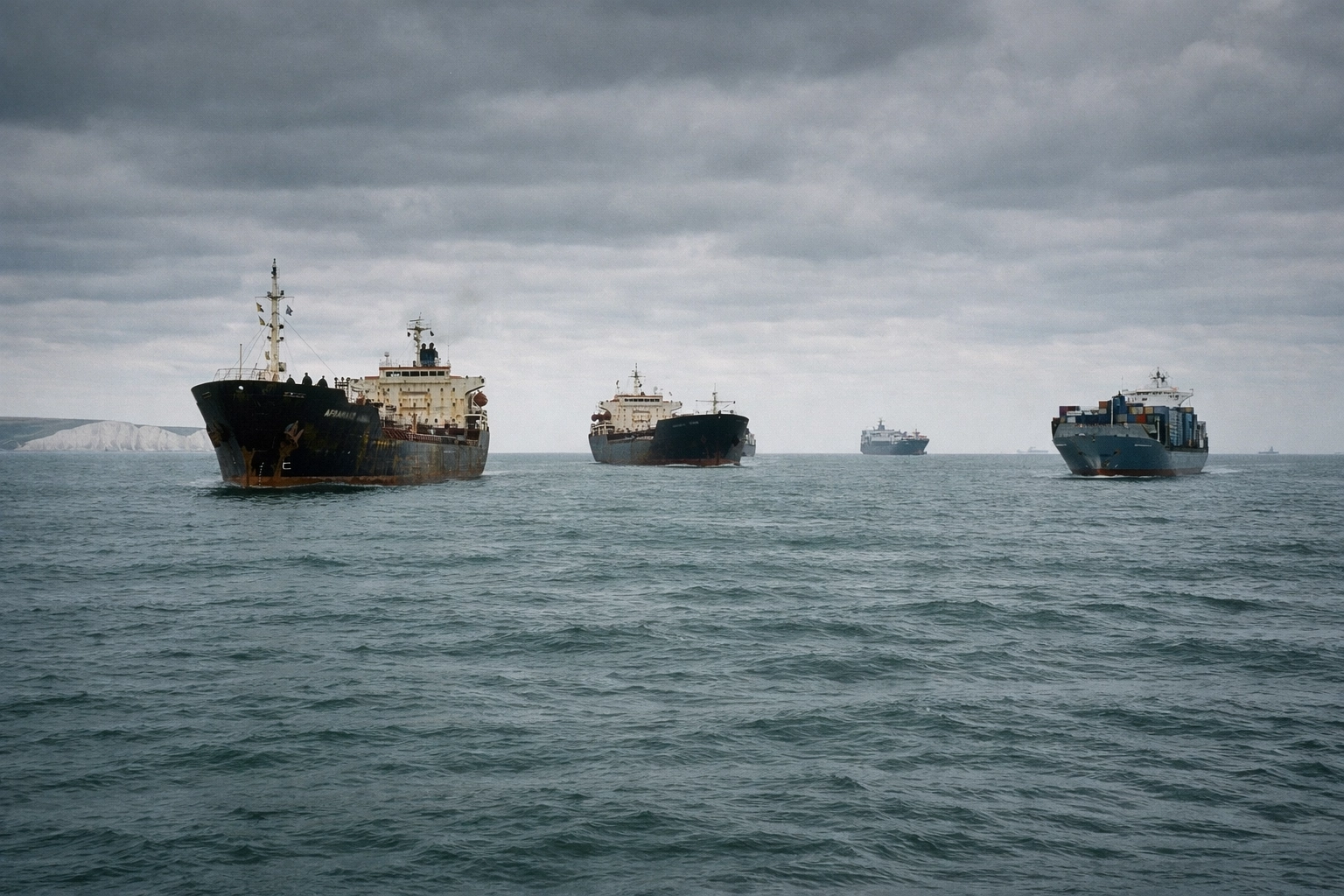
The English Channel is one of the world’s busiest and most vital shipping lanes. Every day, hundreds of vessels pass through its narrow waters, carrying everything from consumer electronics to food supplies. However, amongst the legitimate cargo ships and ferries, a more mysterious and potentially dangerous group of vessels has been making its presence felt. This is what experts call the “shadow fleet”: a sprawling network of ageing tankers used to bypass international sanctions and keep oil revenues flowing into Moscow.
As an outlet for independent news uk, we believe in bringing these untold stories to the surface. The presence of these ships is not just a matter of international policy; it is a direct concern for maritime safety and environmental security. By looking closer at what is happening just off our coastline, we can have the real conversations needed to understand the true scale of this operation.
The shadow fleet is estimated to consist of around 700 vessels. These are not your standard, well-maintained tankers. Many are decades old, operating under flags of convenience and owned by opaque shell companies that are incredibly difficult to trace. Their primary mission is to transport Russian oil to global markets, circumventing the price caps and restrictions imposed by Western nations following the invasion of Ukraine.
The Invisible Fleet Lurking in the Dover Strait
When we talk about the shadow fleet, we are talking about a ghost industry that operates in the peripheral vision of international law. These ships often turn off their Automatic Identification Systems (AIS), a practice known as “going dark”. This allows them to move through sensitive areas like the English Channel without being easily tracked by standard maritime monitoring tools. By hiding their locations, they can conduct ship-to-ship transfers of oil in open water, blending different batches to disguise the origin of the cargo.
The scale of this operation is striking. It is estimated that around 40 per cent of all Russian oil exports are now carried by these shadow tankers. This is not a small smuggling ring; it is a major revenue route linked to Russia’s wider war effort. The English Channel serves as a key corridor for these ships as they move from Baltic ports towards the Atlantic and beyond.
The environmental risk to the UK is serious. Because these vessels are often old and poorly maintained, they can pose a major hazard in a narrow and heavily used waterway. Many operate without standard industry insurance, meaning that if a collision or oil spill were to happen in the Channel, accountability for the clean-up could quickly become unclear. It is one of those stories where a global crisis can suddenly feel very close to home.
Playing a Dangerous Game of Hide and Seek
The methods used by the shadow fleet to evade sanctions are becoming increasingly sophisticated. Beyond turning off transponders, some vessels use spoofing technology to broadcast false locations, making it appear as though they are hundreds of miles away from their actual position. This digital deception makes it incredibly difficult for coastguards and naval authorities to maintain a clear picture of who is in these waters at any given time.
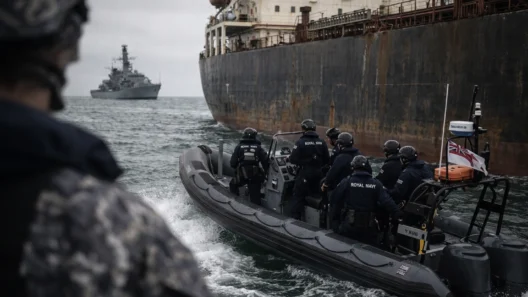
Recently, the situation has shifted from quiet evasion to something more direct. Reports have emerged of Russian naval escorts accompanying sanctioned oil tankers through the English Channel. The message is hard to miss: Moscow intends to keep these exports moving regardless of restrictions. British monitoring has increased, but intervening in international shipping lanes remains legally and diplomatically sensitive.
The ownership of these ships is a maze of paperwork. A single tanker might be owned by a company registered in the Marshall Islands, managed by an entity in Dubai, and crewed by sailors from several different countries. That complexity is deliberate. It helps protect the wider network even if one vessel is identified or sanctioned. For readers following independent news uk, this is exactly why untold stories like this matter. The surface story is only part of what is going on.
The financial incentive to keep this fleet running is enormous. With billions of pounds at stake, organisers are willing to take huge risks. They rely on the fact that the Channel is so crowded that a few extra tankers may slip by without drawing enough attention. But as the number of these so-called ghost ships grows, so does the risk of a serious maritime incident affecting the British coastline.
The Rising Stakes for British Maritime Security
In response to this growing threat, the UK government has increased its focus on the shadow fleet. Prime Minister Keir Starmer has already placed sanctions on more than 500 vessels identified as being part of the network. These sanctions are meant to stop the ships from entering British ports and from accessing major UK maritime services such as insurance and brokerage.
But sanctions on paper are only part of the picture. Enforcement at sea is where things become much more complicated. The UK is working with the Joint Expeditionary Force, including Finland, Sweden and Estonia, to tighten oversight around the maritime choke points that Russia relies on. From the Baltic Sea to the North Sea and into the Channel, the aim is to make operations harder, slower and more expensive for the shadow fleet.
There has also been discussion around whether military forces could intercept and board suspicious vessels. That would mark a major escalation, but it shows how seriously the issue is being treated. The prospect of a military flashpoint in the English Channel is sobering. At the same time, leaving uninsured and poorly regulated tankers to move through one of the world’s busiest sea routes also carries obvious risks.
This is why real conversations about maritime security, sanctions enforcement and environmental risk matter. It is not only about oil. It is also about the rule of law at sea and whether international restrictions can be meaningfully enforced in practice.
The shadow fleet represents a major challenge for the UK’s maritime strategy in 2026. As the cat-and-mouse dynamic between sanctions evaders and naval authorities continues, the English Channel remains a frontline in a quieter but high-stakes conflict. Further developments are likely as the UK and its allies look for ways to close the loopholes that allow these vessels to keep operating.
The presence of Putin’s shadow fleet in the English Channel is a reminder of how modern geopolitical conflict often unfolds in ways that are easy to miss until the risks become harder to ignore. While the ships themselves may be old and hidden behind layers of corporate bureaucracy, their impact on sanctions enforcement and maritime safety is significant. As the UK continues to work with international partners on the issue, the security and environmental health of the Channel will remain under close attention.