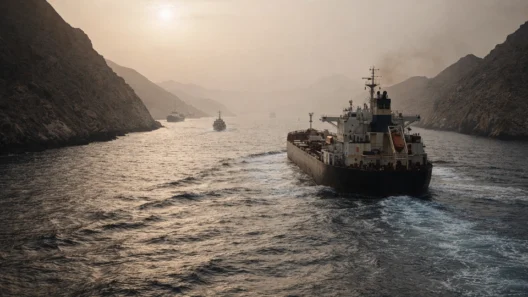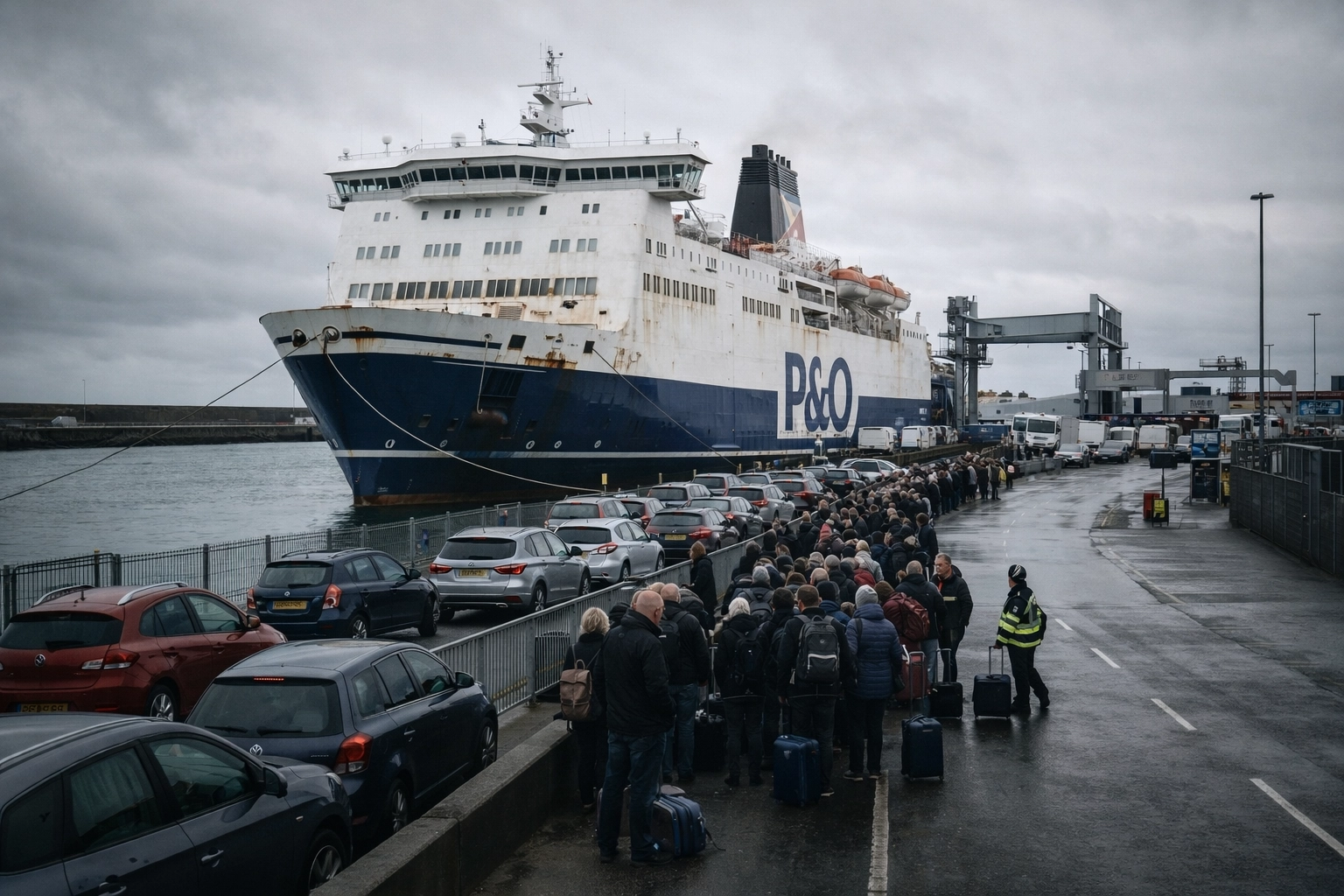
For an island nation, the sea is more than just a scenic backdrop; it is a vital motorway that connects our communities. For decades, the UK ferry industry has been the silent engine of the economy, carrying everything from tourists and commuters to essential groceries and medical supplies. However, that engine is beginning to stall. What was once a reliable service has transformed into a source of constant anxiety for those who live on the fringes of the British Isles.
As we dig into the details at NowPWR, we are finding that the situation is far more precarious than most people on the mainland realise. This isn't just about a holiday being delayed by a few hours. This is about a systemic failure of infrastructure that is leaving thousands of people effectively cut off from the rest of the country. In our mission to provide independent news uk, we believe it is essential to highlight how these transport links have reached a critical breaking point.
The Breaking Point of a Vital Lifeline
The crisis is perhaps most visible along the west coast of Scotland, where the state-owned operator CalMac is struggling to maintain its ageing fleet. Many of the vessels currently in operation are well past their intended retirement age, leading to a domino effect of technical failures. When one ship goes down for repairs, it has to be replaced by another, which then leaves a different route vulnerable. It is a constant game of musical chairs played with multi-million-pound vessels, and the islanders are the ones who lose when the music stops.
These are the real stories that often get buried under the headlines of national politics. We are talking about pensioners who cannot attend oncology appointments because the morning ferry was cancelled without notice. We are talking about parents who cannot get their children to school on the mainland, and businesses that are watching their stock rot on the quayside. The Glen Sannox, a vessel intended to be a beacon of hope for the fleet, has become a symbol of the crisis instead. Plagued by delays and massive budget overruns, its recent technical faults after finally entering service have left many wondering if a solution is even in sight.
The frustration in these areas is palpable. There is a growing sense that remote communities in the UK are being treated as an afterthought by central planners. In independent news uk, this kind of disruption matters because it affects daily life in ways that are easy to miss from Westminster or major cities. When a ferry fails, it is not just a transport issue; it is a breakdown of the social contract.
When Infrastructure Starts Holding Communities Back
The problems are not confined to technical glitches on the ships themselves. The infrastructure supporting these vessels, from ports and piers to linking roads, is also showing signs of severe neglect. In many cases, even if a new ferry were available, the existing harbour facilities are not equipped to handle modern, larger vessels. That creates a bottleneck that slows down the whole system and makes long-term planning much harder.
For the local economy, the impact is severe. Tourism is the lifeblood of many UK islands, but few people want to book a trip when there is a real chance the ferry will not run. We have heard untold stories of hotel owners seeing their summer bookings disappear after a single weekend of cancellations. The uncertainty puts off investment too. If a business cannot rely on goods reaching the mainland on time, it becomes much harder to stay afloat.
Furthermore, the environmental cost of this crisis is often overlooked. Older ships are significantly less fuel-efficient and produce higher emissions than modern alternatives. As the UK works towards net zero goals, the delay in launching newer, cleaner vessels leaves operators relying on a carbon-heavy fleet that is increasingly expensive to run. The lack of a joined-up national strategy means the system is falling short for both communities and the environment.
Navigating a More Reliable Future
Fixing the ferry crisis will require more than a quick cash injection. It needs a serious rethink of how maritime transport is viewed in the UK. For too long, ferries have been treated as a niche service rather than essential national infrastructure. A long-term plan for fleet renewal, maintenance and harbour upgrades would be a more realistic starting point than another short burst of reactive funding.
Reliability has to come first. That means investing not only in the ships but in the resilience of the entire network. Backup vessels, stronger maintenance capacity and upgraded port infrastructure all matter. There is also a case for giving local communities a greater voice in how routes are run, because the people who depend on these services understand the pressures better than anyone else.
As an independent voice, NowPWR remains focused on the untold stories behind public infrastructure failures and the real stories of people left dealing with the consequences. The UK ferry industry is at a crossroads, and the decisions made over the next few years will shape whether coastal and island communities can thrive or continue to be held back by a system that no longer feels fit for purpose. With proper investment, transparent management and sustained attention, this crisis can still be addressed in a practical and lasting way.