The term "County Lines" has become a regular fixture in our news cycle, yet for many, it remains a shadowy concept that happens elsewhere. We hear about arrests, drug seizures, and police raids, but the true human cost is often buried beneath the statistics. At the heart of this criminal enterprise is a devastating system of child exploitation that turns our playgrounds into recruitment offices and our vulnerable young people into disposable assets. As part of our commitment to sharing untold stories, we need to look past the headlines and understand the reality of what is happening on our streets.
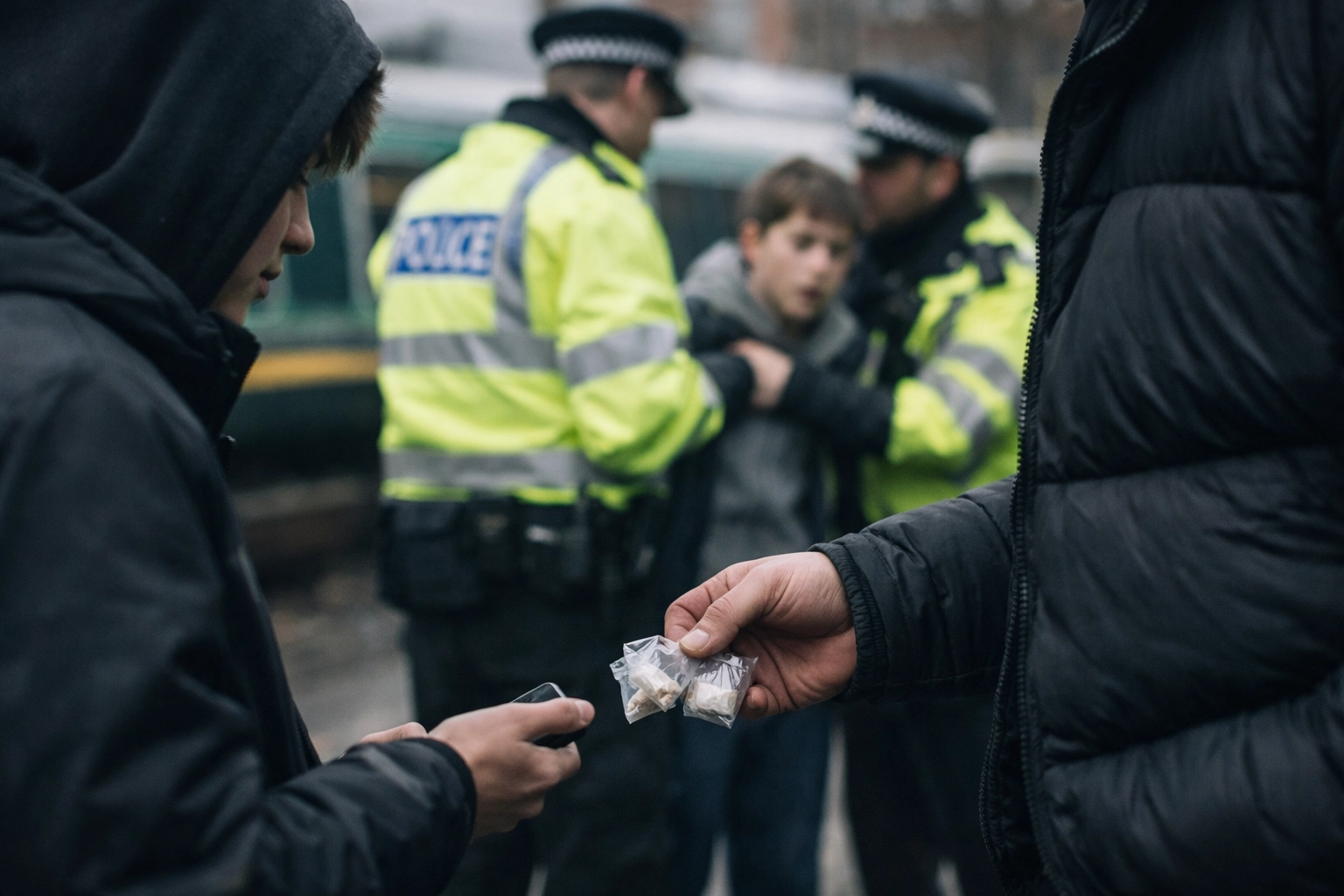
County lines refers to the process where urban gangs expand their drug dealing operations into smaller towns and rural areas. They use dedicated mobile phone lines: the "lines": to take orders from customers. To keep the operation running, these gangs rely on children and vulnerable adults to move and store drugs and money. It is a business model built entirely on the exploitation of others, and it is happening in every corner of the British Isles. As an independent news uk outlet, we believe it is vital to shed light on how these networks operate and, more importantly, how they target our children.
The impact on families is profound. Often, parents are left wondering how their child, who was once focused on school or football, suddenly became involved in a world of violence and fear. The transition is rarely overnight; it is a calculated, slow-burn process designed to alienate the child from their support systems and bind them to the criminal network.
The Subtle and Dangerous Art of Grooming
The way children are pulled into county lines is rarely through overt force at the beginning. Instead, gangs use a sophisticated method of grooming that mirrors the tactics used by sexual predators. It begins with the identification of a vulnerability. This might be a child struggling at school, someone facing problems at home, or a young person who simply feels lonely and is looking for a sense of belonging. The gang members provide what the child is missing: friendship, protection, and a sense of status.
In the initial stages, known as the "honeymoon period," the child is showered with gifts. This might include expensive trainers, new tracksuits, gaming credits, or simply cash for food and snacks. To a teenager who has very little, this can feel like a genuine friendship. They are made to feel important, often being given small tasks that seem harmless at first, such as keeping an eye out for police or delivering a "package" to a nearby address. They are told they are part of a family, a brotherhood that looks out for its own.
However, this generosity is a debt in disguise. Once the child is sufficiently involved, the gang will manufacture a situation to create "debt bondage." This could be a staged robbery where the child "loses" the drugs or money they were carrying. Suddenly, the friendly older "brother" disappears, replaced by a cold, calculating handler who demands repayment. The child is told they owe thousands of pounds and the only way to pay it off is to work. This is the moment the trap snaps shut. The child is no longer a "friend"; they are property.
Life on the Line and the Reality of Cuckooing
Once a child is trapped in the network, their life changes dramatically. They are often sent far away from home to "run" the line in a coastal or market town where they have no connections. They might be forced to stay in "trap houses": properties that have been taken over by the gang. This process is known as "cuckooing," where gang members target the homes of vulnerable people, such as those with mental health issues or drug dependencies, and use their residence as a base of operations.
The conditions in these houses are usually horrific. They are often unsanitary, crowded, and dangerous. For a child living there, the reality is a constant state of fear. They are at risk of violence from rival gangs, the people they are selling drugs to, and their own handlers if the profits aren't high enough. They are often forced to carry weapons for protection, which further increases their risk of arrest and serious injury.
The physical toll is matched by the psychological trauma. These children are witnessing and experiencing things that no adult should have to endure. They are exposed to extreme violence, drug use, and sexual exploitation. The "untold stories" of these children are often filled with tales of being forced to sleep on floors, going days without proper food, and being coerced into acts they never thought they were capable of. The sense of isolation is absolute; they cannot call their parents for help because they have been told their family will be hurt if they talk to the police or try to leave.
Breaking the Cycle of Criminalisation and Protecting the Future
One of the biggest challenges in the battle against county lines is how we, as a society, view the children involved. For a long time, the prevailing response was to see these young people as criminals first and victims second. When a seventeen-year-old is caught with a bag of Class A drugs and a knife, the instinct of the justice system has often been to prosecute. However, a shift in perspective is desperately needed. We must recognise that these children are being exploited.
Frontline workers, including police officers, social workers, and teachers, are increasingly being trained to spot the signs of grooming. A child who is suddenly carrying two phones, wearing clothes they can't afford, or missing school for days at a time isn't necessarily "going off the rails": they might be a victim of a county lines network. Assigning victim status is crucial because it changes the support they receive. Instead of a criminal record that ruins their future, they can be offered the protection and rehabilitation they need to escape the cycle of violence.
Furthermore, community resilience is key. Schools and youth centres play a vital role in educating young people about the tactics used by gangs. By demystifying the "glamour" of the gang lifestyle and showing the grim reality of debt bondage and trap houses, we can help children make informed choices. Supporting parents is equally important; many feel a sense of shame or failure when their child is involved, which prevents them from seeking help. As an independent news uk voice, we believe in fostering a culture where families can speak out without fear of judgement.
The battle against county lines is not just a policing issue; it is a safeguarding crisis. It requires a co-ordinated effort across healthcare, education, and the legal system to ensure that the most vulnerable members of our society are not left to fend for themselves against organised crime. By telling these stories and refusing to look away from the human cost, we can begin to dismantle the networks that profit from the destruction of young lives.
Addressing the problem requires looking at the root causes, such as poverty and the lack of youth services, which leave children vulnerable to recruitment. When we invest in our communities, we provide children with the safety nets they need to resist the lures of gang life. The battle is ongoing, but through awareness, empathy, and a commitment to protecting every child, it is a battle that can be won.
The path to recovery for a child who has been exploited by county lines is long and difficult. They require intensive therapy to process the trauma and a safe environment to rebuild their lives. However, with the right support, many do go on to live healthy, productive lives. Our goal must be to ensure that no more children are lost to these networks and that the "untold stories" of today become the cautionary tales that protect the children of tomorrow. Through dedicated reporting and community action, we can continue to stand against the exploitation that threatens our youth.