The shadow of Jeffrey Epstein has loomed over international politics for years, but 2026 is proving to be a watershed moment for those seeking clarity on the extent of his influence. What was once relegated to the corners of the internet has moved into the centre of parliamentary debate and congressional hearings. As more files are unsealed and investigators dig deeper into the financial and social webs of the disgraced financier, the political fallout is reaching a fever pitch. In the UK, the focus has shifted sharply toward established figures, most notably the ongoing scrutiny surrounding Peter Mandelson and his historical associations.
For many following the situation through independent news uk sources, the sheer volume of information can be overwhelming. We are no longer just looking at a list of names; we are looking at a complex machinery of power, patronage, and silence that has operated for decades. The latest revelations are not just about the past; they are about how modern political systems handle transparency and whether the "untold stories" of those affected will ever truly be heard.
The public's appetite for the truth has never been higher. There is a sense that the traditional guardrails of political PR are failing to contain the leak of information. This isn't just a scandal involving a few bad actors; it is a systemic challenge that touches on tax evasion, intelligence gathering, and the integrity of democratic institutions. As we unpack the latest developments, it becomes clear that the Epstein saga is far from over: it is simply entering a more litigious and politically charged phase.
The shifting landscape of transparency
In the UK, the political climate is particularly tense as questions regarding Peter Mandelson’s links to Epstein resurface with fresh intensity. While these connections have been discussed in the past, new documents suggest a deeper level of interaction than previously acknowledged. This has prompted calls from various corners of Westminster for a more robust inquiry into how such associations were managed while individuals held high-ranking public offices. The demand for transparency isn't just coming from the opposition; it is a cross-party sentiment driven by a public that feels the full story has been kept under wraps for too long.
The role of independent news uk outlets has been vital in this regard. Without the pressure from non-aligned investigative journalists, many of these details might have remained buried in redacted legal filings. These outlets have been instrumental in highlighting the "untold stories" of the victims and the intricate ways in which Epstein managed to navigate the highest levels of British society. The narrative is no longer controlled by a few large media conglomerates, allowing for a broader and more critical examination of the facts.
Across the Atlantic, the situation is equally volatile. The release of files containing thousands of references to Donald Trump has reignited debates about oversight. While the presence of a name in these files does not automatically imply wrongdoing, the sheer volume of data: approximately 38,000 references in certain document batches: provides a massive amount of material for investigators to sift through. The political implications are significant, especially as the Trump administration faces criticism for its handling of the Epstein Files Transparency Act. Promised transparency has met the reality of bureaucratic delays and the withholding of key documents, leading many to wonder what remains hidden.
Financial webs and legal cross-fire
While the social connections grab the headlines, the financial revelations are perhaps more damaging in the long run. The investigation led by Senator Ron Wyden into Leon Black, the co-founder of Apollo Global Management, has uncovered a series of massive, unexplained payments to Epstein. These payments, ostensibly for tax and estate planning, were reportedly thirty times higher than those paid to top-tier elite advisors. This discrepancy has raised major red flags for the Senate Finance Committee, which has been investigating the matter for four years.
Evidence from the investigation suggests that the financial relationship went beyond simple consulting. There are allegations that millions were routed through sham charities to avoid public disclosure and maximise tax deductions. More disturbingly, the investigation has looked into claims that Epstein and his associates conducted surveillance on women on behalf of his wealthy clients. The involvement of major law firms in these activities suggests a level of institutional complicity that is difficult to ignore. The fact that Epstein allegedly provided information to the Russian government regarding the locations of certain individuals further complicates the geopolitical narrative, adding a layer of international intrigue to an already dark story.
These financial "untold stories" are crucial because they show how Epstein used his wealth and connections to insulate himself and his associates from scrutiny. By positioning himself as a indispensable financial wizard, he gained access to boardrooms and political circles that would otherwise have been closed to him. The current legal cross-fire is an attempt to dismantle this protective shell and hold those who facilitated his lifestyle accountable. As more whistleblowers come forward and more financial records are analysed, the picture of a vast, interconnected network of influence becomes clearer.
Seeking accountability in a digital age
The battle for accountability has moved into the courtroom in new and unexpected ways. In late March 2026, an Epstein victim filed a significant lawsuit against the Department of Justice and Google. The suit centres on the inclusion of identifying information in the recently released files, arguing that the lack of proper redaction has caused further harm to those already traumatised. This highlights a modern dilemma: how do you provide the public with the transparency they deserve while protecting the privacy and safety of victims? It is a delicate balance that the legal system is still struggling to get right.
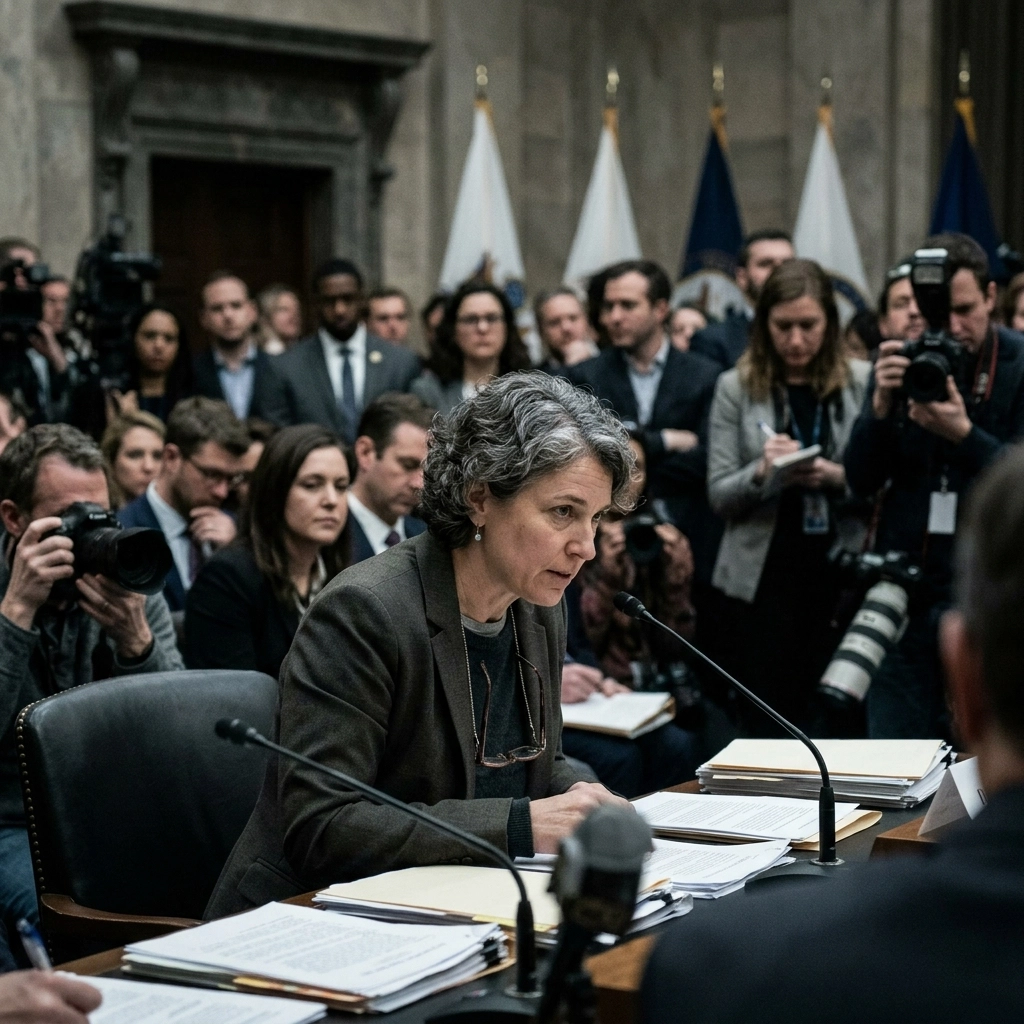
In the US House of Representatives, the tension reached a boiling point during a Judiciary Committee hearing in February 2026. Lawmakers grilled former Florida Attorney General Pam Bondi over the Department of Justice’s handling of sensitive investigations. The questioning was pointed, with members of the committee demanding to know why high-profile individuals seemed to receive different treatment during the initial phases of the Epstein investigation years ago. These hearings are part of a broader effort to ensure that the mistakes of the past are not repeated and that the justice system operates fairly, regardless of the status of those involved.
As we look toward the future, the fallout from these revelations will likely continue to shape the political landscape for years. The "untold stories" of the victims are finally being given the weight they deserve, and the demand for accountability is louder than ever. Whether it is through the work of independent news uk organisations or through formal government investigations, the goal remains the same: to uncover the truth and ensure that such a network can never operate in the shadows again. The latest revelations are a reminder that while the wheels of justice turn slowly, they are finally moving in the right direction.
The complexity of the Epstein-Mandelson fallout serves as a stark reminder of the importance of an active and free press. Without consistent pressure and investigative rigour, the details of these political and financial entanglements might never have seen the light of day. As 2026 progresses, the focus will remain on the ongoing trials, the release of further documents, and the political careers that may rise or fall based on what is found within them. The narrative is shifting from one of secrecy to one of scrutiny, and the public is no longer willing to look the other way.
Ultimately, the goal of unpacking these revelations is to create a more transparent political environment. The lessons learned from the Epstein case are being applied to current oversight mechanisms, with the hope that the "untold stories" of today will not become the scandals of tomorrow. As the investigations continue, the commitment to uncovering the full truth remains the most effective tool against the misuse of power. The journey toward full accountability is long, but each new revelation brings us one step closer to a clearer understanding of the forces that have shaped our political world.