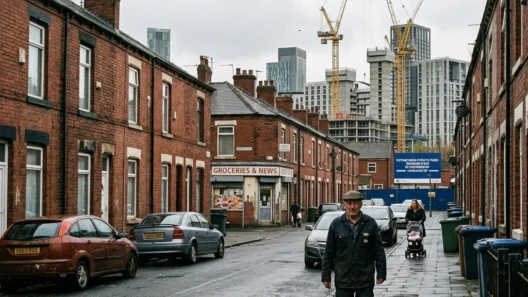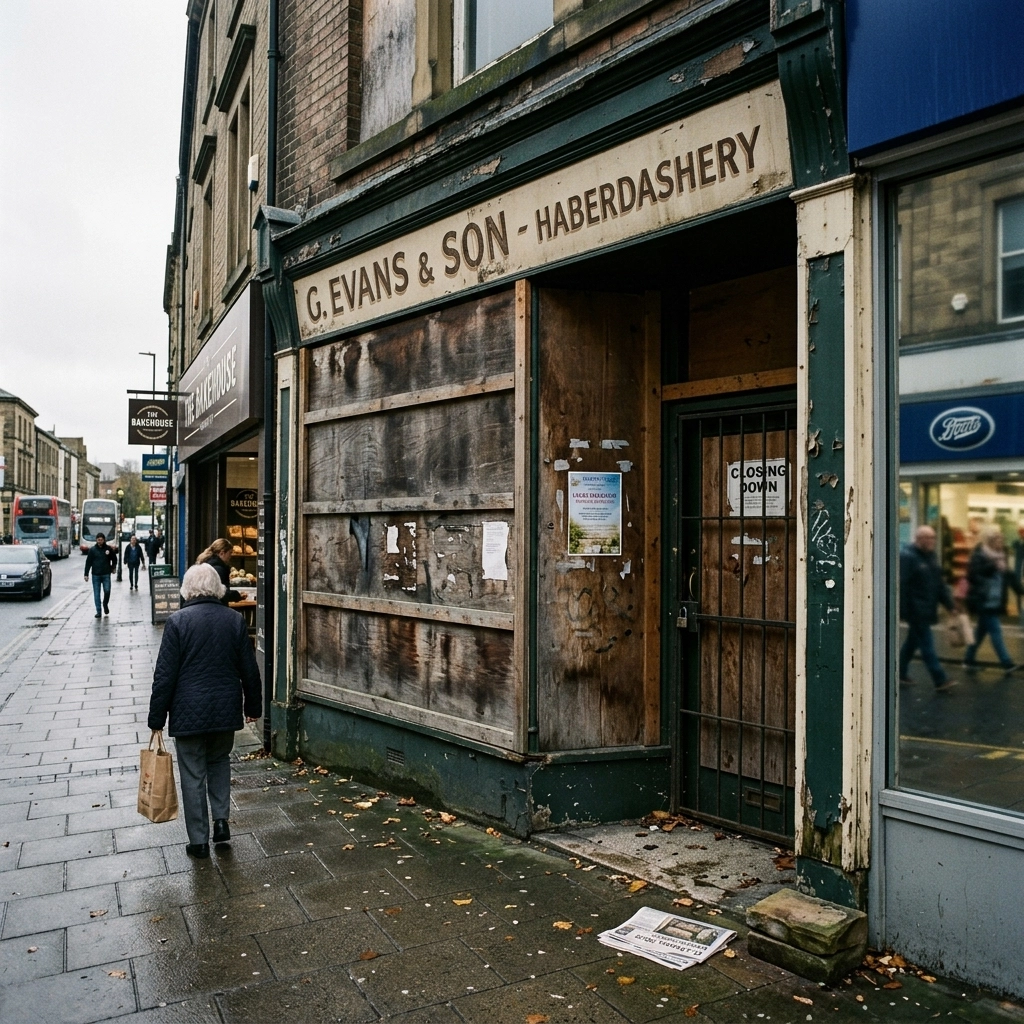
Walking down a typical British high street in 2026 feels a little different than it did even five years ago. There is a specific kind of silence that hangs over the rows of shuttered windows and the fading "To Let" signs that have become as common as pigeons in our town centres. For many of us, these streets were once the beating heart of our communities. They were where we met friends for a quick coffee, where we bought our first school uniforms, and where local business owners knew us by name. Today, those vibrant hubs are increasingly being replaced by empty units or temporary "pop-up" shops that lack the soul of what came before. This shift isn't just an aesthetic change; it is a fundamental shift in how our society functions, driven by a messy mix of economic pressure and changing habits.
The decline of the high street is often talked about in dry, statistical terms, but for those living through it, it feels like losing a piece of local identity. We see the statistics: in 2024, more than 12,800 chain stores closed across the UK, averaging over 35 closures every single day. By the time we reached late 2025, tens of thousands more businesses were reporting critical financial distress. As an outlet focused on independent news uk, we believe it is vital to look beyond the numbers and understand the "why" behind these closures. It isn't just unfortunate; it is the result of a system that has, in many ways, become stacked against the independent retailer.
The crushing weight of business rates and the funding divide
One of the biggest hurdles facing any physical shop today is the sheer cost of simply existing in a brick-and-mortar space. Business rates, the tax paid on non-domestic properties, have long been a point of frustration for retailers. Unlike online giants that can operate from massive, low-rent warehouses in the middle of nowhere, local shops are tied to high-value locations. These rates are often based on outdated property valuations that don't reflect the current reality of footfall on the high street. For a small independent bookshop or a family-run hardware store, the monthly bill for business rates can sometimes exceed their actual rent, creating a financial ceiling that is almost impossible to break through.
This issue is compounded by a broader regional disparity in how our towns are funded and supported. There is a sense that some areas are left to wither while others receive the lion's share of investment. This funding lottery often means that councils in struggling areas have less money to spend on town centre improvements, parking incentives, or community events that would normally draw people back to the shops. It becomes clear that the survival of a local shop often depends more on its postcode than the quality of its service. When a council is forced to cut back on basic services, the high street is usually the first place to show the scars.
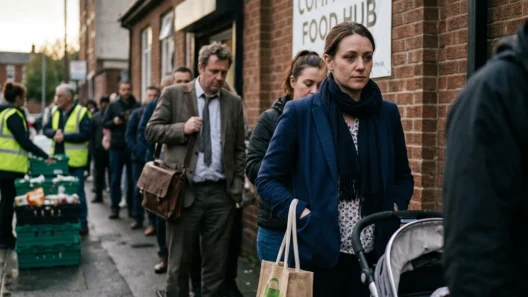
Beyond the tax man, the cost of living crisis has fundamentally rewritten the rules of consumer spending. With energy bills and grocery prices remaining stubbornly high, the "frivolous" trip to the high street has become a luxury many can no longer afford. People are no longer popping in for a browse; they are making surgical strikes for essentials or staying home entirely. This reduction in footfall creates a vicious cycle. Less footfall leads to lower revenue, which leads to staff cuts or reduced hours, which makes the shopping experience less attractive, leading to even less footfall. For many local heroes, the struggle to keep the lights on has simply become too much.
The digital shift and the convenience trap
It would be impossible to discuss the decline of the high street without mentioning the massive shadow cast by online retail. The convenience of one-click ordering and next-day delivery has transformed the way we think about shopping. In the past, if you needed a specific lightbulb or a particular pair of shoes, you had to go and find them. Today, you can find them in thirty seconds while sitting on your sofa in your pyjamas. Online giants have spent billions perfecting a system that removes almost every friction point from the buying process.
However, this convenience comes at a cost that isn't always visible on the checkout screen. When we choose the digital giant over the local independent, we are participating in a slow erosion of our own neighbourhoods. The online giants don't sponsor the local football team, they don't provide a space for elderly residents to have a chat, and they don't contribute to the unique character of a town. They are efficient, yes, but they can feel sterile. The shift towards digital consumption has turned the high street into a showroom where people go to see a product in person before going home to buy it cheaper online. This showrooming is a death knell for retailers who still have to pay for the heating, the staff, and the physical space that allows the customer to see the product in the first place.
As these traditional shops disappear, the gap they leave behind is rarely filled by something of equal value to the community. We are seeing an explosion of vape shops, betting offices, and fast-food takeaways. While these businesses serve a purpose, they do not offer the same third-space environment that a local deli or a craft shop provides. This transformation of the high street from a community hub into a row of services with limited social value is one of the many untold stories of our modern economy. It changes the atmosphere of a town and can make places feel less welcoming to families, which further accelerates the decline of the remaining traditional shops.
Preserving the human connection and untold stories
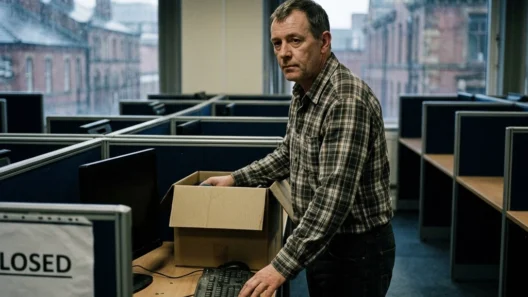
What we lose when a local shop closes is not just a place to buy goods; we lose a person. Every shuttered window represents an entrepreneur who took a risk, a family whose livelihood was tied to that counter, and a group of employees who are now looking for work. These are the untold stories that often get lost in the national headlines about retail trends. Behind every Closed sign is a story of a dream that met the harsh reality of modern economics. These shopkeepers were often the eyes and ears of the street, the people who would check in on a regular customer they hadn't seen in a while or offer a bit of advice that Google simply cannot replicate.
The social function of the high street is perhaps its most underrated asset. In an era where loneliness is becoming a public health crisis, the "casual encounter" at a local shop is a vital lifeline. For an elderly person living alone, a conversation with the local butcher might be the only social interaction they have all day. When that shop closes and is replaced by an automated kiosk or an empty lot, that connection is severed. We are effectively trading our social fabric for the convenience of home delivery.
To save what is left, there needs to be a radical rethink of how we value these spaces. It isn't enough to simply "buy local" once a year on a designated Saturday. It requires structural changes to business rates, better regional funding, and a genuine commitment from local councils to make town centres accessible and attractive. We need to decide if we want our towns to be places where people live and interact, or if we are happy for them to become mere transit zones for delivery drivers. The ghosts of the high street are a warning: once these shops are gone and the buildings are converted into luxury flats or left to rot, the heart of the community is very difficult to restart.
The current state of our high streets is a reflection of our collective priorities. While the economic forces of online retail and high overheads are powerful, they are not inevitable. By following independent news uk and staying informed about the local issues that affect our boroughs, we can start to have more honest conversations about what we want our communities to look like. The high street does not have to be a place of ghosts; it can still be a place of life, provided we recognise its value before the last shutter comes down for good.
The decline of the UK high street is a complex issue rooted in shifting consumer habits and a challenging economic landscape. As online platforms continue to dominate the retail sector and operating costs for physical stores remain high, the traditional role of the town centre as a primary commercial hub is being fundamentally altered. Addressing these challenges will likely require a combination of policy reform and a renewed focus on the social value that local businesses provide to their communities. Keeping the high street relevant in the digital age remains one of the most significant urban challenges of the decade.