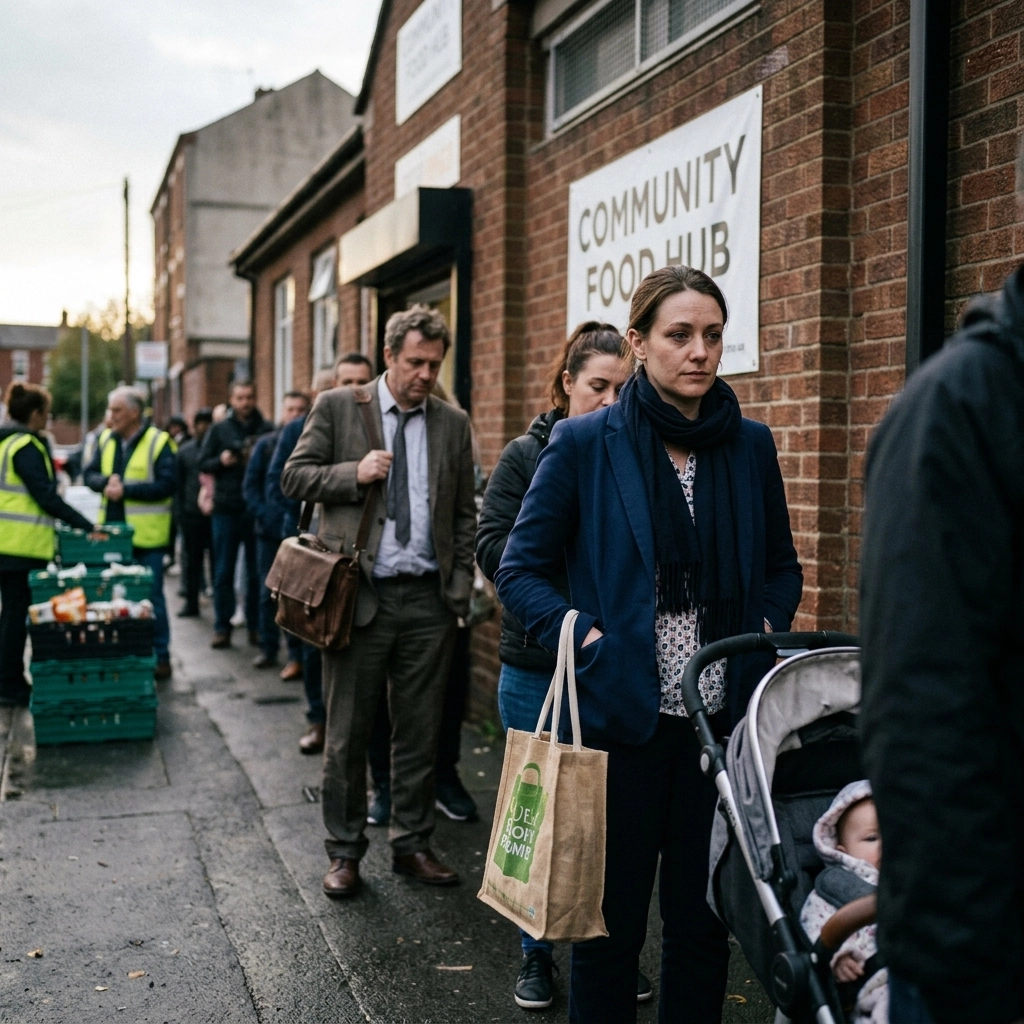
Walk through the centre of any major UK city at 7:30 AM on a Tuesday, and you will see a familiar sight: the morning rush. Commuters are pouring out of train stations, clutching reusable coffee cups and checking their smartwatches. But in the shadows of the glass-fronted office blocks in London, Manchester, and Birmingham, a different kind of queue is forming. It is a line of people who, at first glance, look exactly like the commuters passing them by. They are wearing ironed shirts, professional blazers, and lanyards. The only difference is that they aren't waiting for a flat white or a bus; they are waiting for a bag of pasta and a tin of tomatoes.
For years, the public perception of food bank users has been tied to a specific, often unfair, stereotype. We were told these services were a "safety net" for those on the very fringes of society: those dealing with long-term unemployment or complex benefit issues. However, as we navigate the landscape of April 2026, that image has been shattered. The demographic has shifted dramatically. Today, the primary users of food banks in our major cities are full-time workers. We are talking about the "working poor," but with a new twist: the professional working poor.
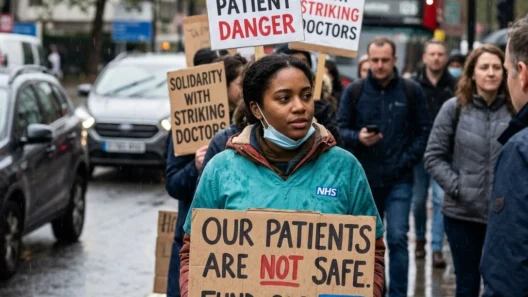
As an outlet for independent news uk, we believe in shedding light on the untold stories that the mainstream headlines often gloss over. The reality of professional poverty is one of those stories. It is the story of the teacher who skips lunch so their students don’t see their hands shake, the junior solicitor who can’t afford the commute and the grocery shop in the same week, and the NHS nurse who relies on community larders to bridge the gap between paydays.
The quiet shift from benefits to the boardroom
The transition didn't happen overnight, but the acceleration over the last eighteen months has been striking. Food bank coordinators across the country are reporting a "new type of client". These are people who have never used the benefits system, who have degrees, and who work in careers once seen as stable. The stigma that once kept these professionals away is being worn down by simple necessity. When the choice is between keeping up appearances and eating properly, appearances eventually give way.
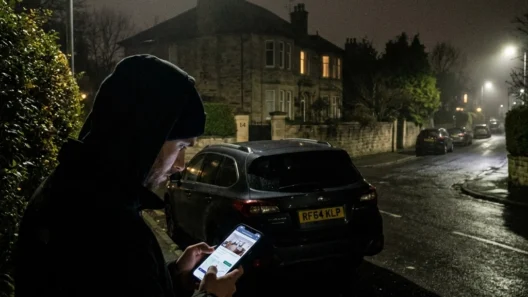
In cities like London, the pressure is particularly acute. The cost of living isn't just a buzzword; it’s a physical weight. We’ve seen reports of people working in the City who are secretly accessing food parcels in the early hours before their shifts start. These individuals often go to great lengths to hide their situation from colleagues. They might use high-end gym bags to carry their food parcels or arrange for late-evening pick-ups to avoid being seen by someone they know. This "hidden hunger" is a burgeoning crisis that challenges our understanding of economic stability in the 2020s.
The complexity of this shift is also linked to regional disparities. While the headlines often focus on the capital, the reality in the North and the Midlands is equally grim. Local authorities are struggling to keep up with the demand, and the funding gaps are becoming more apparent. This is often exacerbated by what many describe as a postcode lottery, where the amount of support available depends entirely on your postcode, regardless of your professional status or salary bracket.
When a full-time salary fails the fridge
Why is a full-time salary no longer enough to keep the fridge full? The answer lies in a "perfect storm" of economic pressures that have hit the middle-income bracket harder than many anticipated. While inflation has fluctuated, the cost of core essentials: rent, energy, and basic nutrition: has remained stubbornly high. For a professional living in an urban centre, these fixed costs often consume upwards of 70% of their take-home pay. Once you factor in student loan repayments, professional insurance, and the rising cost of public transport, there is virtually nothing left for the "buffer" that used to protect people from food insecurity.
Many of these workers fall into a "grey area" of support. They earn too much to qualify for government assistance or Universal Credit, but they earn too little to actually live in the cities where their jobs are located. This is the demographic that is truly being squeezed. They are the people living in the hurricane of urban inflation. In East London, for example, food banks that once served a small, local community are now seeing a massive influx of young professionals who moved to the area for work but have been caught out by soaring rents and the disappearance of affordable shops.
The psychological toll on these workers is immense. There is a profound sense of "failure" that comes with being a working professional who cannot afford to eat. Society tells us that if you work hard, get an education, and secure a "good job", you will be comfortable. When that social contract breaks down, the result is a mental health strain that is often carried in silence. The casual observer sees a well-dressed person on the Underground; they do not see someone quietly working out whether they can afford a £1.50 tin of soup for dinner.
Reclaiming the narrative through untold stories
One of the most important roles of independent media is to challenge the narratives that keep these issues hidden. The "professional food bank user" is often ignored because their existence is inconvenient for the standard economic recovery story. It is easier to talk about "record employment levels" than it is to talk about "record levels of employed people who are struggling to eat". By focusing on these untold stories through independent news uk, we can begin to understand the true state of the nation.
Community responses are evolving to meet this new demand. We are seeing the rise of "social supermarkets" and "community pantries" that operate on a membership model rather than a traditional handout system. These models are particularly popular among professionals because they feel more like a shopping experience and less like a charity case. Members pay a small weekly fee: perhaps £5: and can choose a certain number of items. It preserves dignity while providing a vital lifeline. These hubs are becoming the new town squares, where people from all walks of life: from the shop floor to the executive suite: find common ground in a shared struggle.
The narrative is also being changed by the food bank volunteers themselves, many of whom were once clients. There is a growing movement of professionals who, having found their feet again, are dedicating their spare time to managing the logistics of these charities. They bring their skills in project management, law, and finance to make these organisations more efficient. This cross-pollination of professional skill and community need is perhaps the only silver lining in an otherwise dark cloud. It shows a level of resilience and solidarity that the official statistics often fail to capture.
The reality of 2026 is that the "face" of the food bank is no longer a single, identifiable demographic. It is a reflection of the city itself. It is the person sitting next to you on the bus, the person answering your emails, and the person teaching your children. As long as the gap between wages and the cost of living continues to widen, the queues will continue to grow, and the suits in those lines will become an even more common sight.
The shifting demographics of food bank usage in the UK highlight a significant disconnect between employment and financial security. As full-time professionals increasingly turn to emergency food provision, the traditional understanding of economic security is being redefined. Addressing this crisis requires a focus on the underlying drivers, including housing affordability and real-term wage growth, alongside continued community support. Recognising these challenges is the first step towards finding a more sustainable solution for workers across the country.