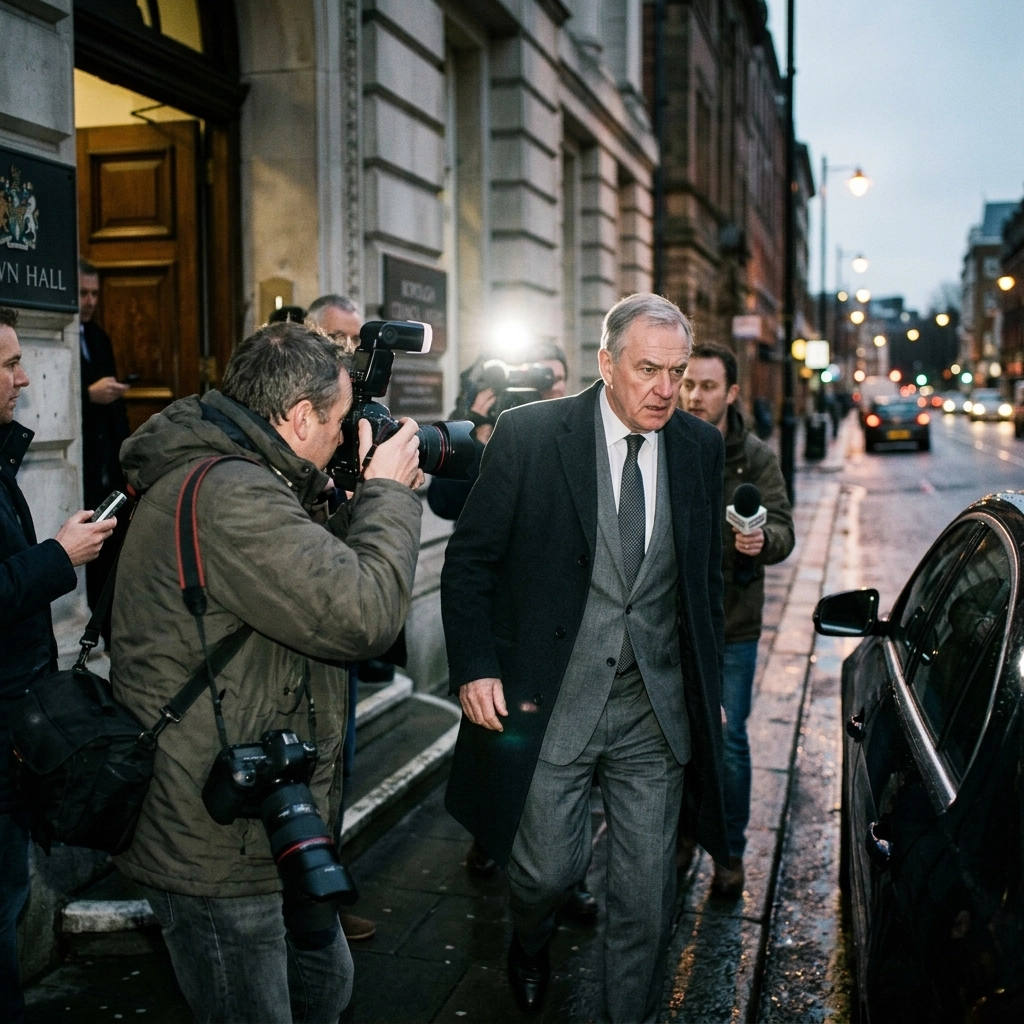
It is that time of year again when the postman drops a familiar, slightly dreaded envelope through the letterbox. For most of us across the UK, the arrival of the annual council tax bill is rarely a moment for celebration. With many local authorities implementing the maximum allowed increases this year, often around 5%, households are feeling the squeeze. While we are all being asked to pay more for services that sometimes feel like they are being stretched to breaking point, a different story is unfolding inside the town halls themselves.
The latest release of the Town Hall Rich List by the TaxPayers’ Alliance has once again pulled back the curtain on local government spending. It reveals a world of six-figure salaries, generous pension contributions, and "golden handshakes" that seem almost entirely insulated from the economic reality facing the average taxpayer. As an outlet for independent news uk, we believe it is vital to dig into these numbers to understand where your hard-earned money is actually going. This is about more than just numbers on a spreadsheet; it is about the untold stories of how public funds are prioritised during a cost-of-living crisis.
For many, the sheer scale of the remuneration packages at the top of local government is a shock. While frontline staff like social workers, bin collectors, and teachers often see modest pay increases, the executive level appears to be operating in a different financial stratosphere. With over 3,000 officials now earning more than £100,000 a year, the question of value for money has never been more relevant.
The Massive Rise of the Six-Figure Council Boss
When we look at the data provided by the TaxPayers’ Alliance, the growth in high-level pay is nothing short of staggering. According to the most recent figures, a record 3,906 council officials in the UK received total remuneration of more than £100,000 in the 2023-24 financial year. This is a significant jump from previous years and suggests that the trend of high executive pay is not slowing down, despite the financial pressures facing local authorities.
Out of those 3,906 individuals, a staggering 1,092 received more than £150,000. To put that into perspective, that is more than the base salary of many senior government ministers and, in some cases, rivals the earnings of the most powerful people in the country. In London, the concentration of these high earners is particularly dense. For instance, Westminster City Council alone had 73 staff members earning at least £100,000. While the cost of living in the capital is undoubtedly higher, the sheer volume of six-figure salaries in a single borough raises eyebrows for those paying the bills.
It isn't just a London phenomenon, though. The data shows that this is a nationwide trend. In Wales, for example, the Chief Executive of Flintshire Council received a package worth £144,000, while the interim head at Wrexham was not far behind at over £134,000. These figures include not just the base salary, but also expenses, bonuses, and the often-overlooked employer pension contributions. In many cases, the pension contribution alone is higher than the average UK worker’s total annual salary.
When we talk about these "fat cats," it is important to remember that these packages are funded directly by council tax and central government grants. At a time when councils are claiming they have no choice but to cut library hours, reduce youth services, or switch off streetlights to save money, seeing the number of people on £100k+ rise so sharply feels like a bit of a slap in the face for the local community. It highlights a disconnect between the lived experience of the residents and the administrative elite running the show.
Comparing Town Hall Pay with the Prime Minister
One of the most frequent points of comparison used by critics of council pay is the salary of the Prime Minister. While the PM's role involves overseeing the entire country, national security, and international diplomacy, their salary: which hovers around the £160,000 to £170,000 mark depending on the year: is frequently surpassed by council bosses.
The Town Hall Rich List found that hundreds of local authority employees are taking home more than the person leading the nation. In some extreme cases, council executives have received total packages exceeding £400,000, often boosted by "loss of office" payments or massive one-off pension top-ups. For example, a former chief executive at Southampton City Council reportedly received a package of over £406,000 in a single year, including a very healthy payoff.
Why does this happen? The argument from local authorities is usually that they need to offer "competitive" salaries to attract the best talent from the private sector. They argue that running a council is a complex job involving multi-million-pound budgets and thousands of employees. However, the counter-argument is that public service should not be about matching private sector bonuses, especially when there is no "profit" to be made, only public money to be managed.
In New Zealand, a similar trend has been observed, where council CEOs earn an average of 5.5 times the average national salary. This suggests a global shift in how public sector leadership is valued, often at the expense of the taxpayer. When we compare these astronomical figures to the average UK salary of roughly £35,000, it becomes clear why there is so much frustration. For many families, the idea of a £200,000 salary is a distant dream, yet they are the ones footing the bill for dozens of such salaries within their own local area. Our commitment to editorial standards ensures we present these facts clearly, allowing you to make up your own mind about whether this represents fair value.
Transparency, Tax Hikes, and the Public Interest
The real crux of the issue isn't just that people are being paid well; it’s the timing and the context. Over the last few years, the UK has seen inflation soar, energy bills rocket, and the general cost of living become a daily struggle for millions. In response, councils across the country have warned of "bankruptcy" or "Section 114 notices," suggesting they are on the brink of financial collapse.
When a council says they are broke and must raise your taxes by the maximum amount possible, but simultaneously maintains a roster of dozens of executives on six-figure salaries, the optics are terrible. It suggests a lack of accountability and a failure to lead by example. If the ship is sinking, surely the officers should be the first to take a pay cut, rather than asking the passengers to pay for more expensive lifejackets.
Transparency is a key part of the solution. The Town Hall Rich List exists because this data is often buried deep within hundreds of pages of annual accounts, making it difficult for the average person to find. By bringing these untold stories to light, we can start a conversation about what we actually want from our local government. Do we want highly-paid "managers" who focus on bureaucratic growth, or do we want leaders who are focused on delivering the best possible services for every penny of tax collected?
The public interest is served when we ask these tough questions. While some will argue that high pay is necessary for high performance, the state of our roads, the frequency of bin collections, and the availability of social care suggest that higher executive pay hasn't necessarily translated into better results for the person on the street.
Moving forward, there is a growing call for more stringent caps on public sector pay or, at the very least, a requirement for any salary over £100,000 to be voted on by local residents. Whether that ever happens remains to be seen, but for now, the list serves as a yearly reminder of the vast divide between those who pay for local services and those who manage them.
As we look at the future of our communities, it is essential to keep a close watch on how our money is being used. Local government is the foundation of our daily lives, and it deserves to be led by people who are committed to the public good. But when the "public good" starts to look like a private windfall for a select few, it is time for us to speak up. The Town Hall Rich List isn't just about envy; it's about asking for fairness, transparency, and a bit of common sense in how our country is run.