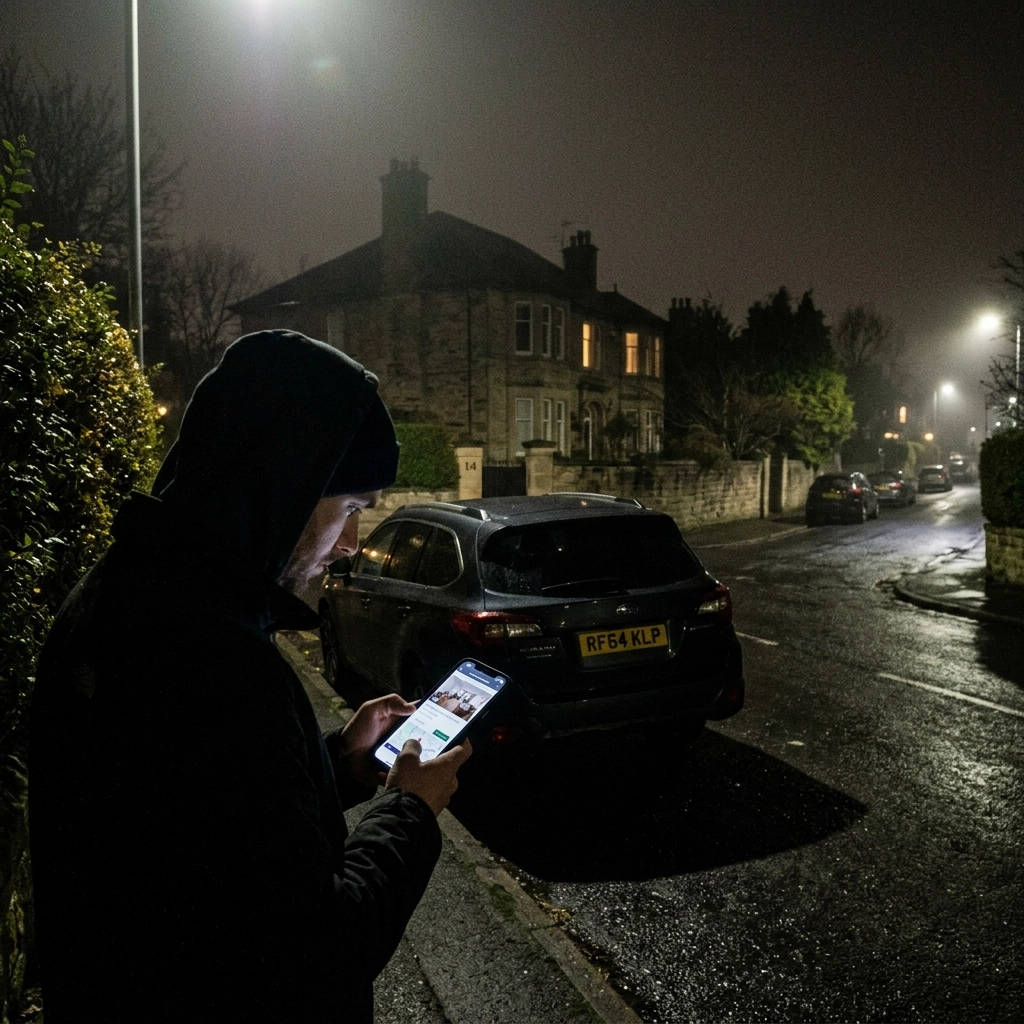
For years, the image of a burglar involved a shadowy figure in a striped jumper, physically "casing" a joint from a van parked across the street. But as with everything else in 2026, crime has gone digital. We are seeing a massive shift in how high-value raids are planned, and the tools being used are the very ones we use to find our dream homes. Websites like Rightmove and Zoopla, designed to make the property market more transparent and accessible, have inadvertently become a goldmine for organised crime groups.
Recent investigations have uncovered some pretty startling details about how gangs, particularly those of Albanian origin, have been systematically targeting affluent areas like Cheshire. They aren't just driving around looking for expensive cars anymore. Instead, they are sitting in front of laptops, using high-resolution property listings to plan their "hits" with military precision. At NowPWR, we believe in bringing you the untold stories that affect your daily life, and this digital evolution of traditional crime is something every homeowner needs to be aware of.
The convenience of a virtual 360-degree tour is great when you’re looking for a new kitchen, but for a professional thief, it’s a blueprint. It shows exactly where the alarm sensors are, which windows have the weakest latches, and most importantly, where the master suite is located. Since most people keep their jewellery and safes in the main bedroom, the "virtual casing" process allows burglars to get in and out in minutes, often before the police have even been dispatched.
How the digital scouting game works
The process starts long before a foot is set on a driveway. Using property portals, criminals can filter for homes within a specific price bracket: usually the multi-million-pound mansions found in the "Golden Triangle" of Cheshire. Once a target is identified, the level of detail available for free is staggering. High-resolution photos don't just show the aesthetic of a room; they show the brand of the security system, the thickness of the window frames, and even the type of locks on the patio doors.
We’ve seen reports indicating that these gangs are looking for very specific vulnerabilities. For instance, a 3D floor plan allows them to map out an escape route that avoids motion sensors or internal cameras. They can identify "dead zones" in a property’s security perimeter where they can enter unseen. This isn't just opportunistic theft; it’s highly organised intelligence gathering. As a source of independent news uk, we see these patterns emerging across the country, showing that this isn't just a local issue in the North West, but a national trend in high-end burglary.
Furthermore, the data doesn't stop at the house itself. By cross-referencing property listings with social media and Google Street View, criminals can build a complete profile of a family’s life. If a property listing shows a high-end watch collection or a designer handbag room, and a quick search on Instagram shows the family is currently on holiday in Dubai, the house becomes a "sitting duck." The digital footprint we leave behind is often much larger than we realise, and for those with something to lose, the risks are compounded by the very platforms meant to help us sell our homes.
The Albanian connection and the Cheshire raids
The specific gang that recently made headlines: an Albanian-origin group: operated with a level of sophistication that caught many off guard. Their focus was almost exclusively on high-net-worth individuals in affluent pockets of the UK. These weren't just random break-ins; they were high-value raids targeting cash, luxury watches, and high-end jewellery. By using property sites to scout the layouts of mansions in Wilmslow and Alderley Edge, they were able to bypass complex security measures that would have deterred less sophisticated criminals.
The raids were often carried out by teams who moved across the country, staying in short-term rentals while they executed a series of planned hits. This mobile nature makes them incredibly difficult for local police forces to track. This is one of those untold stories that highlights the gap between traditional policing methods and the borderless nature of modern, tech-savvy crime. The gang members reportedly used encrypted messaging apps to coordinate and used the floor plans from Rightmove to assign roles: one person for the perimeter, one for the entry, and one to head straight for the known location of the valuables.
According to local reports, the losses from these raids have run into the millions. It’s not just the financial loss, though; it’s the sense of violation. These homeowners invested heavily in security, believing their gates and cameras would keep them safe. They didn't account for the fact that the "enemy" had already been inside their house virtually months before the actual break-in. This case serves as a wake-up call for the entire property industry. You can read more about our commitment to reporting these issues on our About page.
Staying safe in a transparent digital world
So, what can be done? It’s a bit of a catch-22. If you want to sell your home for the best price, you need high-quality photos and detailed floor plans to attract buyers. However, those same assets are what the burglars are using. The first step for any homeowner, especially those in high-value areas, is to be mindful of what is being published. You can request that your estate agent limits the amount of internal detail shown online or keeps the most sensitive photos (like the inside of a dressing room or home office) for a "vetted" list of serious buyers only.
Another crucial tip is to ensure that once a house is sold, the photos are removed from the listing sites. Many platforms keep these images in their archives for years, providing a permanent library of "casing" material for future residents. You can often "claim" your home on sites like Zillow or Rightmove and request the removal of historical photos. This is a simple step that significantly reduces your digital vulnerability.
At NowPWR, we believe that staying informed is the best form of defence. Our Editorial Standards ensure that we bring you accurate, helpful advice on how to navigate these modern challenges. Beyond just property sites, consider your wider digital presence. Avoid tagging your location in real-time on social media and ensure your privacy settings are as tight as possible. The era of the "analogue" burglar is ending; we are now in the age of the "research-led" intruder.
Ultimately, security is about layers. Physical locks and alarms are still vital, but digital privacy is the new front line. By understanding how these tools are being used against us, we can take proactive steps to protect our homes and families. The Cheshire raids are a stark reminder that in 2026, your home’s greatest vulnerability might not be a loose window, but a high-definition photo on the internet. As part of the independent news uk landscape, we will continue to follow these stories and provide the insights you need to stay one step ahead.
Protecting your home now requires a two-pronged approach: physical vigilance and digital discretion. It might feel like a hassle to ask an agent to blur out an alarm panel or to withhold a floor plan, but in the context of a multi-million-pound raid, it’s a very small price to pay for peace of mind. Stay safe, stay aware, and remember that while the internet is a great tool for finding a home, it shouldn't be a tool for someone else to take it from you.