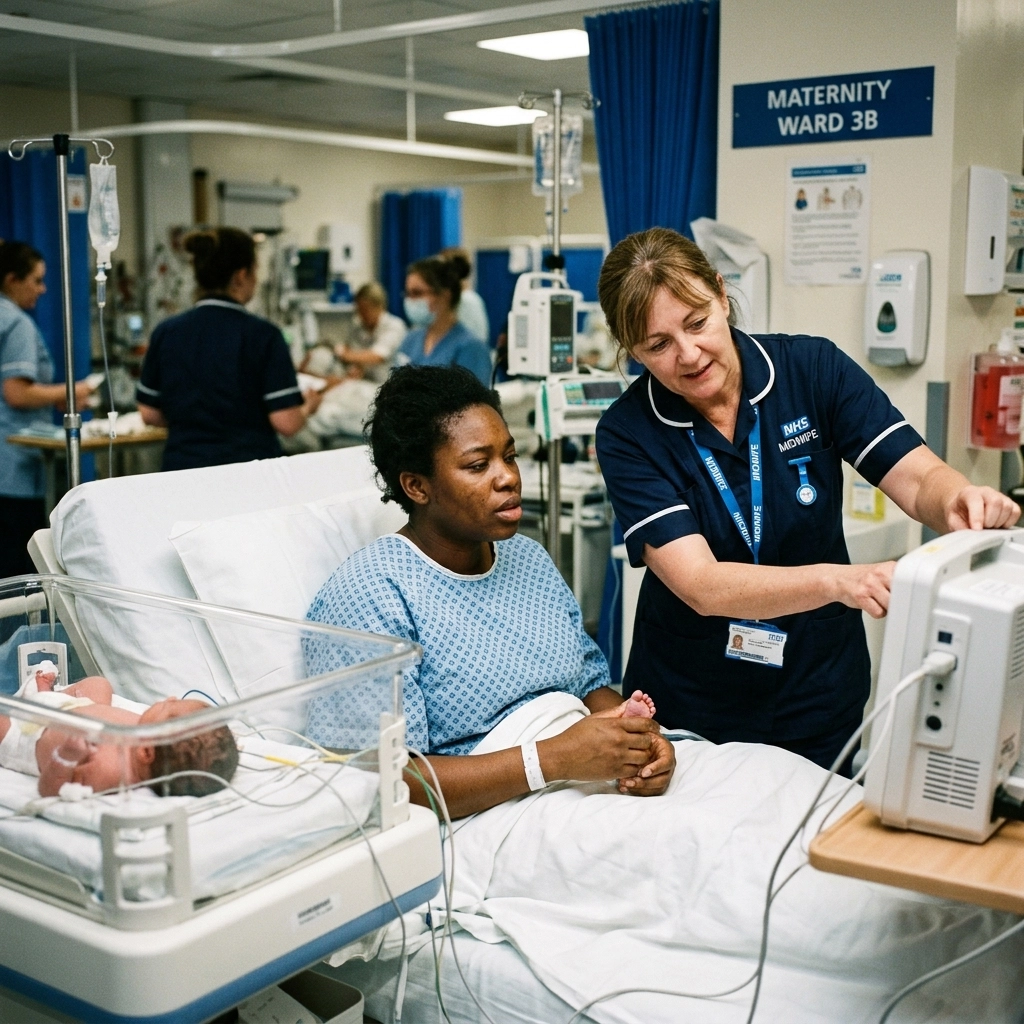
For a long time now, the conversation around NHS maternity services has been a bit of a rollercoaster. We all know the NHS is the backbone of our country, but when it comes to the very beginning of life, the stories haven't always been the happy ones we hope for. It is a topic that hits close to home for almost everyone. Whether you are a parent, a grandparent, or just someone who cares about the welfare of our community, the safety of mothers and babies is a top priority. Recently, there has been a fresh wave of energy in this area, spearheaded by Health Secretary Wes Streeting. He has made it clear that "good enough" is no longer the standard we should be aiming for.
In the world of independent news uk, we often find ourselves digging through reports and data, but behind every statistic is a person. There are thousands of untold stories involving families who have navigated the maternity system, some with joy and others with profound heartbreak. Streeting’s new maternity care taskforce isn't just another committee in a suit-filled room; it is being framed as a direct response to those stories and a serious attempt to fix a system that has, in too many instances, let people down. The goal is simple to say but complex to achieve: we need to make sure that every single person entering a maternity ward feels safe, heard, and cared for.
This push comes at a critical time. For years, various inquiries and reports have highlighted systemic failures in maternity units across the country. We have seen instances where warning signs were missed, where parents' concerns were dismissed, and where the culture of a ward prevented staff from speaking up about safety risks. It is a heavy burden for the NHS to carry, and the new taskforce is tasked with lightening that load by building a foundation of transparency and accountability.
Transforming the Safety Culture in Our Wards
The first major hurdle for the new taskforce is changing the actual culture within the NHS maternity units. It isn't just about having the right equipment or more beds: though those things certainly help. It is about how staff interact with each other and with the patients. Wes Streeting has been quite vocal about the fact that we need a shift away from a defensive culture. When things go wrong, the focus should be on learning and preventing it from happening again, rather than closing ranks.
A big part of this push involves the implementation of the "Saving Babies' Lives Care Bundle." This is a set of evidence-based practices designed to reduce stillbirths and neonatal brain injuries. It includes things like better monitoring of a baby’s growth during pregnancy and being more proactive when a mother notices her baby’s movements have slowed down. While these might seem like basic steps, ensuring they are applied consistently across every hospital in the UK is a massive undertaking. The taskforce is looking at why some trusts are excelling while others are struggling, aiming to eliminate the "postcode lottery" that currently dictates the quality of care a mother might receive.
Furthermore, the government has committed to a significant increase in the annual maternity budget. We are looking at figures in the hundreds of millions, specifically targeted at hiring more midwives and doctors. We all know that a stressed, overworked workforce is more likely to make mistakes. By bolstering the numbers on the frontline, the hope is that staff will have the time to provide the personalised care that makes such a difference. It’s about moving toward a model of "continuity of carer," where a woman sees the same small team of midwives throughout her pregnancy and birth. This builds trust, and when trust is high, safety usually follows.
Learning from the Past and the Thirlwall Inquiry
You cannot talk about the current state of NHS maternity care without mentioning the Thirlwall Inquiry. For those who haven't been following every update in the independent news uk space, this inquiry was set up to examine the events surrounding the case of Lucy Letby. While that case was an extreme and horrific outlier, the inquiry has opened a much broader conversation about hospital management, the way whistleblowers are treated, and the general oversight of neonatal units.
The taskforce is using the early findings and the general atmosphere of the Thirlwall Inquiry to inform their strategy. One of the most heartbreaking aspects of recent maternity scandals has been the "untold stories" of parents who knew something was wrong but were ignored by senior clinicians. The taskforce wants to ensure that "Martha's Rule": the right for patients and families to seek an urgent second opinion if they feel their concerns aren't being taken seriously: is fully integrated into maternity care.
This focus on accountability extends to the very top of hospital management. The push is for leaders to be more "on the floor," understanding the day-to-day pressures of the maternity wards. Streeting’s taskforce is essentially saying that the safety of babies isn't just the responsibility of the midwife in the room; it’s the responsibility of the Chief Executive in the boardroom. By linking the Thirlwall Inquiry’s focus on transparency with the taskforce’s focus on safety, the government is trying to create a safety net that is actually catch-all, rather than full of holes.
Bridging the Gap in Healthcare Inequalities
One of the most sobering parts of this new maternity push is the focus on addressing inequalities. It is a known, and frankly unacceptable, fact that Black and Asian women in the UK face significantly higher risks during pregnancy and childbirth compared to white women. The data shows that Black women are almost four times more likely to die during childbirth. This isn't just a clinical issue; it’s a societal one that involves bias, communication barriers, and socio-economic factors.
The taskforce has made it a priority to address these disparities head-on. This isn't just about "awareness"; it's about practical changes. For example, they are looking at how to better support women for whom English is a second language, ensuring that vital safety information isn't lost in translation. They are also looking at community hubs: moving care out of sterile hospital environments and into local centres where women might feel more comfortable and supported.
The aim is to create a maternity service that is truly equitable. This involves training for staff to recognise unconscious bias and ensuring that the "Better Births" vision: which promotes personalised care: is actually delivered to the women who need it most. We can't claim to have a world-class health service if the outcomes depend so heavily on the colour of your skin or the size of your bank account. By focusing on these inequalities, the taskforce is attempting to tell a new story, one where the "untold stories" of marginalized mothers are finally given the attention and the action they deserve.
As we look toward the future, the success of this maternity care taskforce will be measured in lives saved. It is a long road ahead, and there are no quick fixes for deep-seated cultural issues or chronic staffing shortages. However, the commitment to transparency, the link to major inquiries like Thirlwall, and the specific focus on inequalities suggest that this isn't just political lip service.
The NHS has always been a place of hope, and for expectant parents, it should be a place of absolute security. By listening to the families who have shared their experiences and by empowering the staff on the frontlines, this new push aims to ensure that the journey into parenthood is as safe as it possibly can be for everyone involved.
The integration of new safety tools, like the Maternity Early Warning Score (MEWS), and a renewed focus on mental health support for new mothers are all steps in the right direction. It remains to be seen how quickly these changes will be felt on the ground, but the conversation has certainly shifted. We are no longer just talking about the problems; we are actively building the solutions. Through the lens of independent news uk, we will continue to watch these developments closely, ensuring that the promises made to mothers and babies across the country are kept.