It has been five years since the world stood still in the wake of the Sarah Everard tragedy. Back in 2021, the conversation around policing, women’s safety, and the culture within our forces reached a boiling point. We were promised change. We were told that vetting would be tighter, that the "bad apples" would be rooted out, and that the "canteen culture" that shielded predators would be dismantled once and for all. Fast forward to April 2026, and a series of fresh Freedom of Information (FOI) requests has revealed a reality that is as sobering as it is frustrating. Despite half a decade of reviews, recommendations, and public outcries, dozens of police officers across the UK are currently under investigation for rape and other serious sexual offences.
For those of us following these developments through independent news uk, the numbers are more than just statistics; they represent a persistent failure in a system designed to protect the public. When we talk about these untold stories, we aren't just talking about individual cases of misconduct. We are talking about a systemic crisis that continues to haunt the hallways of police stations from London to Manchester. The data gathered through these FOIs shows that the problem wasn't limited to a few high-profile monsters like Wayne Couzens or David Carrick. Instead, the rot appears to have settled deep into the foundations of several regional forces, leaving many to wonder if the lessons of five years ago were ever truly learned.
The Shocking Reality of the FOI Findings
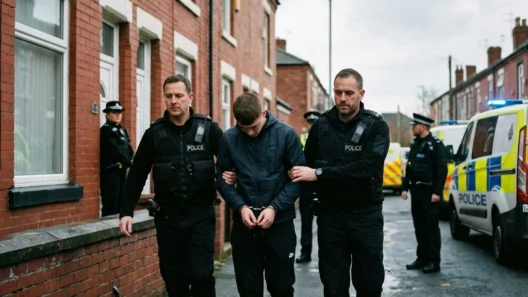
When we dig into the numbers released this year, the scale of the issue becomes clear. In response to recent FOI requests, it has come to light that dozens of serving officers have been investigated for rape in the last 24 months alone. These aren't historic allegations from decades ago; these are contemporary cases involving officers who were on the beat, in our communities, and in positions of immense power. What’s perhaps even more concerning is the length of time some of these investigations take. Many officers remain on restricted duties or suspended on full pay for years, while the victims are left in a state of legal and emotional limbo.
The data suggests that sexual misconduct remains the second most frequently reported type of police misconduct, trailing only behind the use of excessive force. For an institution that relies entirely on public consent, this is a catastrophic finding. It suggests that the power imbalance inherent in policing is still being exploited. In many of these cases, the victims were individuals who were already in vulnerable positions: people reporting crimes, victims of domestic abuse, or those encountered during late-night patrols. The common thread in many of these untold stories is the abuse of the warrant card, used as a tool of coercion rather than a symbol of safety.
Critics argue that the sheer volume of ongoing investigations proves that the vetting processes implemented post-2021 are either not being applied rigorously enough or are simply failing to catch the right red flags. While some forces have made strides in re-vetting their entire workforce, the FOI data reveals a patchy landscape. Some regional forces show a much higher density of investigations than others, suggesting that the "postcode lottery" of policing standards is still very much in play. It’s a situation that makes the work of independent news uk even more vital, as these local discrepancies often fly under the radar of national headlines.
A Systemic Failure in Vetting and Accountability
One of the most persistent issues highlighted by experts and activists over the last five years is what has been dubbed the "officer shuffle." This is the practice where an officer under a cloud of suspicion in one force is allowed to resign and join another, or simply move departments before a full disciplinary hearing can take place. While legislation was introduced to prevent officers from dodging misconduct hearings by resigning, the FOI data suggests that the spirit of the law is often circumvented. The culture of silence: the idea that you don't "grass" on a colleague: still holds a powerful grip on many stations.
The power differential between a police officer and a civilian is immense. When an officer is accused of a sexual offence, the barriers to justice for the victim are significantly higher than in civilian cases. There is the fear that the investigation will be biased, the fear that the officer’s colleagues will protect them, and the overwhelming dread that the victim won't be believed. Research indicates that victim disbelief is still a major hurdle within the internal investigation units of many forces. Even five years after the watershed moment of 2021, the "rape myths" that plague the wider justice system are often amplified within the police's own ranks.
Looking at the internal disciplinary records, it is clear that many of the officers currently under fire had prior "low-level" misconduct markers on their files. These included inappropriate comments, the sharing of offensive messages in private groups, or minor boundary crossings. In many of the untold stories we are now seeing, these early warning signs were dismissed as "banter" or "lad culture" rather than being seen as the predatory grooming behaviours they often are. The failure to act on these smaller infractions has, in many cases, paved the way for more serious criminal offences to occur.
Rebuilding Trust in an Era of Skepticism
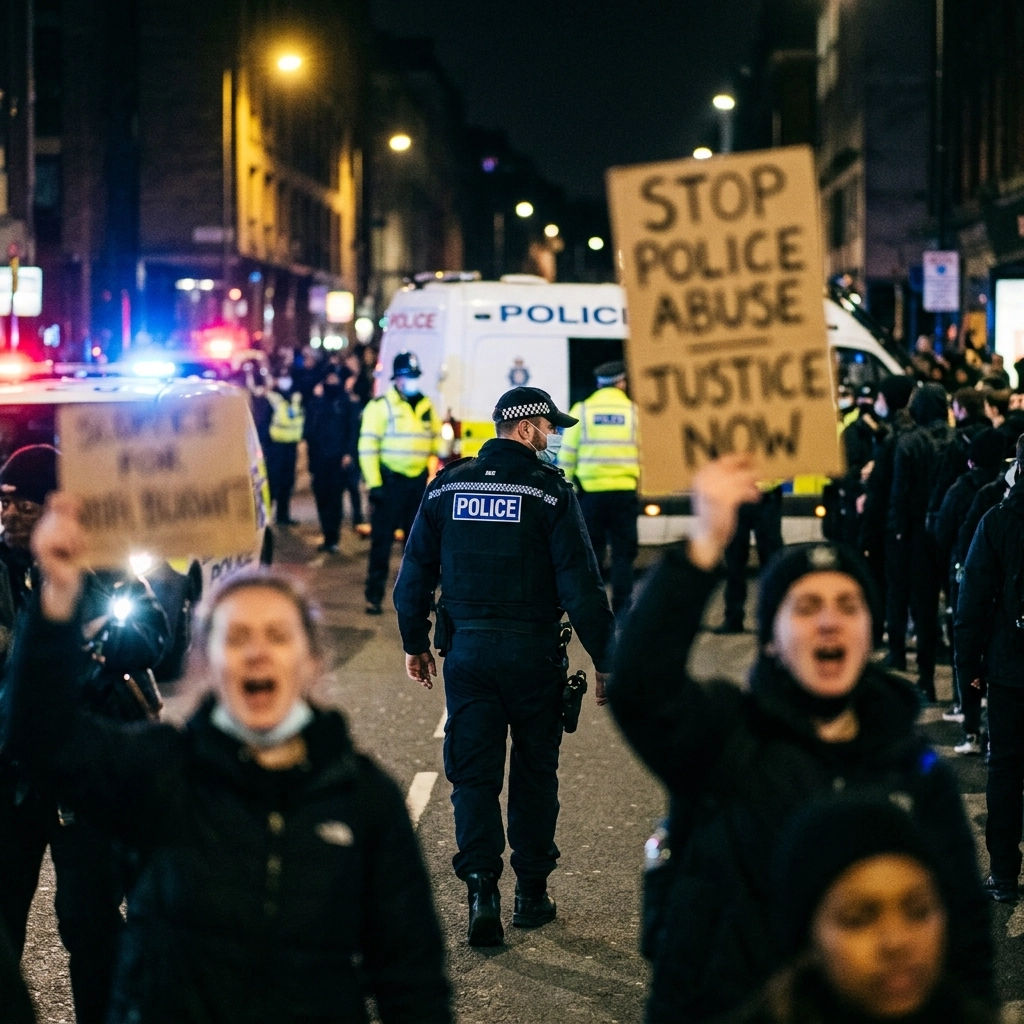
The impact of these ongoing investigations on public trust cannot be overstated. For many women and marginalized groups, the police car in the rear-view mirror or the knock on the door at night no longer brings a sense of relief, but a flash of anxiety. Trust is an easy thing to break and an incredibly difficult thing to rebuild, especially when the headlines keep delivering more of the same news. The "policing by consent" model that the UK is so proud of is currently on life support. If the public doesn't believe that the police can police themselves, the entire foundation of the justice system begins to crumble.
To turn the tide, there needs to be a radical shift in how sexual offences within the force are handled. There are growing calls for all sexual offence investigations involving police officers to be handled by entirely independent bodies from the very start, removing the "police investigating the police" element that causes so much public skepticism. Furthermore, the transparency of these investigations needs to improve. While privacy is important for any legal process, the public has a right to know if the people tasked with their safety have a history of predatory behaviour.
Providing independent news uk means highlighting these uncomfortable truths so they can’t be swept under the rug. The next five years need to look very different from the last five. It’s not enough to have "zero tolerance" as a slogan; it must be a lived reality within every police canteen. As we look at the dozens of officers currently under fire, it’s a reminder that the crisis hasn't passed: it has merely evolved. The untold stories of those who have been let down by the system serve as a powerful call for a standard of policing that actually lives up to its promise to protect and serve everyone, without exception.
The road to reform is long, and the data from these FOI requests shows we are still very much at the beginning. Until the day comes when a warrant card is viewed with universal trust again, the policing crisis will remain a central fixture of our social and political landscape. It is up to the leadership within the forces and the oversight bodies to ensure that the next time we mark an anniversary of the Sarah Everard case, we are talking about genuine, measurable progress rather than another list of officers under investigation. The public is watching, and their patience has long since run out.