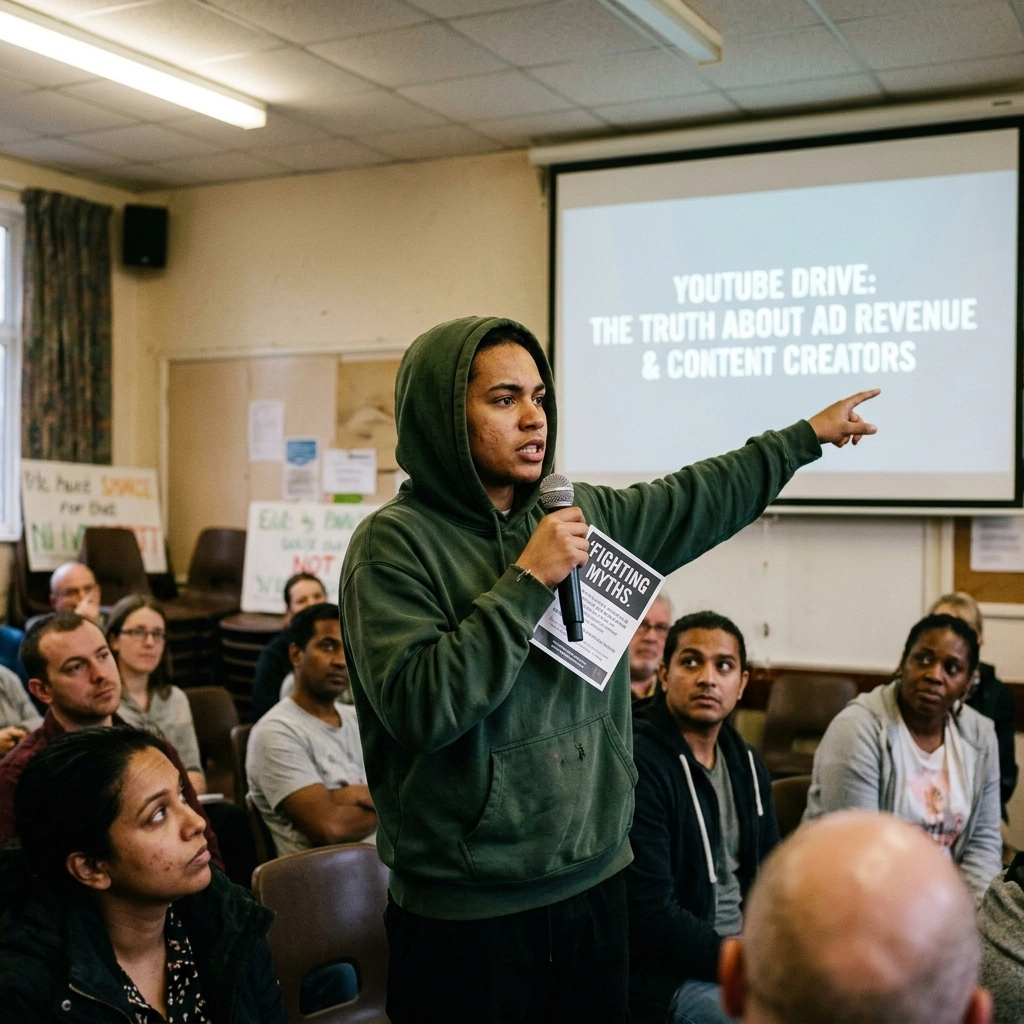
The digital landscape has changed quite a bit over the last few years. It isn’t just a place for cat videos and sourdough starters anymore; it is the front line for how we receive information, form opinions, and engage with the world. However, with that massive flow of content comes a darker side: the rapid spread of conspiracy theories and the rise of online harassment. Recently, there has been a significant shift in how authorities are looking to tackle these issues. Rather than relying on traditional press conferences or dry leaflets, a new drive is taking place right where the conversations are happening: on YouTube.
This move marks a bit of a departure from the usual way things are handled. It’s an acknowledgment that the old methods of communication aren’t always hitting the mark with younger audiences or those who have tuned out of mainstream broadcasts. By stepping into the world of video creators and algorithms, the goal is to fight myths with facts in a way that feels natural to the platform. This initiative is particularly focused on those 'untold stories' that often get twisted by bad actors online, aiming to provide a clearer, more grounded perspective before misinformation takes root.
Reaching the Audience Where They Live
The logic behind this YouTube-centric drive is simple: you have to go where the people are. For many, YouTube isn't just a website; it’s a primary search engine and a daily companion. When someone has a question about a complex political issue or a scientific development, they often turn to their favourite creator for an explanation. This creates a unique opportunity, but also a significant risk. If the only people talking about a topic are those pushing fringe theories, that becomes the default reality for the viewer.
The government’s latest strategy involves working within this ecosystem to ensure that factual information is just as accessible and engaging as the myths it seeks to replace. It isn't just about dumping data; it’s about understanding the language of the platform. This means using shorter formats, engaging visuals, and collaborating with voices that people already trust. In the world of independent news uk, there is a growing recognition that the delivery of a message is often just as important as the message itself. If a factual video is boring, nobody watches it. If a conspiracy video is high-energy and well-edited, it spreads like wildfire. The drive is about closing that engagement gap.
By focusing on YouTube, authorities are also trying to get ahead of the "rabbit hole" effect. We’ve all seen how the algorithm works: you watch one video, and the next recommendation is slightly more extreme, and before you know it, you’re looking at content that is far removed from reality. By injecting verified information into these recommendation chains, the hope is to provide an "off-ramp" for people who might be heading toward radicalisation or harassment-heavy communities. It’s a proactive approach to digital literacy that recognises the power of the platform’s own mechanics.
The Power of the Pre-bunking Method
One of the most interesting aspects of this new drive is the shift toward "pre-bunking" rather than just debunking. Traditionally, when a myth starts to spread, the response is to wait until it becomes a problem and then try to correct it. The trouble is that once a person believes something, it is incredibly hard to change their mind. Pre-bunking flips this on its head. It involves teaching people how to spot the common techniques used to spread misinformation before they even encounter the specific myth.
Think of it like a digital vaccine. By showing viewers how logic is often manipulated in conspiracy videos: such as the use of "scare quotes," cherry-picked data, or emotional manipulation: the audience becomes more resilient. When they eventually see a video claiming that a new technology is a secret weapon or that a public figure is part of a grand shadow plot, they are more likely to recognise the patterns of deception. This method is being rolled out through targeted ads and short-form content that breaks down these tropes in a casual, easy-to-digest way.
This strategy is also designed to address the rise in online harassment. Often, harassment campaigns are built on a foundation of lies or misrepresented 'untold stories'. By providing the full context of a situation early on, the drive aims to take the wind out of the sails of those looking to incite anger. It’s about building a more informed community that values evidence over outrage. For those of us working within independent news uk, this focus on the mechanics of truth-telling is a welcome change, as it empowers the audience to be their own first line of defence against nonsense.
Navigating the Future of Digital Information
As we look toward the future, the success of this YouTube drive will likely depend on how well it maintains its authenticity. There is always a risk that government-backed content can feel a bit "fellow kids": that awkward moment when an institution tries too hard to be trendy and ends up pushing people away. To avoid this, the drive seems to be leaning on partnerships with established creators who already have a rapport with their audience. These creators can take complex subjects and make them relatable without losing the seriousness of the topic.
However, this doesn't mean the path is without obstacles. The very algorithms that the drive is trying to navigate are constantly changing, and there is a persistent distrust of "official" narratives in certain corners of the internet. This is where the importance of transparency comes in. People are more likely to listen if they feel they are being spoken to honestly, rather than being lectured. The goal is to foster an environment where healthy scepticism is encouraged, but cynical denial of facts is challenged.
The fight against myths and harassment isn't something that can be won overnight. It’s a constant process of adaptation. By investing in the digital space and prioritising YouTube as a major communication hub, there is a clear intent to modernise the way truth is defended. Whether it’s tackling climate myths, health scares, or political misinformation, the focus remains on providing clarity in a noisy world. It’s a bold step into the digital fray, and one that acknowledges that in the modern age, the battle for hearts and minds is being fought one click at a time.
Ultimately, the initiative serves as a reminder that the internet is a shared space. While platforms have a responsibility to moderate harmful content, there is also a responsibility for institutions to provide better, more compelling alternatives to the darkness. By shining a light on the truth through engaging, well-produced content, the hope is to create a safer and more informed online experience for everyone. As the drive continues to evolve, it will be fascinating to see how it shapes the broader conversation around digital ethics and the role of information in our daily lives.
In a world where everyone has a megaphone, the loudest voices shouldn't be the only ones heard. By supporting the spread of verified facts and encouraging a culture of critical thinking, we can ensure that the digital world remains a place for connection and learning rather than division and fear. It’s about making sure that the stories that truly matter: the real, documented, and often complex stories: are the ones that find their way to the top of the feed. Moving forward, the balance between freedom of expression and the protection of truth will remain a delicate one, but active engagement on platforms like YouTube is a necessary part of that journey.