When we talk about the UK’s social care system, the conversation often gets bogged down in dry statistics and political back-and-forth. But behind the jargon of "resource allocation" and "eligibility frameworks" are the untold stories of real people. These are our neighbours, parents, and friends who are finding themselves caught in the gaps of a system that was designed to protect them but is increasingly leaving them behind. At NowPWR, we believe in providing independent news uk that looks past the surface-level headlines to see what is actually happening in our communities.
The reality on the ground is stark. For many people living with complex needs, the "safety net" has become more of a tightrope. Whether it is an elderly person waiting weeks for a basic assessment or a young adult with disabilities struggling to find a consistent carer, the cracks are widening. It isn't just about a lack of funding: though that is a massive part of it: it is about a system that has become so fragmented and stretched that it is losing its human touch.
This investigative look into the UK’s social care landscape reveals that the crisis isn’t a single event but a series of cascading failures. From the way we assess who "deserves" help to the way we treat the workforce responsible for providing it, every link in the chain is under immense pressure. By exploring these untold stories, we can begin to understand why the current model is failing and what the true cost of inaction looks like for the most vulnerable members of our society.
The invisible barriers to essential support
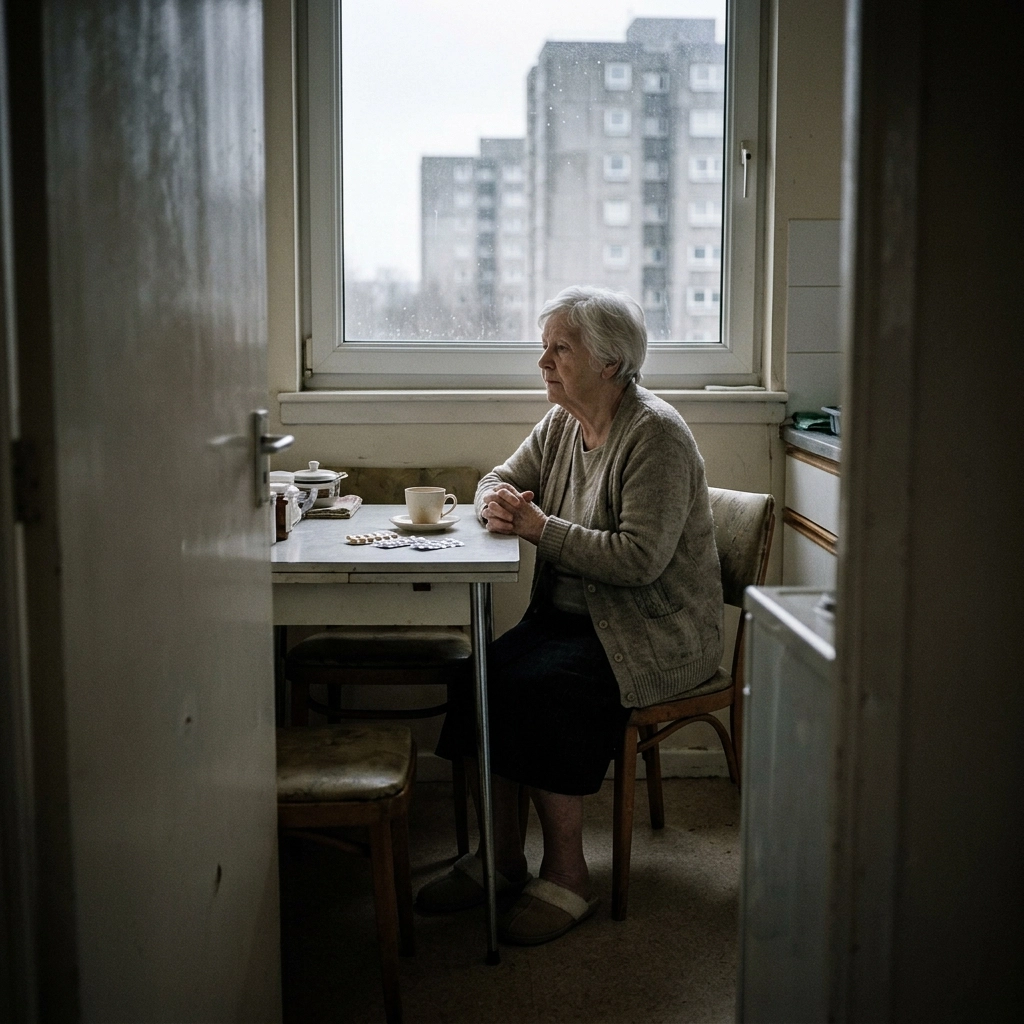
One of the most significant gaps in the current system is the rising threshold for eligibility. For years, local authorities have been forced to tighten their belts, leading to a situation where only those with "critical" or "substantial" needs receive any help at all. This means that hundreds of thousands of people with "moderate" needs are being told they don’t qualify for assistance. In practice, this looks like an older person who can no longer safely wash themselves or prepare a hot meal being left to fend for themselves until their situation inevitably deteriorates into a crisis.
Recent reports suggest that nearly 1.4 million older people in England are not getting the care they need. This isn't just a minor inconvenience; it is a fundamental loss of dignity. When care is rationed, it often manifests in the dreaded "15-minute visit." Imagine trying to help someone wake up, take their medication, eat breakfast, and use the bathroom in the time it takes to boil a kettle. It’s an impossible task for the carer and a dehumanising experience for the person receiving the care. These short visits have become the norm in many areas, prioritising speed and "throughput" over actual wellbeing and human connection.
The ripple effect of these gaps reaches far beyond the individual. When the social care system fails, the burden almost always falls on unpaid family carers. Often, this means women being forced to leave the workforce to care for elderly parents or children with complex needs, which in turn creates a secondary economic crisis for those families. Furthermore, the lack of adequate social care puts an unsustainable strain on the NHS. Hospitals find themselves unable to discharge patients because there is no care package available for them at home, leading to "bed blocking" and increased waiting times in A&E. It is a cycle of systemic failure where every part of the public sector ends up paying for the inadequacies of the social care budget.
When the safety net for children unravels
While much of the media focus remains on the elderly, another set of untold stories involves the crisis within the fostering system and children’s social services. The number of people stepping forward to foster has seen a significant decline over the last three years. This isn't because people have stopped caring; it's because the cost-of-living crisis has made it financially impossible for many potential foster parents to provide a home for a vulnerable child. When there aren't enough foster homes, the consequences are heartbreaking.
Siblings are increasingly being split up because there are no households with enough space to take them all. Vulnerable children are being moved hundreds of miles away from their schools, friends, and support networks simply because that is where the nearest available bed is located. This displacement adds another layer of trauma to children who are already facing some of the most difficult challenges imaginable. For those with complex emotional or physical needs, the lack of specialized foster placements often means they are placed in unregulated settings or residential homes that aren't equipped to provide the tailored support they require.
The staffing crisis that plagues adult social care is just as prevalent in children’s services. High turnover rates among social workers mean that children often have a rotating door of professionals managing their cases. This lack of continuity makes it nearly impossible to build the trust necessary for effective intervention. When a child has to tell their story over and over again to a new face every six months, they stop feeling like a person and start feeling like a file on a desk. This systemic instability is leaving a generation of vulnerable young people without the firm foundation they need to transition into a healthy adulthood.
The economic reality of a broken system
The financial framework of social care in the UK is essentially a "wealth tax" by another name, yet it is one that targets the most frail. The means test threshold: the point at which the state steps in to help with costs: has remained frozen at £23,250 for well over a decade. In that time, the cost of living and the cost of providing care have skyrocketed. This means that people are being forced to sell their homes and deplete their life savings to pay for basic support that, in many cases, is still inadequate. It’s a system that punishes those who have worked hard and saved, while still failing to provide a high standard of care.
Beyond the personal finances of individuals, the broader economic impact on marginalised groups is severe. People experiencing homelessness, migrants, and those in precarious housing often find themselves entirely locked out of the care system. During the height of recent health crises, these groups were the hardest hit because they lacked the "stable address" or the "digital literacy" required to navigate complex bureaucracy. Many migrants fear accessing services due to concerns over their status, even when they are legally entitled to help. This creates a hidden population of vulnerable people who are suffering in silence, away from the gaze of mainstream news.
The closure of almost 200 care homes in a single year highlights how precarious the private care market has become. Smaller, independent homes are being squeezed out by rising energy costs and the struggle to pay staff a competitive wage. When these homes close, it isn't just a business failing; it's a community being uprooted. Residents who may have lived in a home for years are forced to move, often with very little notice, which can lead to rapid declines in physical and mental health. The reliance on a profit-driven model for such an essential human service is a topic that requires more scrutiny than it currently receives in the national conversation.
Addressing the UK's care crisis requires more than just a quick injection of cash. It requires a fundamental rethink of how we value care as a society. We need to move away from a model of crisis management and towards one of prevention and dignity. This means lowering eligibility thresholds so people can get help before they hit rock bottom. It means paying care workers a wage that reflects the immense skill and emotional labour their jobs require. Most importantly, it means listening to the untold stories of those who are living through this crisis every day.
The gaps in our social care system are not inevitable. They are the result of policy choices made over decades. As we look toward the future, the question isn't whether we can afford to fix the system, but whether we can afford not to. A society is ultimately judged by how it treats its most vulnerable members, and currently, the UK has a significant amount of work to do to meet that standard. Keeping these issues in the public eye is the first step toward demanding the change that so many people desperately need.