When we talk about the complexities of modern warfare, it is easy to get lost in the jargon of drone technology, geopolitical posturing, and economic sanctions. But at the heart of the current tension in the Middle East is a reality so jarring that it often gets pushed to the sidelines. Here at NowPWR, as part of our commitment to independent news UK, we feel it is vital to bring you the untold stories that larger outlets might skim over. Right now, a deeply concerning situation is unfolding in Tehran, where the recruitment of child soldiers has shifted from a historical footnote to a present-day crisis.
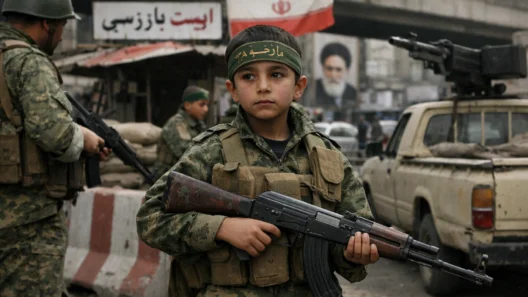
Since late March 2026, reports have been surfacing about a new campaign initiated by the Islamic Revolutionary Guard Corps (IRGC). This isn't just about bolstering the front lines with seasoned veterans; it’s a targeted effort to bring children as young as 12 into the fold of military service. The campaign, titled "Homeland Defending Combatants for Iran," is being rolled out across mosques and local community hubs, effectively turning places of worship into recruitment centres. For many families in the region, the sight of adolescents in oversized fatigues clutching rifles is becoming a hauntingly common occurrence.
The Mechanics of Recruiting the Vulnerable
The recruitment process isn't happening in the shadows. It is overt, systematic, and, quite frankly, heartbreaking. The 27th Mohammad Rasulullah Division of the IRGC has been at the forefront of this push, specifically targeting the Basij: a paramilitary volunteer militia. By setting the recruitment age at 12, the authorities are tapping into a demographic that is easily influenced and often lacks the maturity to understand the gravity of the "service" they are signing up for.
What makes this possible is a specific loophole within Iranian military law. Under Article 93, children under the age of 15 can be registered as "ordinary" Basij members. While the government might argue that these roles are merely supportive or educational, the reality on the ground tells a different story. These young boys are being seen at checkpoints, participating in patrols, and standing guard at military installations that are currently high-priority targets for international strikes.
In many cases, these children come from impoverished backgrounds. For a family struggling under the weight of economic sanctions and inflation, the promise of a small stipend or even just the "honour" of serving can be a powerful motivator. It’s a predatory tactic that exploits the most vulnerable members of society. By embedding these children into the military infrastructure, the state isn't just preparing for defence; it’s using its youth as a human buffer in a high-stakes game of chicken with international powers.
The Legal Threshold and Universal War Crimes
From a legal standpoint, the situation is relatively clear-cut, even if the enforcement is anything but. Under customary international humanitarian law: which applies to every nation regardless of which specific treaties they have signed: the recruitment of children under the age of 15 into armed forces is a war crime. This is a standard upheld by the International Criminal Court and various United Nations conventions.
When a state actively encourages 12-year-olds to take up arms, they are violating the fundamental Rights of the Child. Iran has signed the Convention on the Rights of the Child, which expressly prohibits the recruitment of those under 15. While there is an Optional Protocol that pushes that age limit to 18 for direct participation in hostilities, the basic 15-year-old threshold is a "red line" in the eyes of the global community.
International human rights organisations have been sounding the alarm for weeks. The consensus is that this isn't just a domestic policy issue; it's a grave violation of international law. By enlisting children, the IRGC is essentially making them "lawful targets" in the eyes of opposing military forces, even though they are legally incapable of consenting to such a risk. This puts the children in an impossible position where their very presence at a military site makes that site a more complex target for drone strikes or air raids, leading to ethical nightmares for those on the other side of the conflict.
A Legacy of Sacrifice and Modern-Day Casualties
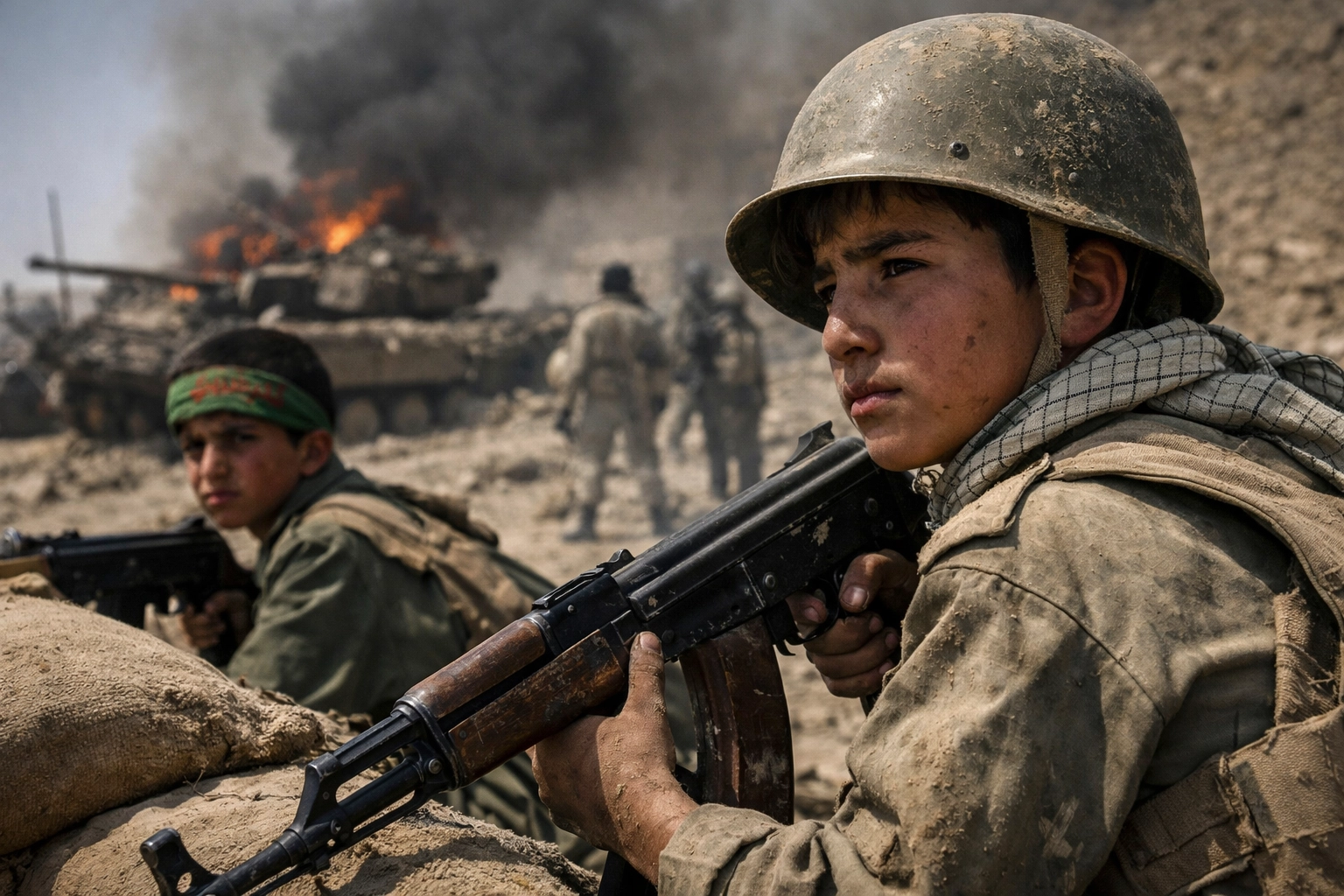
To understand why this is happening now, we have to look back at history. This isn't the first time Iran has used its youth as a primary resource in war. During the Iran-Iraq War in the 1980s, hundreds of thousands of children were sent to the front lines. Some were famously used as "human waves" to clear minefields, carrying plastic "keys to paradise" around their necks. It’s a grim legacy that many hoped had been left in the past, yet the current climate suggests that the same playbook is being dusted off.
The consequences of this policy are already being felt in the most tragic way possible. We’ve seen reports of children like Alireza Jafari, an 11-year-old boy who was killed while serving at a Basij checkpoint in Tehran. Authorities later confirmed his death, noting he was killed "while serving" during a period of increased drone activity. When an 11-year-old is listed as a casualty of war while on duty, the argument that these children are just "volunteers in a youth club" completely falls apart.
Currently, with the threat of strikes from various international actors looming over Iranian military facilities, the danger to these children is at an all-time high. Recent data suggests that hundreds of civilians, including women and children, have already been caught in the crossfire of recent escalations. Placing minors at military checkpoints or inside barracks isn't just a war crime because of the recruitment age; it’s a war crime because it knowingly places non-combatant-aged individuals in the direct path of lethal force.
As we continue to monitor these untold stories, the question remains: how will the international community respond? Sanctions are already at their limit, and diplomatic channels are strained. However, the documentation of these incidents is a crucial first step toward future accountability. At NowPWR, we believe that bringing light to these practices is essential for any hope of change. War is always devastating, but when the burden of combat is shifted onto the shoulders of 12-year-olds, it transcends standard conflict and enters the realm of a moral and legal catastrophe.
The situation in Tehran is a stark reminder that behind every headline about regional stability and military strategy, there are real people: often very young people: paying the ultimate price for decisions made by those in power. Protecting children from the horrors of war is a universal responsibility, and the current recruitment drive in Iran is a blatant rejection of that duty. We will continue to provide updates on this developing situation, ensuring that the voices of those being drafted into this cycle of violence are not forgotten.