When you think of organised crime in the UK, your mind probably jumps straight to the plot of a gritty London gangster film. You think of illicit substances, high-stakes heists, or perhaps something involving complex cybercrime. But there is a new player in the underworld, and it isn't something you’d expect. It’s smelly, it’s bulky, and it’s likely sitting in a pile at the end of a quiet country lane or stuffed into an abandoned warehouse. We are talking about waste.
In recent years, illegal waste disposal has been branded "the new narcotics" by environmental agencies and law enforcement alike. It has become a billion-pound industry for gangs who have realised that shifting rubble, old tyres, and hazardous chemicals is often more profitable: and far less risky: than dealing in traditional illegal markets. This is one of those untold stories of the UK’s modern criminal landscape, where the stakes are high, the profits are massive, and the damage to our environment is becoming irreversible.
The shift is simple: if you can make five thousand pounds from a single truckload of illegally dumped rubbish with a much lower chance of a long prison sentence, why would you bother with the heat that comes from more traditional criminal activities?
The Business Model of the Modern Waste Gang
To understand why gangs are moving into the rubbish business, you have to look at the numbers. The UK produces millions of tonnes of waste every year, and disposing of it legally is expensive. For businesses, there are landfill taxes, gate fees at processing plants, and strict regulations on how hazardous materials must be handled. These costs are designed to encourage recycling and protect the environment, but for a criminal mind, they represent a massive profit margin waiting to be exploited.
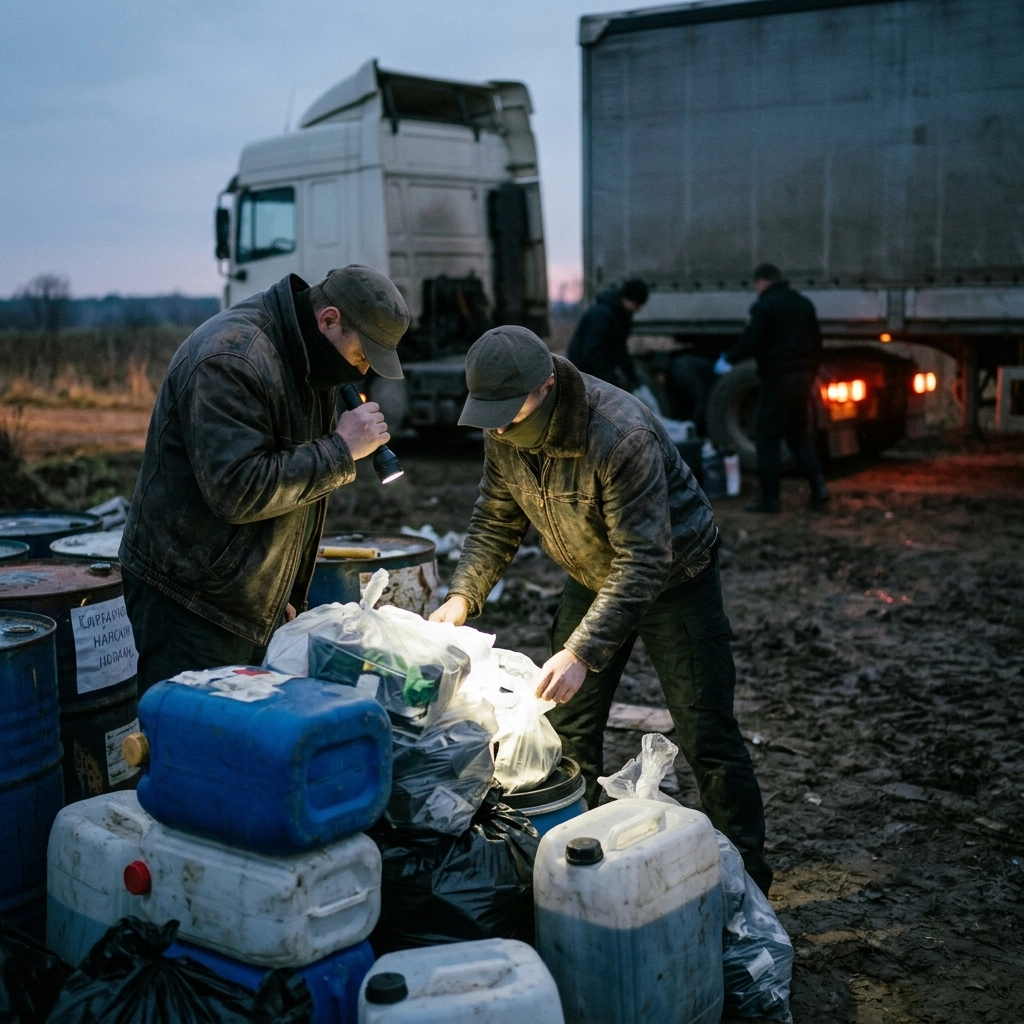
Organised crime groups (OCGs) operate with a level of sophistication that might surprise you. They don’t just dump a few bags in a hedge and drive off; they run entire logistics networks. A common tactic involves "rent-a-space" scams. A gang will use a front company: often a legitimate-looking waste management business: to rent a large warehouse or a piece of land. They then spend several weeks charging businesses a fee to take their waste, undercutting the prices of legitimate disposal firms.
Once the warehouse is packed to the rafters with thousands of tonnes of rubbish, the gang simply vanishes. The landowner is left with a massive bill to clear the site, which can often run into hundreds of thousands of pounds. This is essentially pure profit for the criminals, who have zero overheads and no intention of paying taxes or disposal fees. It is estimated that the public purse lost out on roughly £100 million due to landfill tax evasion in the 2022-23 period alone. For these gangs, the rubbish is literally as good as gold.
This isn’t just a local issue. Many of these groups are involved in international trafficking. They mislabel hazardous waste: like old electronics, chemicals, or medical supplies: as "second-hand goods" or "plastic scrap" and ship them across the globe to countries with weaker regulations. This "jurisdiction shopping" allows them to dump the UK’s problems on developing nations, all while pocketing the fees for "ethical disposal" that they never actually performed.
Why Rubbish is Lower Risk Than Conventional Drugs
The reason waste is being called the "new narcotics" isn't just about the money; it’s about the risk-to-reward ratio. In the world of illegal drugs, the penalties are severe, the police pressure is constant, and the internal violence between rival gangs is a daily hazard. In the world of waste crime, the "product" is everywhere, and until recently, the authorities were often playing catch-up.
For a long time, fly-tipping was seen as a minor nuisance: something for local councils to deal with. But on an industrial scale, it is a serious criminal enterprise. Local authorities in England dealt with a staggering 1.15 million fly-tipping incidents in 2023-24. While a single person dumping a sofa might get a fine, the organised groups behind the larger-scale operations are much harder to pin down. They use shell companies, fake identities, and sophisticated document fraud to hide their tracks.
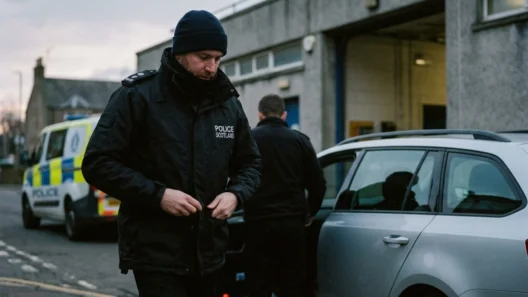
The National Crime Agency (NCA) has identified dozens of organised groups specifically linked to waste crime. These aren't amateurs; they are the same groups involved in human trafficking, money laundering, and violence. By moving into waste, they can launder their "dirty" money through what looks like a legitimate service industry. It’s much easier to explain why you own a fleet of trucks than why you have a warehouse full of banned substances.
Furthermore, the sentencing for waste-related crimes has traditionally been much lighter than for drug trafficking. If a gang member is caught illegally dumping, they might face a fine or a short suspended sentence. Compare that to the decades of prison time handed out for high-level drug distribution, and it’s easy to see why the underworld has developed a sudden interest in climate issues: or at least, the profit to be made from them.
The lack of traceability in the waste chain is another major draw. Once a truckload of mixed waste is dumped or buried, it is incredibly difficult for forensic teams to trace it back to the original producer or the person who transported it. This anonymity is exactly what criminal networks crave.
The Lasting Damage to Our Local Communities
While the criminals are counting their cash, the rest of us are left to deal with the fallout. The environmental impact of these "new narcotics" is devastating. When hazardous waste is dumped illegally, it doesn't just sit there; it leeches into the soil and the groundwater. Toxic chemicals can find their way into local streams and rivers, poisoning wildlife and potentially entering the human food chain.
In some cases, the waste is set on fire to save space or hide evidence. These "waste fires" can burn for days, releasing toxic fumes into the air and requiring huge resources from the fire service to bring under control. For those living near these sites, the impact on health and quality of life is immediate and severe.
There is also the economic cost to the taxpayer. When a gang dumps tonnes of waste on public land, it is the local council: and therefore the local residents: who foot the bill for the cleanup. Every pound spent clearing up after a criminal gang is a pound taken away from schools, social care, or road repairs. It is a parasitic relationship where the criminals drain public resources for private gain.
The rise of waste crime also hurts legitimate businesses. Honest waste management companies, who follow the rules and pay their taxes, simply cannot compete with the prices offered by criminals. This can drive law-abiding firms out of business, further consolidating the market in the hands of the gangs.
Addressing this issue requires a shift in how we view waste. It’s no longer just a matter of environmental policy; it’s a matter of national security and serious crime prevention. Strengthening regulations, increasing the penalties for industrial-scale dumping, and improving the traceability of waste from the point of production to the point of disposal are all essential steps. As an independent news uk outlet, we believe it is vital to shine a light on these untold stories that affect our countryside and our communities.
The era of seeing waste as "just a bit of rubbish" is over. For organised crime, it is a high-value commodity. For the public, it is a growing threat that requires a serious, co-ordinated response. Until the risks of waste crime outweigh the massive financial rewards, the "new narcotics" will continue to be a lucrative business for the UK's most dangerous gangs.
Understanding the depth of these criminal networks is the first step toward reclaiming our environment and ensuring that those who profit from our planet's destruction are held to account. It’s a complex problem, but it’s one we can’t afford to ignore any longer. At NowPWR, we remain committed to bringing you the facts on how these shifts in the criminal underworld impact your daily life and the world around us.