The release of over three million documents related to the Jeffrey Epstein investigation has sent shockwaves through the United Kingdom, revealing a web of connections that stretch from the highest echelons of the monarchy to the very heart of Westminster. For years, the public has been presented with fragments of the truth, but the sheer volume of data released by the U.S. Justice Department in early 2026 has finally begun to fill in the blanks. This isn’t just a revisit of old scandals; it is a live, unfolding investigation into how power was used, and allegedly abused, by some of the most influential figures in British public life.
In the world of independent news UK, we often talk about untold stories: those narratives that get buried under the weight of official denials and carefully managed PR campaigns. However, the details emerging from these files are becoming impossible to ignore. As the legal processes in both the United States and Britain gain momentum, the scrutiny on high-profile UK figures has shifted from tabloid speculation to serious criminal investigation and political accountability. The fallout is already reshaping the landscape of the British establishment, leaving many to wonder how these relationships remained hidden for so long.
The timeline of these revelations has been fast-paced. Since the start of the year, we have seen arrests, high-level sackings, and a fundamental shift in how the public perceives those in power. While the Epstein saga has always had an international reach, the British connection has proven to be particularly deep and, according to the latest disclosures, potentially damaging to the country's institutional integrity.
The Royal Connection and Recent Legal Actions
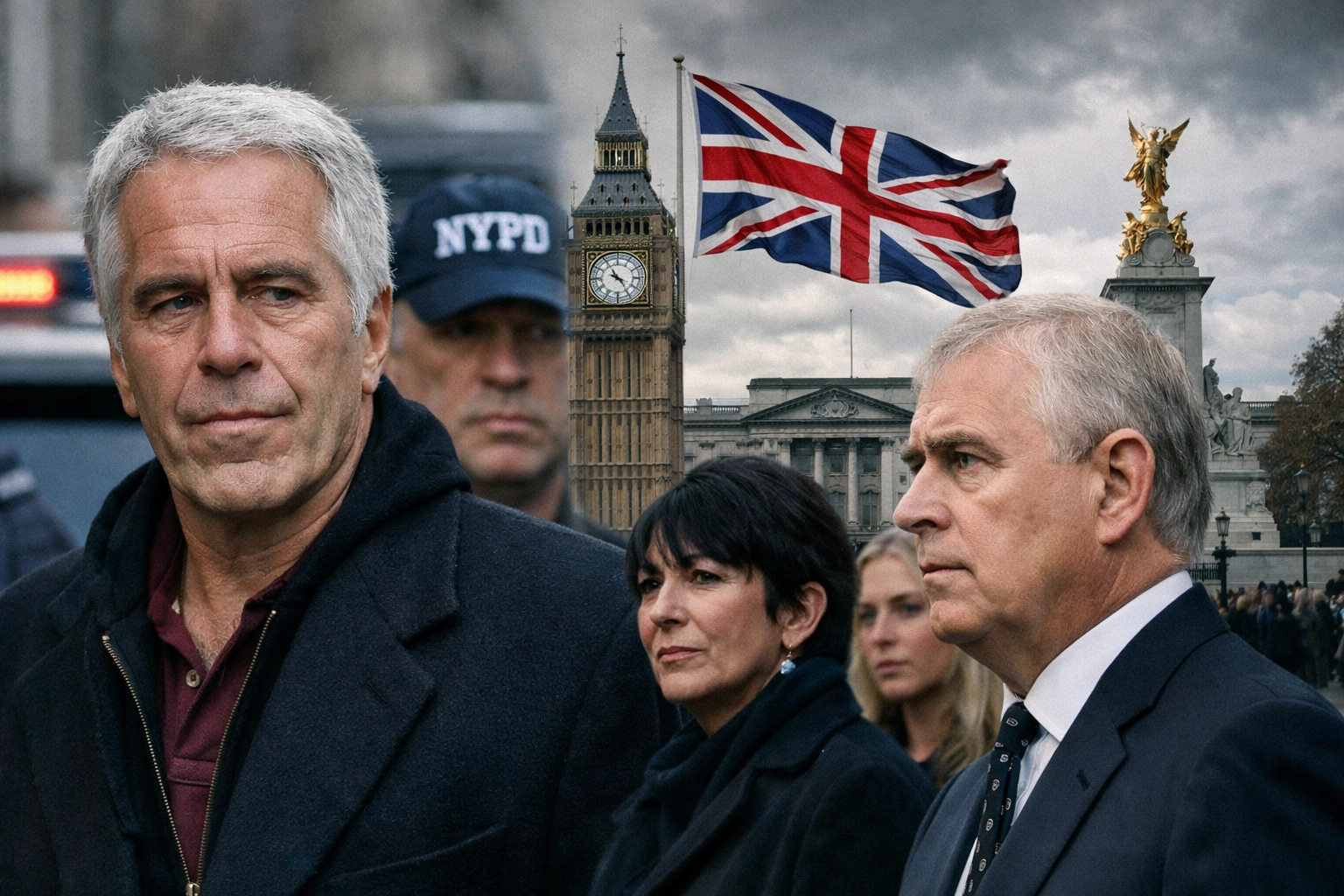
Perhaps the most significant development in this ongoing saga involves Andrew Mountbatten-Windsor, formerly known as Prince Andrew. While he has been a figure of interest in the Epstein case for years, the events of early 2026 have taken a much darker turn. In February 2026, the former Royal was arrested at his home in Norfolk on suspicion of misconduct in public office. This was not a move taken lightly by the authorities, and it followed months of mounting evidence found within the millions of pages of released documents.
The core of the current investigation focuses on his time as the UK’s special representative for international trade and investment between 2010 and 2011. The files suggest that during this period, he may have shared confidential information with Epstein. As a trade envoy, Andrew had access to sensitive commercial and political data that carried strict duties of confidentiality. Emails recovered from the archive indicate a level of communication that goes beyond social acquaintance, suggesting that Epstein may have had access to information that could have been used for personal or financial gain.
The arrest in February was the culmination of a steady decline in Andrew's standing. Following the release of Virginia Giuffre’s posthumous memoir in late 2025, his remaining royal titles were stripped, effectively severing his official ties to the monarchy. However, the legal ramifications are far more pressing than the loss of titles. Prime Minister Keir Starmer has publicly called for Andrew to cooperate fully, even suggesting he should testify before the U.S. Congress to clear the air. For the British public, seeing a member of the royal family: even one without active duties: facing such serious allegations is a watershed moment for accountability.
Furthermore, the files included previously unseen photographs. One image, which shows Andrew leaning over a woman whose face was redacted, has sparked fresh questions about his conduct during his visits to Epstein’s properties. While the legal process is still ongoing and Andrew remains under investigation, the narrative has shifted. It is no longer just about who he was friends with, but rather what he did with the power and information entrusted to him by the British state.
Westminster Disclosures and the Mandelson Files
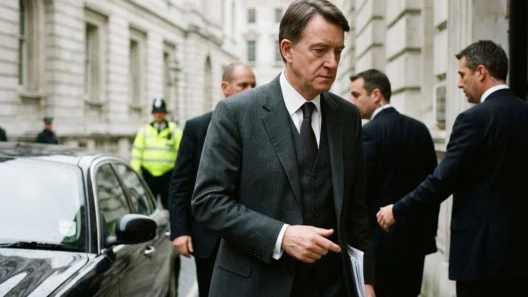
The royal family is not the only British institution under the microscope. The political world has been equally rocked by the disclosures surrounding Peter Mandelson, a titan of the Labour Party for decades. Mandelson’s career has been marked by his ability to navigate the corridors of power, but the latest Epstein files have brought his past actions back into a harsh, unforgiving light. After being appointed as the UK ambassador to Washington D.C. in early 2025, Mandelson was abruptly sacked in September of that same year as the contents of the files began to leak.
The allegations against Mandelson are particularly serious because they involve his time as Business Secretary under Prime Minister Gordon Brown from 2008 to 2010. This was a period of intense economic instability following the global financial crisis. The documents suggest that Mandelson may have leaked sensitive government reports to Epstein during this time. These reports reportedly detailed various ways the UK government was planning to raise funds and manage the economic fallout. If proven, this would represent a massive breach of trust and a potential criminal offence.
The files go even further, alleging that Mandelson offered to lobby officials to reduce taxes on bankers' bonuses and provided Epstein with advance notice of major political moves. This included tipping off Epstein about Gordon Brown’s planned resignation and internal EU discussions regarding the Greek debt crisis. The implications are staggering: it suggests that one of Britain’s most powerful politicians was providing a private individual with a "heads-up" on events that move markets and define national policy.
Prime Minister Keir Starmer has taken a hard line on the matter, apologising to Epstein’s victims and stating that Mandelson had "lied repeatedly" about the extent of his relationship with the financier. Starmer’s government has been forced into a defensive position, as opposition lawmakers and members of his own party demand to know how Mandelson was ever vetted for a high-profile diplomatic role in the first place. The "untold stories" of Westminster’s cozy relationship with wealthy, influential figures are finally being told, and the public is rightly demanding answers.
Transparency and the Future of British Accountability
The sheer scale of the Epstein files release means that we are likely only at the beginning of these disclosures. With over three million documents, investigators and independent journalists are working tirelessly to piece together the full extent of these high-profile UK ties. What has become clear is that the old ways of managing such scandals: through quiet resignations and "no comment" statements: are no longer effective in an age where the public demands total transparency.
The scrutiny on these figures serves as a reminder of why independent news in the UK is so vital. When traditional institutions are slow to act or are themselves entangled in the web of connections, it falls to independent voices to ensure that the facts remain in the spotlight. The Epstein files represent a massive failure of vetting and oversight within the British establishment. Whether it was the trade envoy role or the appointment of a Washington ambassador, the systems designed to protect the integrity of the state appear to have been bypassed or ignored.
As we move forward through 2026, the focus will likely remain on the legal proceedings. The arrest of a former royal and the potential prosecution of a former Cabinet minister mark a significant chapter in British legal history. These cases will test the principle that no one is above the law, regardless of their title or their political connections. The public interest in these "untold stories" is not just about celebrity gossip; it is about the fundamental health of our democracy and the assurance that those who hold power are held to account for how they use it.
The fallout from the Epstein files has proven that the truth eventually finds a way out. While the details are often uncomfortable and the implications reach into the very heart of the British state, the process of uncovering these ties is a necessary step toward transparency. The scrutiny will continue, and as more documents are analysed, the full picture of these high-profile relationships will finally be clear.
The current situation surrounding the Epstein files and the UK establishment remains one of the most significant news stories of the decade. The investigation into Prince Andrew’s conduct as a trade envoy and the allegations of information leaking by Peter Mandelson have fundamentally challenged the public's trust in institutional oversight. As the British legal system and the government navigate these turbulent waters, the demand for accountability only grows stronger. The release of these documents has opened a door that can no longer be closed, ensuring that the ties between power, influence, and the Epstein network are thoroughly examined under the cold light of public scrutiny. This ongoing process of disclosure and investigation is essential for ensuring that the lessons of the past are learned and that such a failure of governance does not happen again.