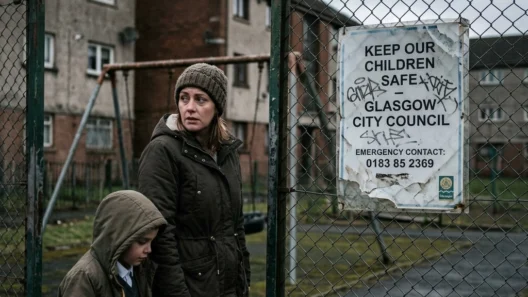
The term "County Lines" has become a staple of British news cycles, but behind the headlines lies a complex web of exploitation that targets the most vulnerable members of our society: our children. It is a crisis that transcends geography, affecting leafy suburbs and inner-city estates alike. As part of our commitment to bringing you independent news uk and the untold stories that shape our nation, we are diving deep into how these criminal networks operate and, more importantly, how a coordinated "sting" of safeguarding and law enforcement is working to pull kids back from the brink.
At its core, County Lines is a business model for organised crime. It involves gangs from large urban areas expanding their drug dealing operations into smaller towns and rural locations. They use dedicated mobile phone lines: the "lines": to take orders from customers. To keep the operation running while keeping the "kingpins" safe from prosecution, these gangs recruit young people to act as couriers. These children carry drugs and cash across the country, often staying in "cuckooed" houses: the homes of vulnerable adults that have been taken over by force or manipulation.
The reality of this exploitation is far from the "glamour" sometimes depicted in music videos or social media posts. It is a cycle of fear, violence, and debt bondage that traps children as young as ten or eleven. Understanding the mechanics of this crisis is the first step in dismantling it.
The Invisible Threads of Exploitation
The recruitment process for County Lines is often subtle and predatory. It rarely starts with an overt threat. Instead, it begins with "grooming." Gang members look for children who might feel isolated, those struggling at school, or those facing difficulties at home. They offer what the child seems to lack: a sense of belonging, protection, or quick cash. A teenager might be bought a new pair of trainers, a designer tracksuit, or simply given a bit of pocket money for running a seemingly "harmless" errand.
This is the honeymoon period. Once the child is hooked on the rewards, the dynamic shifts. The gang might stage a "robbery" where the child "loses" the drugs or cash they were carrying. Suddenly, that child is told they owe a debt: a debt that can only be paid off by doing more dangerous work. This is debt bondage, a classic tactic used to ensure compliance through fear. The child feels they cannot go to the police because they are now "involved" in criminal activity, and they cannot go to their parents because they don't want to get into trouble or put their family at risk.
These children aren't just couriers; they are victims of modern slavery. They are often sent hundreds of miles away from home, sleeping in squalid conditions, and facing the constant threat of violence from rival gangs or the very people they are working for. The psychological impact is profound. These kids are living in a state of constant hyper-vigilance, their childhoods stripped away by a system designed to treat them as disposable assets.
Spotting the Signs and Taking Action
For parents, teachers, and community members, the most frustrating part of the County Lines crisis is the feeling of helplessness. However, there is a massive effort underway across the UK to change the narrative. Law enforcement has shifted its focus. While arresting the ringleaders remains a priority, there is a growing recognition that the children caught in the middle need to be treated as victims first and foremost. This is where the real "sting" against organised crime happens: not just in the raids, but in the safeguarding measures that follow.
Recognising the signs of exploitation is crucial for any intervention. It isn’t always obvious, but there are red flags that often appear. A child might suddenly have multiple mobile phones or carry a "burner" phone. They might start wearing expensive clothes or jewellery that they couldn't afford. There might be a change in their circle of friends, or they may become increasingly secretive about where they are going and who they are with. Frequent truancy or going missing for days at a time are also major indicators that something is wrong.
As an independent news uk source, we see how community awareness is the strongest tool we have. When these signs are caught early, the "sting" involves a multi-agency response. This means the police, social services, and schools working together to wrap support around the child. Instead of just entering the criminal justice system, the child is offered a way out through mentoring, relocation, and psychological support. The goal is to break the cycle of debt and fear that the gangs rely on.
Recent operations have seen a surge in "National Intensification Weeks," where police forces across the country coordinate to shut down lines and rescue children. These operations have resulted in thousands of arrests and the safeguarding of hundreds of vulnerable individuals. By targeting the phone lines themselves: the "brain" of the operation: authorities are making it harder and more expensive for gangs to operate, while simultaneously providing a safety net for the kids they exploit.
Building a Safer Path Forward
The long-term solution to the County Lines crisis doesn't lie solely in police work; it lies in addressing the root causes that make children vulnerable in the first place. Poverty, a lack of youth services, and exclusions from school are all factors that gangs exploit. When a child is excluded from a mainstream school, they often end up in alternative provision, which, while necessary for some, can become a hunting ground for recruiters if not properly managed.
Investing in youth centres and community programmes is one of the most effective ways to push back. By providing young people with safe spaces and positive role models, we can offer them a different path: one that doesn't involve the risk and trauma of the drug trade. We need to listen to the untold stories of those who have escaped the life and use their experiences to inform how we protect the next generation. These survivors often speak of the need for persistent, non-judgmental support. They need to know that there is a way back, no matter how deep they think they are in.
The "sting" against County Lines is an ongoing battle. It requires constant vigilance and a refusal to see these children as "young criminals." When we shift our perspective and see them as children being exploited by sophisticated criminal networks, we change the way we respond. We move from punishment to protection.
Legislation is also evolving. The use of the Modern Slavery Act to prosecute gang leaders for the exploitation of children is a significant step forward. It allows the courts to recognise that the "consent" of a child to take part in criminal activity is irrelevant if they have been groomed or coerced. This legal framework is essential for ensuring that those at the top of the pyramid face the consequences of their actions, rather than just the children on the street.
As we look to the future, the focus must remain on the human cost. Behind every "line" shut down is a group of children who have been given a second chance. The crisis is real, and it is pervasive, but the coordinated effort to protect vulnerable kids is gaining momentum. By staying informed and looking out for one another, we can help dismantle these networks and ensure that every child has the opportunity to grow up safe from exploitation.
Addressing the County Lines crisis requires a sustained commitment from all levels of society. It is about more than just law enforcement; it is about social justice and the protection of childhood. By shining a light on these issues, we can ensure that these stories do not remain untold and that the fight to protect our youth continues with the urgency it deserves. The safety of our communities depends on our ability to look past the surface and protect those who are most at risk.