It is mid-April 2026, and the global eyes are fixed on a tiny, 21-mile-wide strip of water that essentially keeps the world’s heart beating. The Strait of Hormuz has always been a bit of a flashpoint, but lately, the temperature has reached a boiling point that even the most seasoned diplomats are struggling to handle. For those of us following independent news uk, the story isn't just about ships and oil; it is about a massive shift in how Britain relates to its oldest ally and its own economic survival.
The situation is, to put it mildly, incredibly tense. The United States, under President Trump’s renewed "America First" strategy, has initiated a blockade of Iranian ports following a breakdown in diplomatic talks. Iran has responded by effectively closing the Strait with a mixture of sea mines, drone swarms, and aggressive naval patrols. While the headlines focus on the threat of a full-scale war, there is a quieter, more complex dilemma unfolding in the corridors of Westminster. The UK government is currently walking a tightrope between supporting Washington and protecting British interests, and for once, the silence from our ministers is louder than any official statement.
The Strait is the world’s most important energy chokepoint. About a fifth of the world’s total oil consumption passes through here daily. If it stays shut, the ripple effects don't just stay in the Middle East; they land right on the kitchen tables of families across the UK. With energy prices already sensitive, any prolonged disruption is a nightmare scenario for the current Labour government. But joining a US-led blockade is a step that Prime Minister Keir Starmer seems deeply reluctant to take.
Navigation Through a Geopolitical Storm
The core of the issue lies in the definition of "freedom of navigation." For decades, the UK has been a staunch defender of the right for commercial vessels to pass through international waters without interference. However, the current US blockade isn't just about keeping the lanes open; it’s an offensive economic measure designed to bring Tehran to its knees. This is where the UK is drawing a very firm line.
Starmer has been clear that while the UK will always stand by its allies, it will not be "dragged into an Iranian war." This refusal to join the blockade has caused significant friction with the Trump administration. In Washington, the expectation is total alignment. In London, the priority is preventing an escalation that could lead to a catastrophic regional conflict. It’s a classic untold stories moment, the behind-the-scenes friction that defines the modern "Special Relationship."
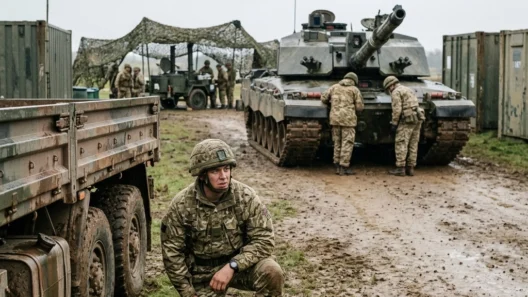
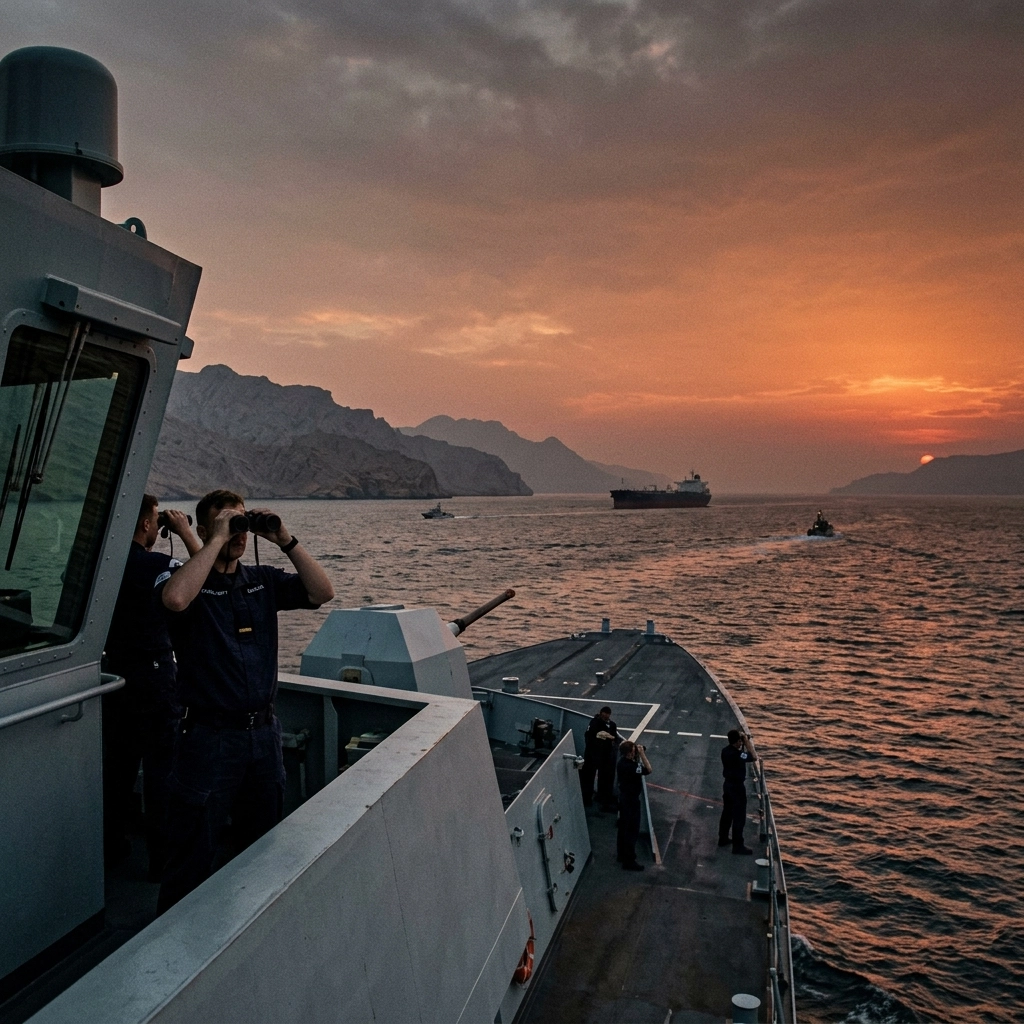
While the US wants a blockade, the UK is pushing for a multinational protection force. The goal isn't to stop ships from entering Iran, but to ensure that ships of all nations can pass through the Strait safely. To this end, the UK has deployed several Royal Navy minesweepers to the region. These vessels are small, but their mission is massive: clearing the waters of Iranian mines and providing a sense of security for commercial tankers. It’s a middle-ground approach that seeks to de-escalate rather than provoke, but it leaves the UK in a lonely position between two aggressive powers.
Silence and Strategy in Westminster
If you’ve been watching the televised briefings lately, you might have noticed a recurring theme: ministers avoiding the "B-word." During a recent session, Labour Minister Olivia Bailey was repeatedly pressed on whether the UK would eventually succumb to US pressure and support the blockade. Her response, or lack thereof, was a masterclass in political sidestepping. By refusing to give a straight "yes" or "no," she highlighted just how delicate this situation has become.
This "quiet dilemma" is the result of a government trying to maintain its independence while being part of a global alliance. For followers of independent news uk, this is a familiar pattern. The UK often finds itself trying to act as a bridge between the US and Europe, but with the current administration in Washington taking a more unilateral approach, that bridge is looking increasingly flimsy. The government knows that endorsing the blockade could lead to direct Iranian retaliation against British assets or even domestic targets, yet refusing to help the US could lead to diplomatic isolation and trade repercussions.
The silence from the front benches isn't just about being coy; it’s about buying time. The UK is currently leading a coalition of over 40 nations to find a "coordinated, independent, multinational" solution. They are trying to build a consensus that bypasses the aggressive stance of the US while still holding Iran accountable for closing the Strait. It’s a massive gamble. If it works, Starmer looks like a global statesman who prevented a war. If it fails, the UK could find itself sidelined while the world’s energy supply goes up in flames.
The Economic Ripple Effect at Home
While the military and diplomatic games play out thousands of miles away, the real impact of the Hormuz crisis is being felt at the petrol pumps and in the monthly utility bills of British citizens. This is where the untold stories of the crisis really hit home. We aren't just talking about abstract geopolitics; we’re talking about whether a small business in Birmingham can afford to keep its delivery vans on the road or if a pensioner in Glasgow can afford to turn on the heating.
The global oil market is incredibly sensitive to even the suggestion of a closure in the Strait. When Iran first deployed its drone swarms, prices spiked almost instantly. President Trump’s response was a blunt "drill, baby, drill" message to the North Sea, urging the UK to abandon its green energy commitments and focus on domestic production to offset the loss of Middle Eastern oil. But for the UK, it isn't that simple. Transitioning energy policy takes years, not weeks, and the immediate crisis requires a diplomatic solution, not just a drill bit.
The UK's strategy of deploying minesweepers rather than join the blockade is also a fiscal decision. A full-scale naval involvement in a blockade would cost billions: money the Treasury simply doesn't have in the current economic climate. By sticking to a "freedom of navigation" mandate, the UK can limit its military expenditure while still playing a vital role. However, this logic is hard to sell to an American administration that views anything less than full participation as a betrayal.
The pressure is mounting from all sides. Domestic critics argue that the government is being too passive and that we should stand shoulder-to-shoulder with our closest ally to end the Iranian threat once and for all. On the other side, anti-war groups and environmentalists warn that any involvement, even a protective one, is a slippery slope to another Middle Eastern conflict that the UK cannot afford.
The Strait of Hormuz remains the ultimate test of the UK's post-Brexit foreign policy. Are we a nation that follows Washington’s lead regardless of the cost, or are we an independent player capable of forging a third way? The coming weeks will be crucial. As the Royal Navy ships continue their dangerous work of clearing mines, the real battle will be fought in the meeting rooms of the UN and the secure lines between London and Washington. The UK’s quiet dilemma isn't going away, and for those of us looking for the real story behind the headlines, the silence of our leaders tells us everything we need to know about the gravity of the situation.
The current stance remains one of cautious mediation. The UK is co-hosting summits, deploying specialised naval assets, and trying to keep the global economy from stalling. Whether this "British way" of handling the crisis will be enough to satisfy a frustrated White House or a defiant Tehran remains to be seen. What is certain is that the outcome will define Britain's place on the world stage for years to come.