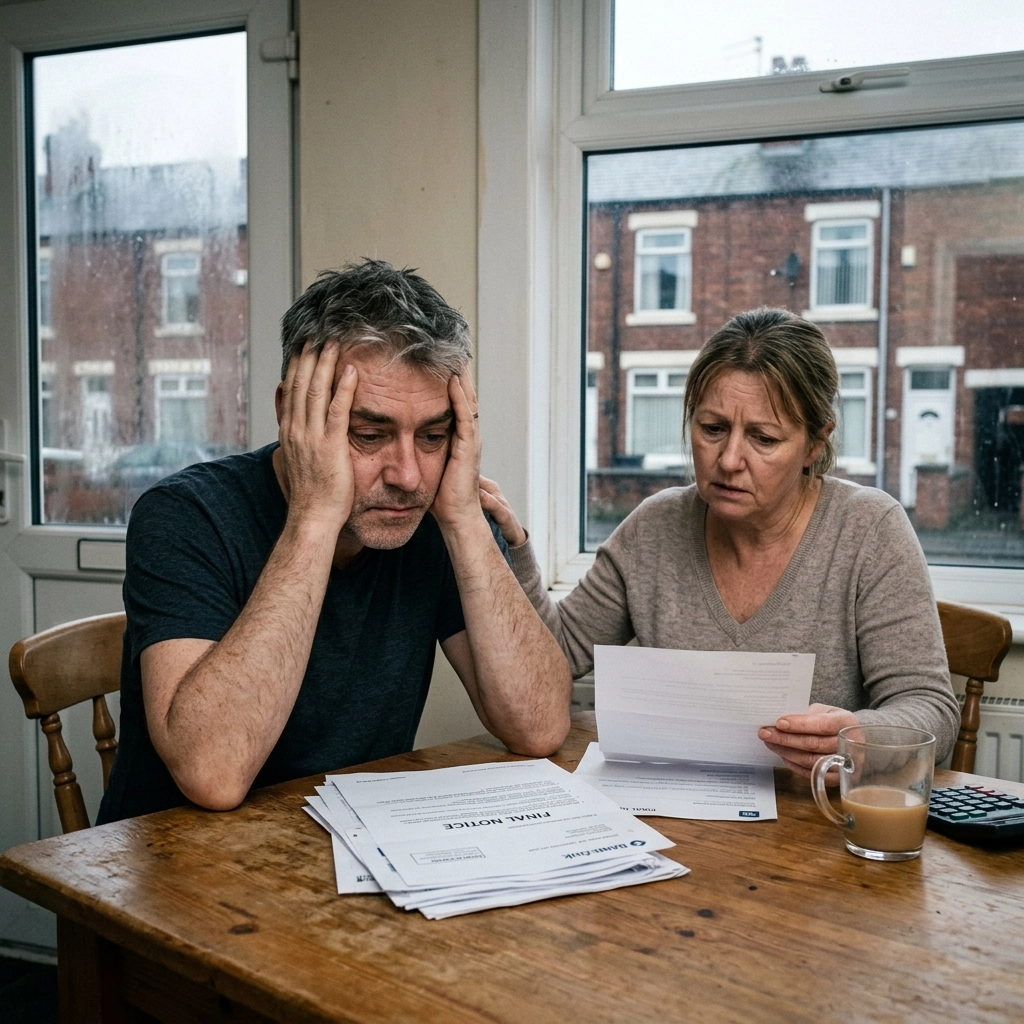
As we move through April 2026, the British housing market is facing a moment of significant turbulence. For many years, the idea of a "mortgage shock" felt like a distant warning or a headline designed to grab attention. However, for millions of households across the country, that shock has now arrived in a very real and tangible way. The landscape of homeownership in the UK is shifting, and the financial pressure is being felt from the suburbs of London to the coastal towns of the North.
The current situation is defined by a sharp rise in mortgage rates that has caught many off guard. While interest rate fluctuations are a standard part of the economic cycle, the speed and scale of the recent increases have created a unique set of challenges. This isn't just about numbers on a screen; it is about the monthly budgets of families, the dreams of first-time buyers, and the long-term stability of the rental market. At NowPWR, we believe in providing independent news UK residents can rely on to understand the forces shaping their lives, focusing on the untold stories that often get lost in the noise of high-level economic reporting.
The Reality of the Monthly Squeeze
The most immediate impact of the 2026 mortgage crisis is the dramatic increase in monthly repayments for those coming off fixed-rate deals. It is estimated that approximately 1.8 million households are facing a transition this year that will see their interest rates jump significantly. In many cases, homeowners are seeing a rise of around 109 basis points, a shift that mirrors the volatility seen during the mini-budget crisis of a few years ago.
For a family with a standard mortgage in the South East, where property prices remain high, this transition is anything but minor. A household with a £400,000 mortgage could see their monthly outgoings increase by as much as £333. Over a year, that adds up to nearly £4,000 in additional costs just to stay in the same home. This "mortgage tax" is effectively draining disposable income that would otherwise be spent in the local economy, creating a secondary ripple effect on retail and hospitality sectors.
What makes this situation particularly difficult is that it is happening alongside other rising costs. While inflation in some sectors has slowed, council tax, home insurance, and service charges have continued to climb. For those living in flats, particularly in urban centres, the combination of higher mortgage rates and skyrocketing service charges has become a dual burden. In some parts of London, these combined costs have led to real-term losses for owners, making the prospect of selling or upgrading feel like an impossible task. This financial pressure is one of the many untold stories of the current crisis, as middle-income earners find themselves squeezed in a way they haven't experienced in decades.
Why the Housing Market is Stagnating
The wider housing market is showing clear signs of the strain caused by these financial shifts. One of the most telling indicators is the performance of the new-build sector. Historically, new homes have been a driver of market activity, but sales have recently slumped to their lowest levels since the global financial crisis of 2008. In some regions, developers are reporting sales of just 0.3 homes per week per outlet. This is a significant drop from the long-term average and suggests a deep-seated caution among potential buyers.
This stagnation isn't just limited to new builds. The secondary market is also seeing a slowdown as the "wait and see" approach becomes the dominant strategy for both buyers and sellers. Sellers are finding that their properties are staying on the market for much longer: often upwards of 48 days in areas like Plymouth and Bournemouth. To secure a sale, many are having to accept price cuts of 12% or more, which can be a bitter pill to swallow for those who bought at the peak of the market.
Interestingly, while the price-to-earnings ratio has technically improved, making homes appear "more affordable" on paper, the reality on the ground is different. With mortgage rates where they are, the actual cost of borrowing remains the primary barrier. For many young professionals already dealing with the complexities of student loans and the debt trap, the prospect of taking on a massive mortgage at current rates is simply not feasible. This has led to a collapse in demand from first-time buyers, who were once the engine of the property ladder. Without that bottom rung of the ladder being active, the entire system begins to clog up, leaving those further up the chain unable to move.
Navigating the New Economic Landscape
As we look deeper into the mortgage crisis, another significant factor is the exodus of landlords from the buy-to-let market. A combination of higher borrowing costs, stricter regulations, and changing tax laws has led many smaller landlords to conclude that the numbers no longer add up. It is estimated that around 100,000 rental properties have been removed from the market as landlords choose to sell up rather than pass on massive rent increases to tenants.
This withdrawal of rental stock is creating a secondary crisis in the rental sector. With fewer homes available, competition among renters is becoming incredibly fierce, driving up rents even as the quality of available housing sometimes stagnates. It’s a difficult cycle where the lack of affordable mortgages for buyers keeps people in the rental market for longer, while the shrinking supply of rental homes makes it harder for them to save for a deposit. This is where the untold stories of the UK's housing crisis become most poignant: the generation stuck between a mortgage they can't afford and a rental market that is disappearing.
Looking ahead, the role of independent news UK outlets is to track how these systemic issues are managed by policymakers. The Bank of England finds itself in a challenging position, balancing the need to control inflation with the very real risk of pushing the housing market into a deeper recession. There is a growing conversation about whether the deregulation of mortgage lending in previous decades created an artificial bubble that is now finally bursting. Historically, the price-to-income ratio sat at around 4.5; today, it is closer to 9 in many parts of the country. Correcting this imbalance is a painful process, and the "mortgage shock" of 2026 is a primary symptom of that correction.
The current mortgage crisis in the UK represents a fundamental shift in the economics of homeownership. The combination of rising interest rates, stagnant demand, and a shrinking rental market has created a challenging environment for millions. While the headlines often focus on national statistics, the real impact is found in the everyday financial decisions of households trying to navigate this new reality. As the market continues to adjust, the importance of clear, independent reporting on these untold stories remains vital for understanding the true health of the nation's housing.